India's healthcare system faces a persistent challenge: how to deliver quality medical care to over 1.4 billion people when doctors, specialists, and medical infrastructure remain concentrated in urban areas. Artificial intelligence is emerging as a powerful solution, placing clinical protocols and diagnostic capabilities directly into the hands of healthcare workers at the grassroots level.
The Healthcare Access Gap
India has approximately one doctor for every 1,400 people, far below the World Health Organization's recommended ratio. Rural areas bear the brunt of this shortage, with nearly 70 percent of the population living in villages but only 30 percent of healthcare infrastructure located there. This imbalance means that millions of Indians struggle to access even basic medical consultations, let alone specialized care.
Frontline health workers like Accredited Social Health Activists (ASHAs) and Auxiliary Nurse Midwives (ANMs) serve as the primary point of contact for healthcare in remote areas. These workers often manage complex medical situations with limited training and without immediate access to doctors or medical references.
AI as a Clinical Assistant
Mobile-based AI applications are now equipping these frontline workers with instant access to clinical protocols, diagnostic guidelines, and decision-support systems. These tools function like a knowledgeable medical consultant in one's pocket, helping health workers make informed decisions about patient care, referrals, and treatment.
The technology works through simple smartphone interfaces that guide users through symptom assessment, suggest possible diagnoses based on clinical algorithms, and recommend appropriate next steps. Some applications incorporate image recognition to help identify skin conditions, assess wound severity, or detect signs of diseases like diabetic retinopathy through photographs.
Real-World Applications
Several AI-driven healthcare initiatives are already making impacts across India. Maternal and child health programs use AI chatbots to provide prenatal guidance, vaccination schedules, and nutritional advice in multiple regional languages. These systems can identify high-risk pregnancies and ensure timely referrals to medical facilities.
For chronic disease management, AI applications help monitor conditions like diabetes and hypertension by analyzing patient-reported data and alerting both patients and healthcare workers when intervention is needed. This continuous monitoring helps prevent complications and reduces the burden on hospitals.
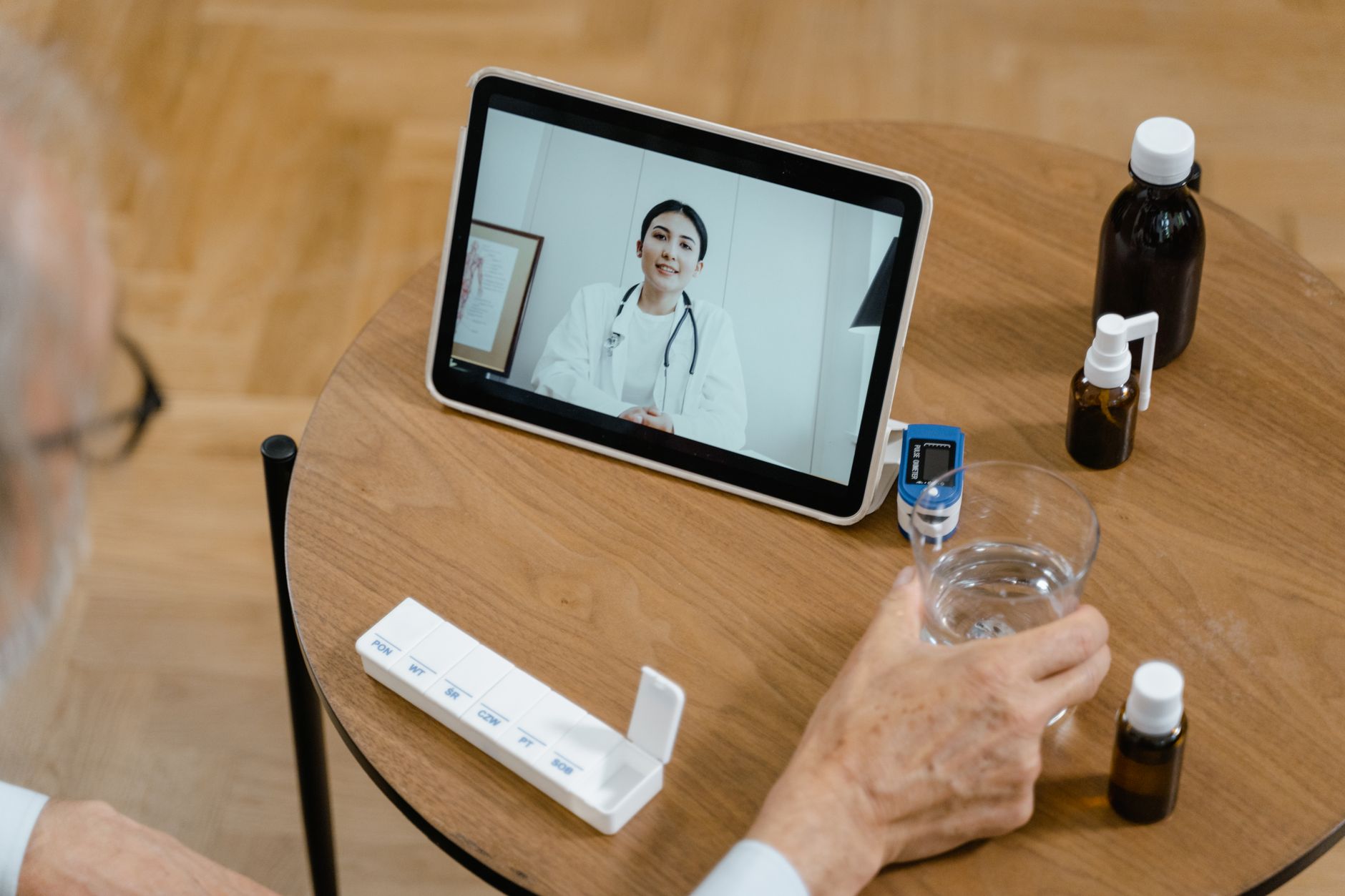
Telemedicine platforms enhanced with AI triage systems assess patient symptoms and connect them with appropriate specialists, reducing unnecessary consultations while ensuring urgent cases receive immediate attention. During the COVID-19 pandemic, such systems proved invaluable for remote screening and monitoring.
Language and Literacy Solutions
A significant advantage of AI healthcare tools is their ability to overcome language and literacy barriers. Voice-based interfaces and visual guides allow patients and health workers with limited education to access medical information effectively. Applications can converse in Hindi, Tamil, Bengali, Telugu, and numerous other Indian languages, making healthcare guidance truly accessible.
Challenges and Considerations
Despite the promise, implementing AI healthcare solutions in India faces obstacles. Reliable internet connectivity remains patchy in rural areas, though offline-capable applications are addressing this limitation. Data privacy concerns require robust safeguards, especially when dealing with sensitive health information.
The accuracy and cultural appropriateness of AI recommendations need continuous validation. Medical AI must be trained on diverse Indian populations to account for genetic variations, dietary patterns, and disease prevalence that differ from Western datasets.
There's also the critical question of human oversight. AI should augment rather than replace human judgment, especially in complex medical situations. Healthcare workers need training to use these tools effectively and understand their limitations.
The Path Forward
The integration of AI into India's healthcare frontline represents a pragmatic approach to expanding medical access without waiting for traditional infrastructure to catch up. By democratizing medical knowledge and bringing protocols to every pocket, these technologies can help bridge the healthcare divide.
Success will depend on continued collaboration between technology developers, medical professionals, policymakers, and community health workers. As AI systems learn from Indian healthcare contexts and become more sophisticated, they hold the potential to not just support frontline workers but also empower patients to take charge of their own health.
This article provides general information about AI applications in healthcare and should not be considered medical advice. Always consult qualified healthcare professionals for diagnosis and treatment of medical conditions.