India stands at a demographic crossroads. With life expectancy rising and birth rates declining, the nation is experiencing a significant demographic transition. By 2050, experts project that nearly 20 percent of India's population will be aged 60 or above, compared to just 10 percent today. This shift presents profound challenges for a healthcare system already stretched thin, making the case for bringing medical care closer to where elderly patients live.
The Growing Silver Wave
The aging of India's population is happening faster than in many Western nations. While countries like France took over a century to see their elderly population double from 7 to 14 percent, India is expected to undergo this transition in just three decades. This rapid change leaves little time for healthcare infrastructure to adapt.
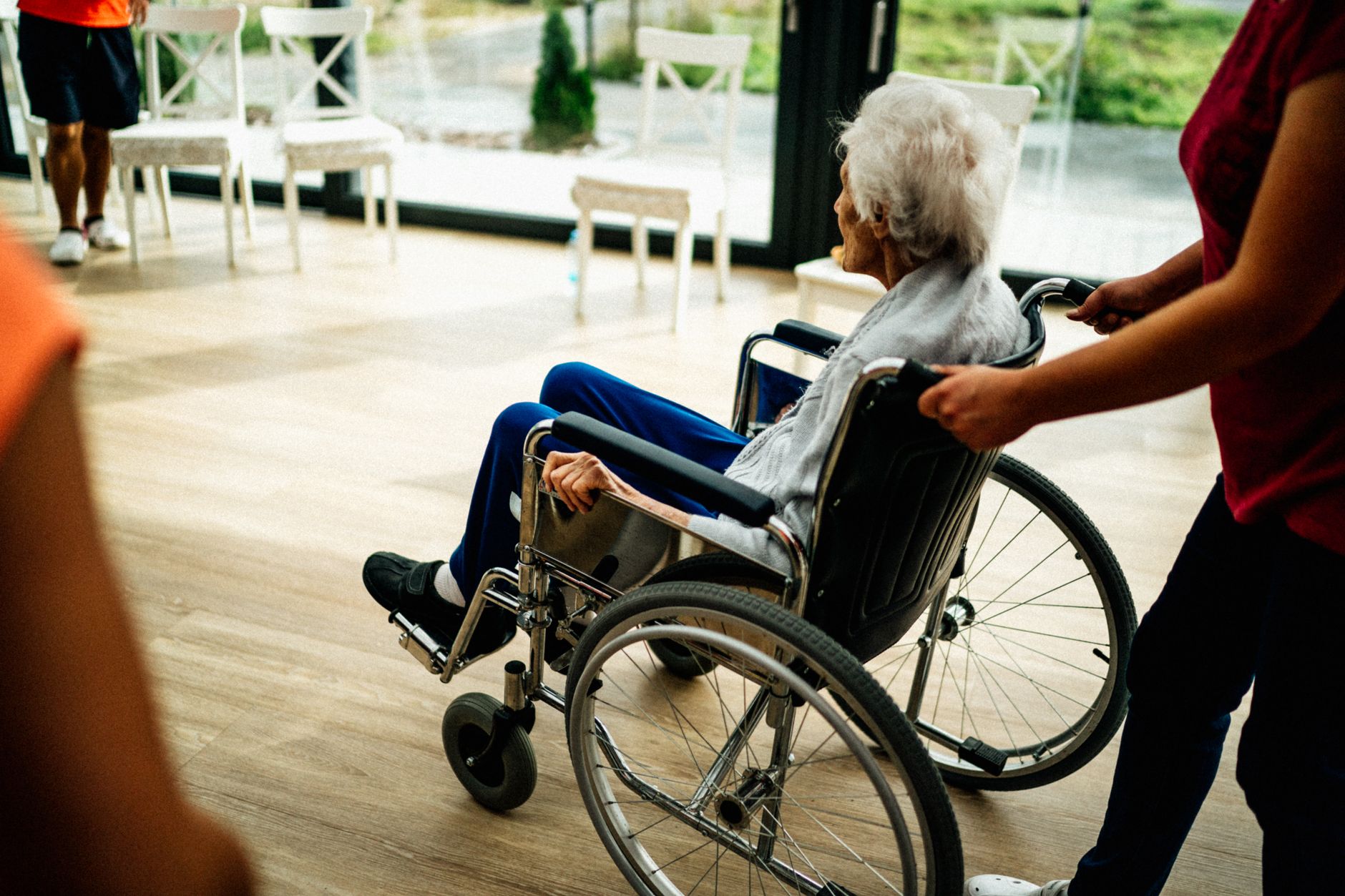
Currently, elderly Indians face multiple barriers to accessing healthcare. Long travel distances to hospitals, mobility challenges, lack of specialized geriatric care facilities, and the high cost of institutional care create a perfect storm of inaccessibility. Many elderly patients delay treatment or skip follow-up appointments simply because reaching a healthcare facility is too burdensome.
Why Home-Based Care Makes Sense
Home-based healthcare offers several compelling advantages for aging populations:
- Familiar environment aids recovery and mental well-being
- Reduced risk of hospital-acquired infections
- Lower overall healthcare costs compared to institutional care
- Easier medication compliance and routine monitoring
- Dignity and independence for elderly patients
- Relief for overcrowded hospitals and clinics
For chronic conditions like diabetes, hypertension, and arthritis that affect millions of elderly Indians, regular monitoring and medication management can often be handled effectively at home. This frees up hospital resources for acute cases requiring intensive intervention.
The Community Health Model
Primary healthcare centers and community health workers can play a transformative role in elderly care. Village health workers, trained nurses, and paramedical staff can conduct regular home visits for basic health checks, medication distribution, and early detection of complications.
Several pilot programs across India have demonstrated success with community-based elderly care. These programs typically include health camps in neighborhoods, doorstep diagnostic services, telemedicine consultations, and training for family caregivers. States like Kerala, with its higher proportion of elderly citizens, have pioneered such initiatives that other regions can emulate.
Technology as an Enabler
Digital health platforms and telemedicine can bridge the gap between elderly patients and healthcare providers. Video consultations eliminate travel needs for routine follow-ups. Wearable devices can monitor vital signs and alert healthcare providers to concerning changes. Mobile apps can remind patients about medications and appointments.
However, technology adoption among the elderly faces hurdles. Low digital literacy, language barriers, and resistance to change require that technological solutions be designed with simplicity and accessibility in mind. Voice-based interfaces in regional languages and minimal-step processes can improve uptake.
Training Caregivers
Most elderly care in India happens informally through family members. Recognizing this reality, healthcare systems must invest in caregiver training programs. Teaching family members basic nursing skills, recognizing warning signs, managing medications, and preventing falls can significantly improve outcomes.
Professional home healthcare workers also need specialized training in geriatric care. Understanding the physical, mental, and emotional needs of elderly patients requires skills beyond general nursing. Certification programs and career pathways in geriatric home care can create employment while addressing the care deficit.
Policy and Infrastructure Needs
Realizing the vision of accessible home-based elderly care requires policy reforms and infrastructure investment. Health insurance schemes must expand coverage for home healthcare services. Public health budgets need dedicated allocations for geriatric care programs. Regulations should govern and standardize home healthcare services to ensure quality.
Urban planning must also adapt. Age-friendly neighborhoods with accessible clinics, pharmacies, and diagnostic centers within walking distance should become standard. Transportation services for medical appointments can help those unable to arrange their own travel.
The Path Forward
India's aging transition is inevitable, but a healthcare crisis is not. By decentralizing care delivery, leveraging technology thoughtfully, training adequate human resources, and implementing supportive policies, the country can build a system where quality healthcare reaches elderly citizens at their doorsteps. This shift benefits not just the elderly but society at large by creating a more efficient, compassionate, and sustainable healthcare ecosystem.
The time to act is now, while the demographic window still allows for preparation rather than panic.
This article is for general informational purposes only and does not constitute medical advice. Readers should consult qualified healthcare professionals for medical decisions and treatment plans.