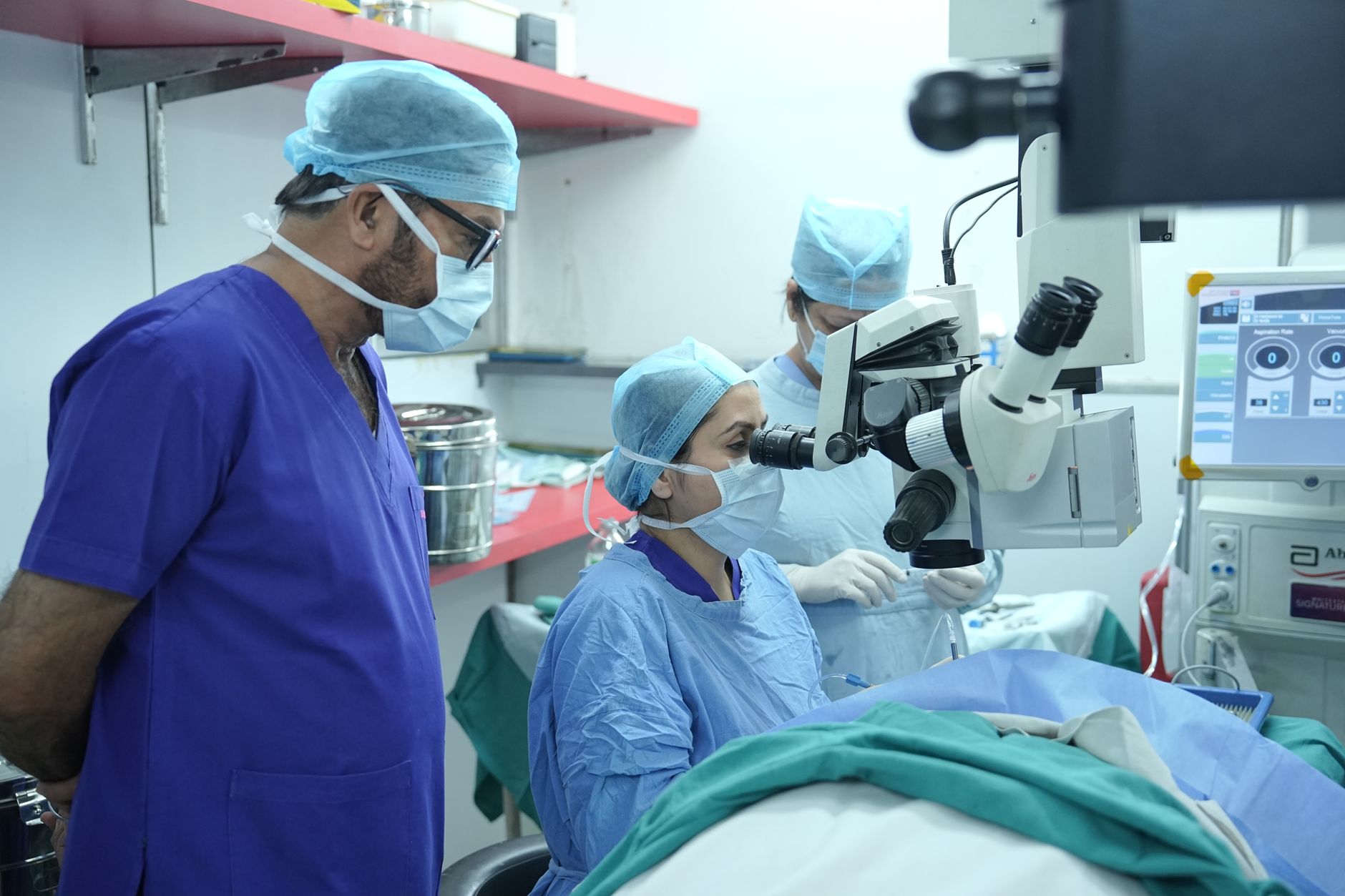
India's healthcare sector has witnessed remarkable growth in medical tourism over the past two decades, with an estimated 2 million international patients arriving annually for treatment. While cost savings remain significant, the reasons foreigners increasingly prefer Indian healthcare extend far beyond budget considerations.
The Cost Advantage Remains Real
The financial benefit cannot be ignored entirely. Complex procedures like cardiac bypass surgery, joint replacements, and organ transplants cost a fraction of Western prices. A heart valve replacement that might cost $150,000 in the United States can be performed in India for approximately $10,000, including hospital stay and post-operative care. Even after factoring in travel expenses, patients save 60-80% on major procedures.
However, reducing India's appeal to cost alone overlooks the sophisticated healthcare ecosystem that has developed across major cities.
World-Class Infrastructure and Accreditation
Indian hospitals have invested heavily in infrastructure, technology, and international accreditation. Over 50 hospitals have received Joint Commission International (JCI) accreditation, the gold standard in global healthcare quality. These facilities feature equipment and technology comparable to the best Western institutions, including advanced robotic surgery systems, precision radiation therapy, and cutting-edge diagnostic capabilities.
Major hospital chains have purpose-built facilities rivaling their international counterparts in cleanliness, patient comfort, and technological sophistication. The Apollo, Fortis, Max, and Manipal hospital networks maintain international protocols and standards that reassure foreign patients about quality and safety.
Minimal Wait Times
One compelling advantage India offers is immediate access to care. In countries with public healthcare systems like the United Kingdom and Canada, non-emergency procedures can involve wait times extending months or even years. Hip replacements, cataract surgeries, and certain cancer treatments often face lengthy queues.
Indian private hospitals typically schedule elective procedures within days or weeks of initial consultation. For patients dealing with chronic pain or progressive conditions, this swift access to treatment significantly impacts quality of life and health outcomes.
Highly Qualified Medical Professionals
India produces approximately 70,000 medical graduates annually from over 500 medical colleges. Many senior doctors have trained or worked in Western countries before returning home, bringing international expertise and protocols. Indian doctors are recognized globally, with thousands practicing in the NHS, American hospitals, and healthcare systems worldwide.
The doctor-to-patient ratio in private hospitals allows for more personalized attention than is common in overextended Western healthcare systems. Consultations tend to be longer and more thorough, with senior specialists directly involved in patient care rather than delegating to junior staff.
Integration of Alternative and Holistic Medicine
India uniquely offers integration of modern medicine with traditional systems like Ayurveda, yoga therapy, and naturopathy. Many international patients seek this combination, particularly for chronic conditions, post-operative recovery, and wellness programs.
Facilities offering integrated medicine provide comprehensive healing approaches that address physical, mental, and spiritual wellbeing. This holistic perspective appeals to patients seeking more than just surgical intervention or pharmaceutical management.
Specialized Centers of Excellence
India has developed specialized centers focusing on specific conditions or procedures. Chennai has become a hub for cardiac care, Mumbai for oncology and organ transplants, Bangalore for neurosurgery, and Delhi-NCR for orthopedics. These centers handle high volumes of complex cases, translating to significant expertise and superior outcomes.
The volume advantage cannot be understated. Surgeons performing hundreds of a specific procedure annually develop exceptional skill and efficiency, often surpassing Western counterparts who may perform the same operation less frequently.
Cultural Hospitality and Patient Experience
Indian healthcare combines medical excellence with cultural hospitality. Hospitals employ international patient coordinators, offer language translation services, and accommodate dietary and religious requirements. The emphasis on family involvement in care resonates with patients from cultures valuing collective support systems.
Many hospitals provide accommodation for family members and create comfortable environments for extended stays, recognizing that healing involves more than clinical intervention.
Growing Medical Tourism Infrastructure
The ecosystem supporting medical tourists has matured considerably. Visa facilitation, airport pickup services, recovery hotels, and tourism packages allow patients to combine treatment with travel experiences. Government initiatives have streamlined medical visa processes, making India increasingly accessible.
India's appeal as a medical destination reflects a convergence of factors: affordability combined with quality, accessibility paired with expertise, and technology integrated with compassionate care. For many international patients, Indian healthcare represents not a compromise but an informed choice offering advantages unavailable in their home countries.
This article provides general information about healthcare tourism trends and should not replace professional medical advice. Individuals considering medical treatment abroad should thoroughly research facilities, verify credentials, and consult with qualified healthcare providers before making decisions.