Cancer remains one of India's leading health challenges, with late-stage detection often limiting treatment options and survival rates. A groundbreaking development in cancer screening has arrived as Dr Dangs Lab announces the introduction of Guardant Health's innovative multi-cancer detection blood test to the Indian market, potentially transforming how cancers are diagnosed in the country.
Understanding Multi-Cancer Detection Technology
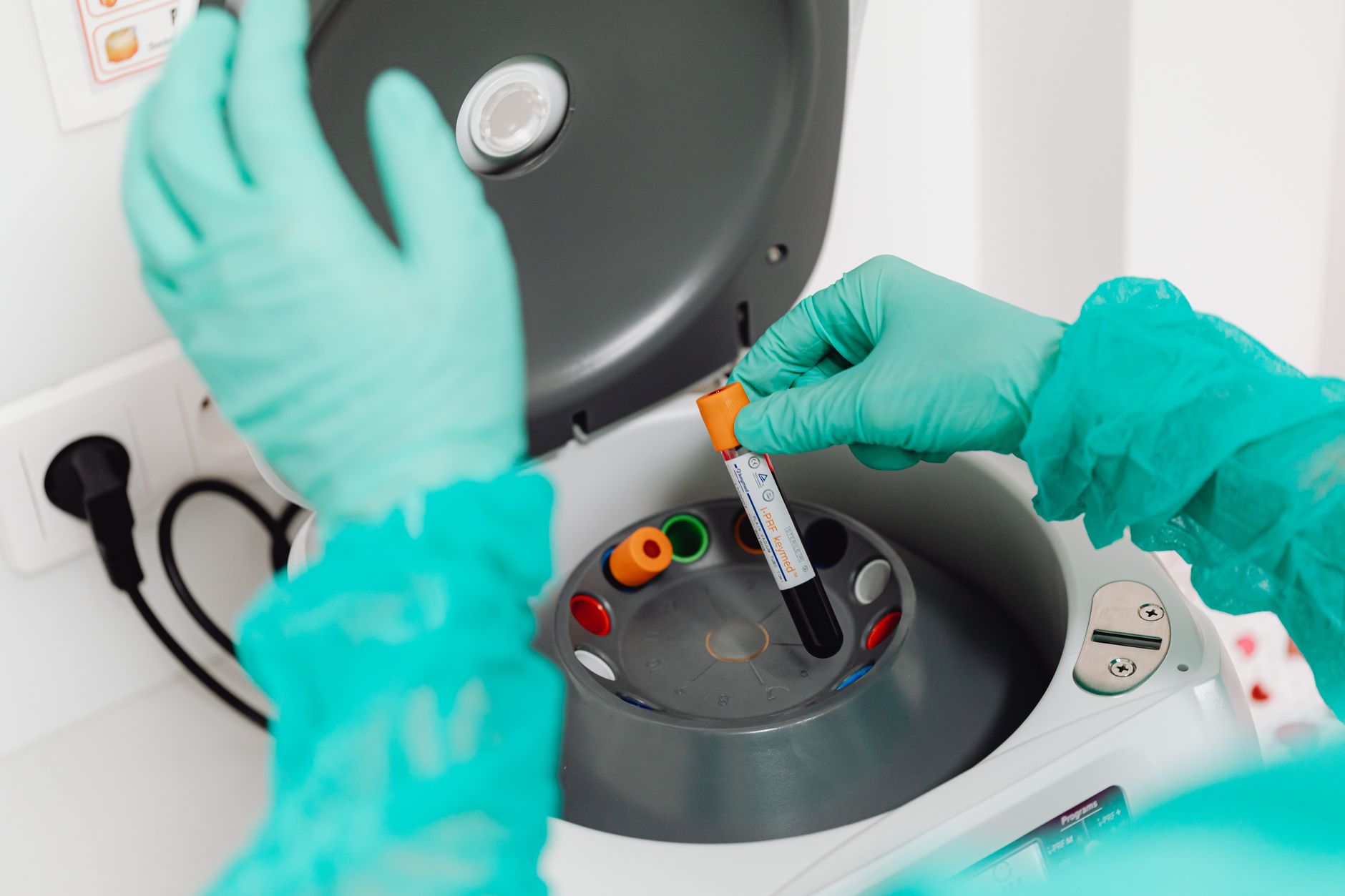
Traditional cancer screening methods typically focus on one cancer type at a time, such as mammograms for breast cancer or colonoscopies for colorectal cancer. The new blood-based test represents a paradigm shift by screening for multiple cancer types simultaneously through a simple blood draw.
This technology works by detecting circulating tumor DNA (ctDNA) in the bloodstream. When cancer cells grow and die, they release fragments of their DNA into the blood. Advanced genomic sequencing techniques can identify these fragments and determine whether cancer is present, and in many cases, pinpoint the tissue of origin.
Advantages Over Conventional Screening
The blood-based approach offers several compelling benefits for patients and healthcare providers:
- Non-invasive procedure requiring only a routine blood sample
- Simultaneous screening for multiple cancer types in a single test
- Potential for earlier detection before symptoms appear
- Reduced need for multiple separate screening procedures
- Accessibility for patients who may avoid invasive screening methods
- Can complement existing screening protocols
Early detection remains the cornerstone of successful cancer treatment. When cancers are identified at early stages, treatment options expand significantly and survival rates improve dramatically. This technology could be particularly valuable in detecting cancers that currently lack effective screening methods.
The Indian Context
India faces a substantial cancer burden, with approximately 1.4 million new cancer cases diagnosed annually. Common cancers include breast, cervical, oral, lung, and colorectal cancers. However, many patients present at advanced stages due to limited awareness, inadequate screening infrastructure, and reluctance toward invasive diagnostic procedures.
The introduction of this technology through established laboratory networks like Dr Dangs Lab could help address several challenges:
The accessibility factor is crucial. Dr Dangs Lab operates multiple centers across India, making the test potentially available to urban and semi-urban populations. This widespread network could facilitate broader adoption of multi-cancer screening.
Cultural and psychological barriers often prevent people from undergoing invasive screening procedures. A simple blood test may encourage more individuals to participate in preventive health screening, particularly those hesitant about procedures like endoscopies or biopsies.
Clinical Applications and Limitations
Healthcare providers may recommend multi-cancer detection tests for various purposes. These include screening asymptomatic individuals at higher risk, investigating patients with concerning symptoms, monitoring treatment response in diagnosed cancer patients, and surveillance for cancer recurrence.
However, patients should understand that these tests have limitations. No screening test is 100% accurate, and false positives or false negatives can occur. A positive result requires confirmatory diagnostic testing through conventional methods like imaging or tissue biopsy. Additionally, the test may not detect all cancer types or very early-stage cancers.
Cost and Accessibility Considerations
While pricing details may vary, advanced genomic tests typically carry significant costs. Insurance coverage and affordability will be important factors determining how widely this technology benefits Indian patients. Healthcare providers and laboratories may need to work toward making such screening accessible to diverse socioeconomic groups over time.
The Future of Cancer Screening
This development represents part of a broader trend toward liquid biopsy technologies in oncology. As genomic sequencing becomes more sophisticated and costs decrease, blood-based cancer detection may become standard practice alongside traditional screening methods.
For India's healthcare system, such innovations offer hope for reducing the cancer mortality burden through earlier intervention. However, success will depend on integration with existing healthcare infrastructure, physician education, patient awareness, and ensuring equitable access across different population segments.
The partnership between Dr Dangs Lab and Guardant Health signals growing collaboration between Indian healthcare providers and global medical technology leaders, potentially accelerating access to cutting-edge diagnostic tools for Indian patients.
This article provides general information about multi-cancer detection technology and should not be considered medical advice. Individuals should consult qualified healthcare professionals to determine appropriate cancer screening strategies based on their personal risk factors, family history, and overall health status.