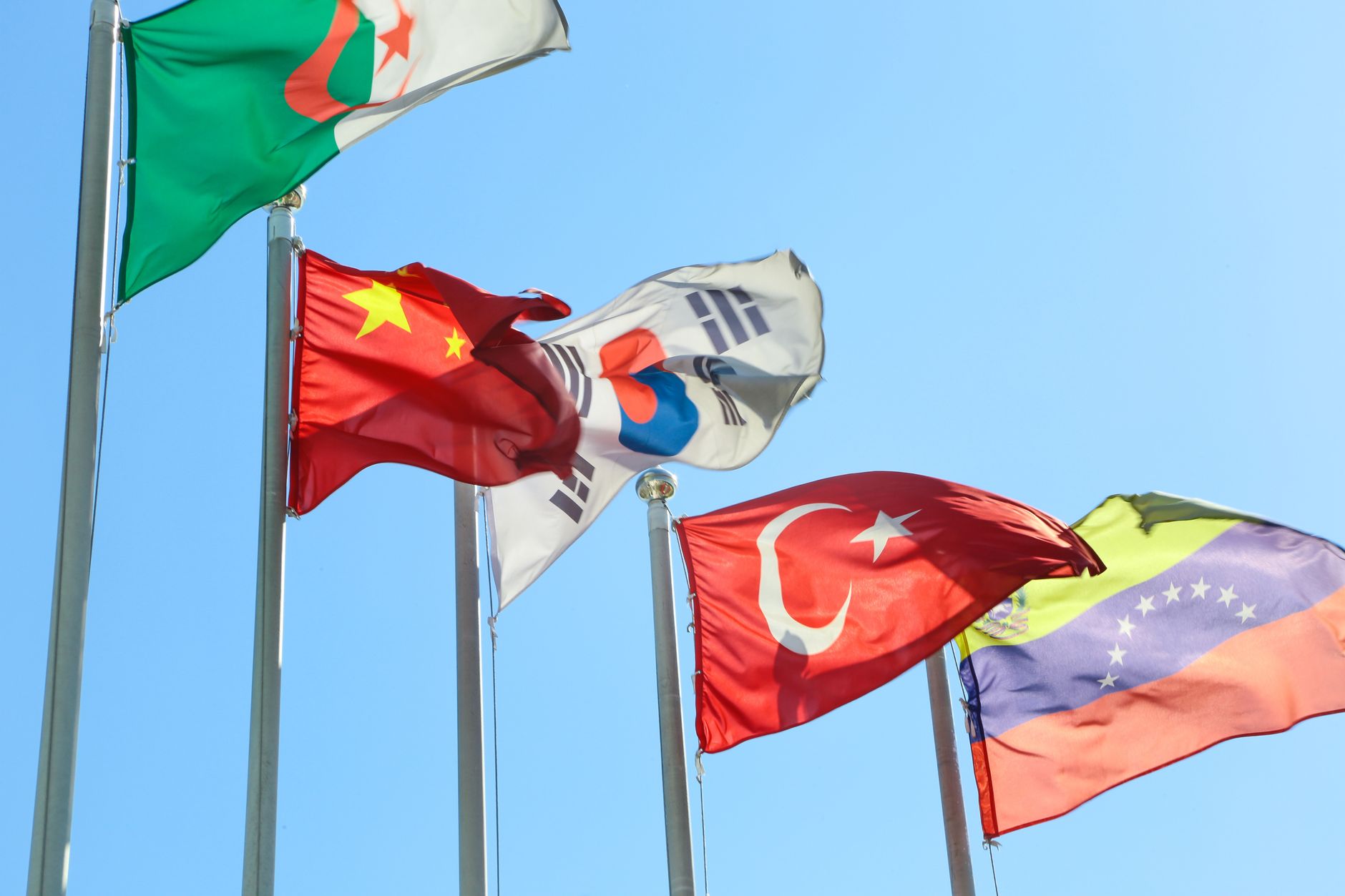
The BRICS nations – Brazil, Russia, India, China, and South Africa – are strengthening their collaborative efforts in the field of Traditional, Complementary and Integrative Medicine (TCIM) through the establishment of a dedicated Expert Working Group. This initiative represents a major advancement in the global recognition and integration of traditional healing systems into mainstream healthcare.
Understanding TCIM and Its Global Significance
Traditional, Complementary and Integrative Medicine encompasses healing practices, approaches, knowledge and beliefs that incorporate plant, animal and mineral-based medicines, spiritual therapies, manual techniques and exercises. These practices have been used for generations to maintain health and treat various medical conditions. The TCIM framework includes systems such as Ayurveda, Traditional Chinese Medicine, Unani, Siddha, homeopathy, naturopathy, and various indigenous healing traditions.
The World Health Organization estimates that traditional medicine serves as the primary healthcare option for millions of people worldwide, particularly in developing nations. In many BRICS countries, these traditional systems are deeply embedded in cultural practices and continue to play a vital role in healthcare delivery.
Why BRICS Collaboration Matters
The BRICS bloc represents approximately 42 percent of the world's population and possesses rich repositories of traditional medical knowledge. India's Ayurveda and Yoga, China's Traditional Chinese Medicine, Brazil's indigenous healing practices, Russia's traditional therapies, and South Africa's African traditional medicine collectively offer diverse approaches to health and wellness.
By joining hands, these nations can pool their expertise, research capabilities, and traditional knowledge to create a robust framework for TCIM development. This collaboration addresses several critical objectives:
- Standardization of traditional medicine practices and quality control
- Scientific validation of traditional remedies through research
- Development of international protocols for TCIM education and practice
- Protection of traditional knowledge and intellectual property rights
- Integration of TCIM with modern healthcare systems
- Facilitation of cross-border recognition of traditional practitioners
The Expert Working Group's Role
The formation of an Expert Working Group signals a structured approach to TCIM cooperation among BRICS nations. Such groups typically bring together specialists in traditional medicine, researchers, policymakers, and healthcare administrators to develop actionable frameworks and guidelines.
The working group is expected to focus on several key areas including establishing common standards for TCIM practices, creating research protocols for studying traditional remedies, developing educational curricula, and facilitating knowledge exchange programs between member countries. This coordinated effort can accelerate the recognition of traditional medicine systems on international platforms.
India's Leadership in TCIM
India holds a particularly strong position in this collaborative effort, given its well-established AYUSH systems (Ayurveda, Yoga and Naturopathy, Unani, Siddha, and Homeopathy). The country has invested significantly in research, education, and infrastructure for traditional medicine. With dedicated ministries, research councils, and thousands of hospitals and dispensaries offering TCIM services, India serves as a model for integrating traditional and modern medicine.
The Indian government has been actively promoting TCIM globally, supporting research initiatives, establishing quality standards, and participating in international forums to gain wider acceptance for traditional healing systems.
Potential Impact on Healthcare Access
The strengthening of TCIM cooperation among BRICS nations could have far-reaching implications for healthcare accessibility and affordability. Traditional medicine often utilizes locally available resources and can be more cost-effective than conventional treatments. By validating and standardizing these practices, millions of people could gain access to quality healthcare services.
Furthermore, the integration of TCIM with modern medicine offers a holistic approach to health that addresses both prevention and treatment. This is particularly relevant for managing chronic conditions, lifestyle diseases, and mental health issues where traditional systems have shown promising results.
Challenges and the Path Forward
Despite the promising collaboration, challenges remain in areas such as scientific validation, quality control, regulatory harmonization, and protection against biopiracy. The Expert Working Group will need to address these concerns while respecting the cultural contexts of different traditional systems.
The success of this initiative depends on sustained political commitment, adequate funding for research, and genuine exchange of knowledge among member nations. As the working group takes shape, regular monitoring and evaluation mechanisms will be essential to ensure meaningful progress.
This information is provided for general knowledge purposes only. Individuals seeking medical treatment should consult qualified healthcare professionals and should not rely solely on traditional medicine without proper medical guidance, especially for serious health conditions.