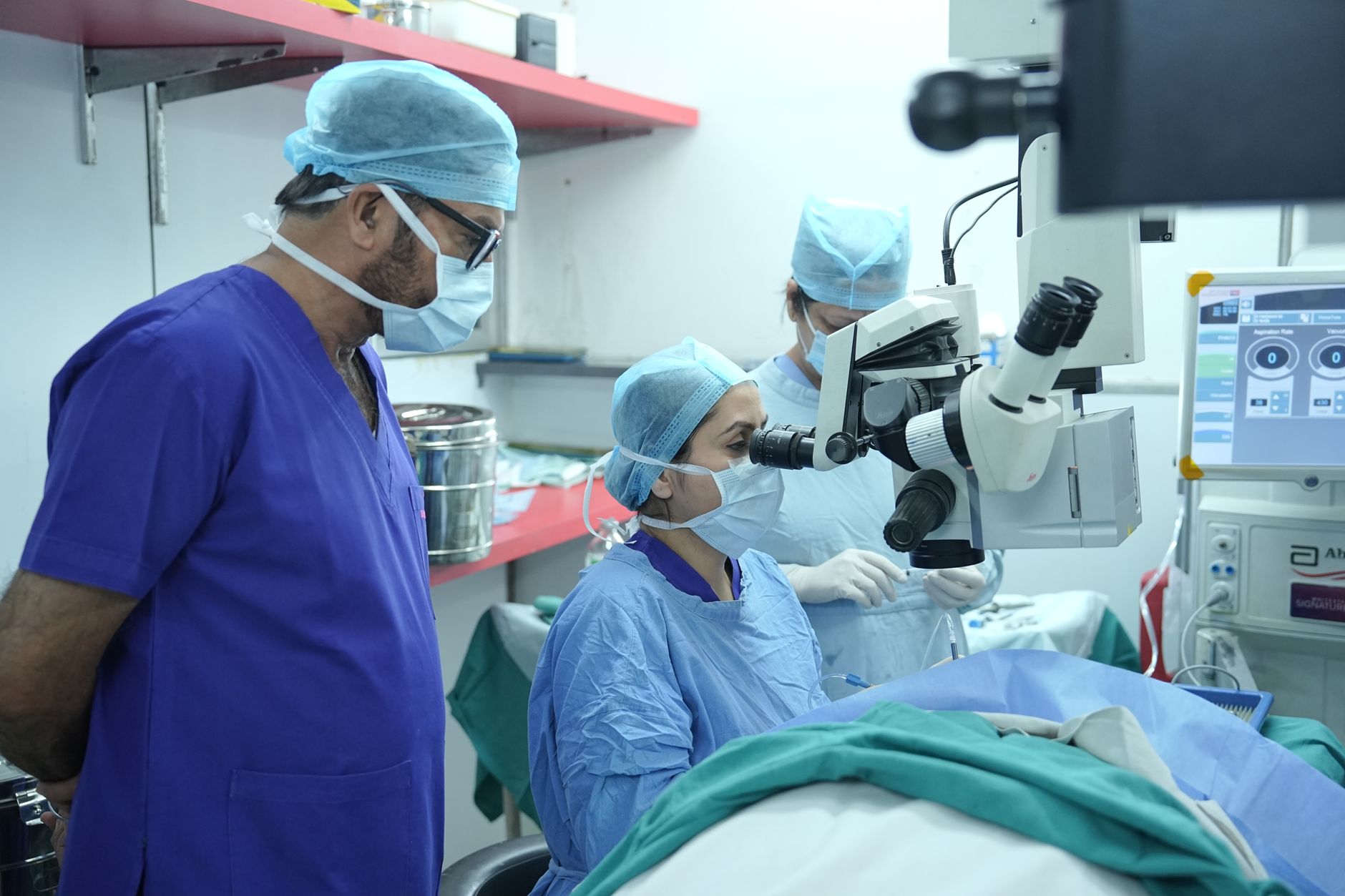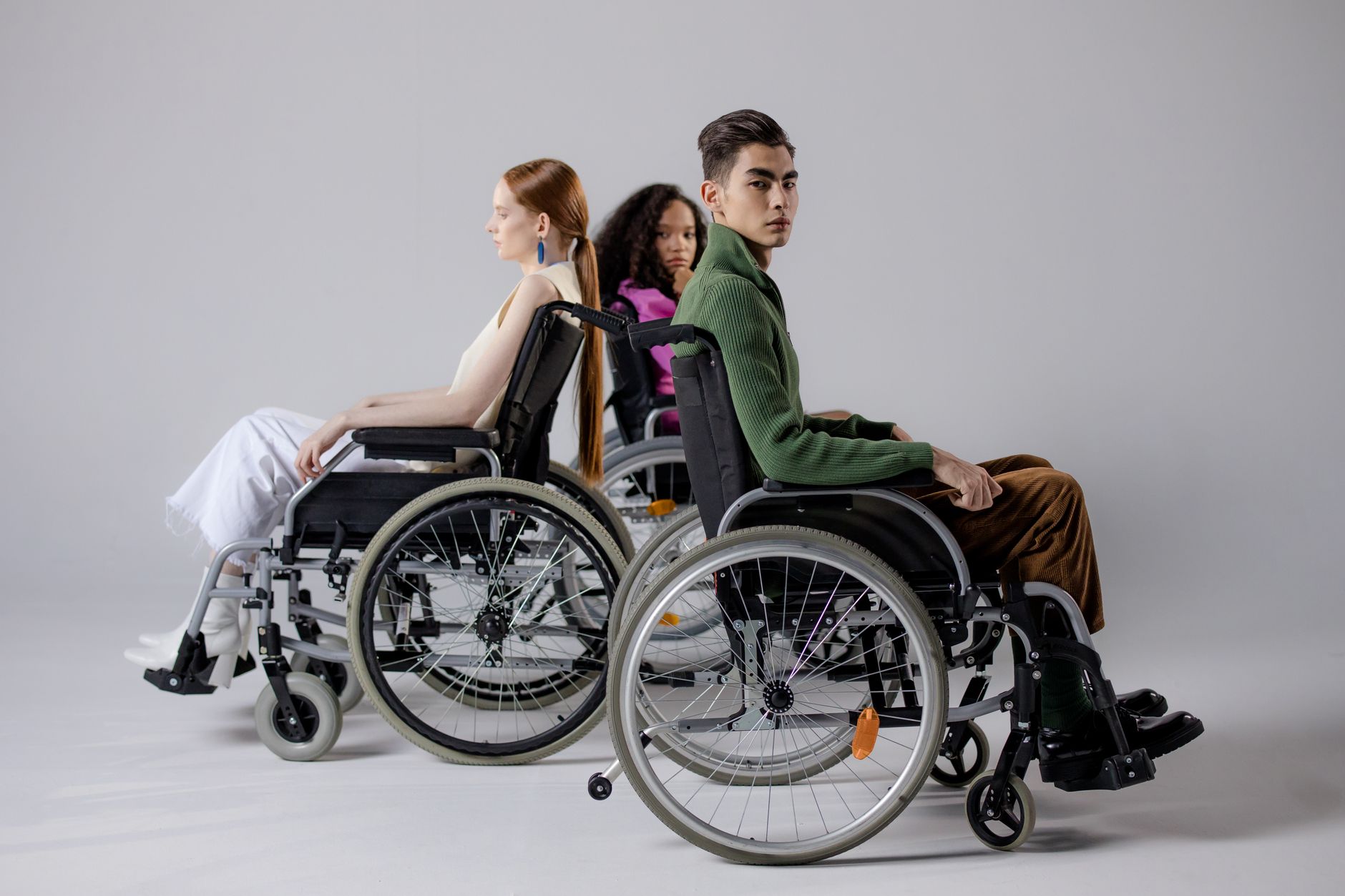
India's eye health sector is being called upon to adopt more inclusive practices that ensure people with disabilities can access essential vision care services. At the recent VISION 2020 Conference, CBM India, an international Christian development organization focused on disability-inclusive development, emphasized the critical need to integrate disability considerations into eye health programs nationwide.
The Intersection of Disability and Eye Health
People with disabilities face compounded challenges when seeking eye care services. Physical barriers such as inaccessible clinics, lack of transportation options, and medical equipment not designed for diverse body types can prevent individuals with mobility impairments from receiving routine eye examinations. Additionally, communication barriers affect deaf and hard-of-hearing patients who may struggle to understand instructions during vision tests or post-treatment care.
The situation becomes more complex when considering that visual impairment itself is a disability. In India, where an estimated 62 million people live with some form of vision impairment, ensuring that eye health services are accessible to those with multiple disabilities becomes paramount. Without inclusive design, healthcare facilities inadvertently exclude a significant portion of the population from preventive and curative eye care.
Current Gaps in Accessibility
Many eye care facilities in India lack basic accessibility features. Absence of ramps, narrow doorways, and examination equipment positioned at fixed heights create physical obstacles. Furthermore, informational materials about eye health are rarely available in formats accessible to people with cognitive disabilities or those who are blind or have low vision.
Staff training presents another significant gap. Healthcare workers often lack awareness about how to communicate effectively with patients who have intellectual disabilities or how to adjust standard procedures for individuals with physical limitations. This knowledge deficit can result in substandard care or complete avoidance of medical services by people with disabilities.
The VISION 2020 Initiative
VISION 2020 is a global initiative launched by the World Health Organization and the International Agency for the Prevention of Blindness with the goal of eliminating avoidable blindness by the year 2020. Although the target year has passed, the initiative continues to drive programs aimed at reducing vision impairment worldwide through improved access to eye care services and implementation of preventive strategies.
In India, VISION 2020 efforts have focused on tackling the major causes of blindness including cataracts, refractive errors, glaucoma, and diabetic retinopathy. However, advocates argue that these programs must explicitly incorporate disability-inclusive approaches to ensure no one is left behind in the quest for universal eye health.
Key Components of Inclusive Eye Care
CBM India's advocacy centers on several practical measures that eye health programs can adopt:
- Physical accessibility improvements including ramps, accessible toilets, and adjustable examination equipment
- Staff training on disability awareness, communication techniques, and reasonable accommodations
- Availability of information in multiple formats including large print, braille, audio, and easy-read versions
- Outreach programs specifically designed to reach people with disabilities in remote or underserved areas
- Community-based rehabilitation services that integrate eye health screening
- Data collection mechanisms that track disability status to identify and address service gaps
Policy and Implementation Challenges
While India's Rights of Persons with Disabilities Act 2016 mandates accessible healthcare facilities, implementation remains inconsistent. Budget constraints, competing priorities, and lack of technical expertise often delay accessibility upgrades in government health centers. Private facilities, though sometimes better equipped, may be financially out of reach for many people with disabilities who face higher rates of poverty and unemployment.
Changing institutional mindsets poses another challenge. Healthcare providers accustomed to standardized protocols may view accommodations as special requests rather than fundamental rights. Building a culture of inclusive healthcare requires sustained advocacy, policy enforcement, and professional education at all levels.
The Path Forward
Creating disability-inclusive eye health systems requires collaboration among government agencies, healthcare providers, disability rights organizations, and affected communities. People with disabilities must be involved in designing and evaluating services to ensure interventions genuinely meet their needs.
Technology offers promising solutions, from telemedicine consultations that reduce travel barriers to artificial intelligence tools that can assist in diagnosis. However, these innovations must be designed with accessibility from the outset rather than retrofitted later.
As India continues working toward universal health coverage, the integration of disability-inclusive practices in eye care represents both a moral imperative and a practical necessity. Ensuring that all citizens can maintain their vision health strengthens communities and supports the nation's broader development goals.
This article is for general informational purposes only and does not constitute medical advice. Individuals should consult qualified healthcare professionals for specific health concerns.