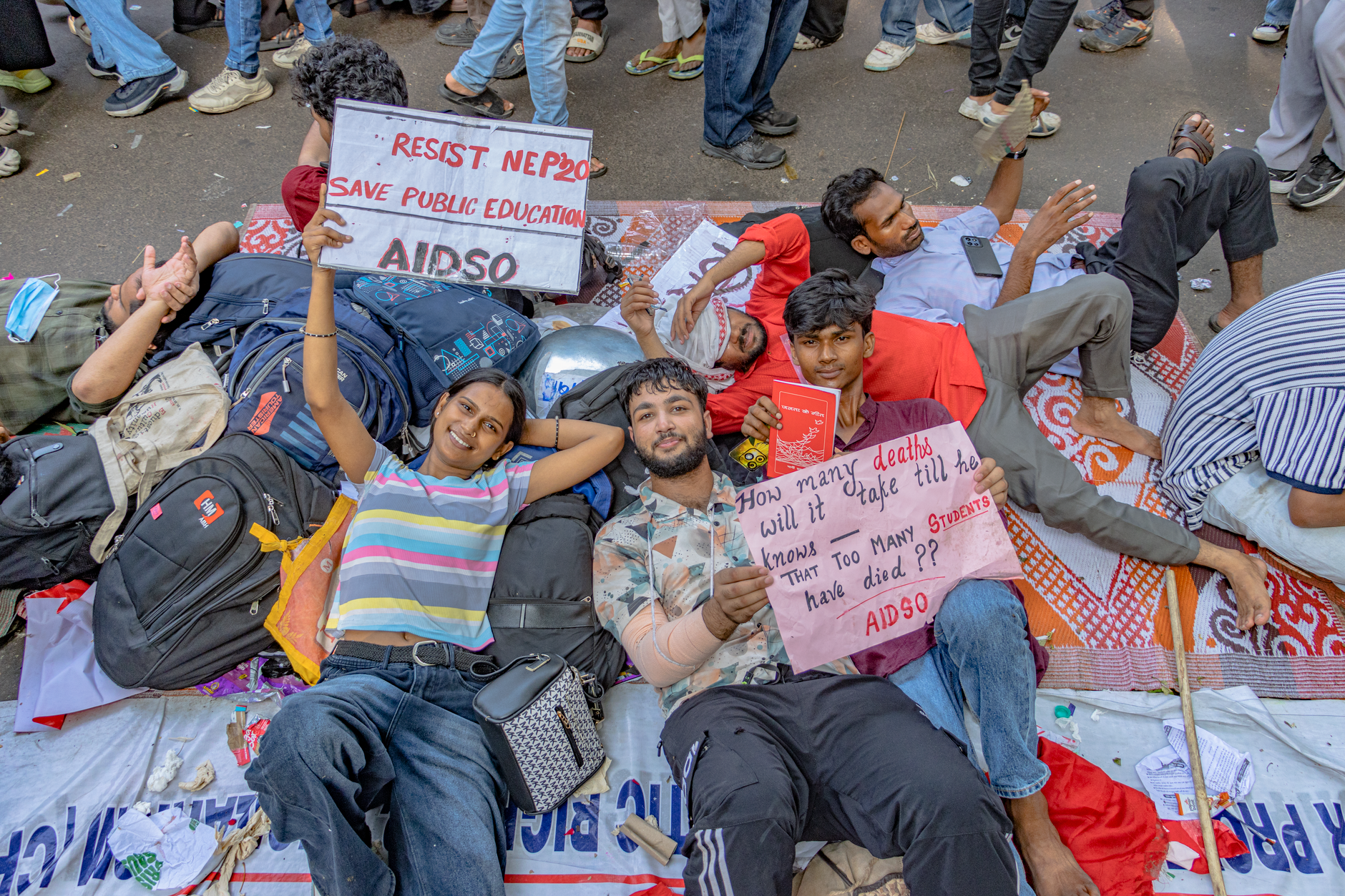
India is witnessing a generational shift in activism, as young people born between 1997 and 2012 channel their frustrations with the education system into organized, peaceful protests that are capturing national attention. This movement represents more than just student grievances—it signals a fundamental reimagining of how India's youth engage with democratic processes and demand accountability.
The Catalysts Behind the Movement
Educational protests in India are not new, but the current wave differs markedly from previous demonstrations. Gen Z protesters are mobilizing around multiple interconnected issues: examination irregularities, admission process transparency, delayed results affecting career timelines, and broader concerns about unemployment despite educational qualifications. Unlike earlier movements focused on single institutions or policies, today's activists are drawing connections between systemic failures across the educational ecosystem.
The statistics tell a sobering story. Millions of young Indians compete annually for limited seats in premier institutions, navigating processes that often lack transparency. Reports of technical glitches during online examinations, allegations of paper leaks, and inconsistent evaluation standards have fueled widespread distrust. Meanwhile, educated unemployment continues to rise, creating a generation that questions whether current educational structures serve their actual needs.
Digital Natives, Real-World Impact
What sets Gen Z apart is their sophisticated use of technology to amplify their voices. Social media platforms serve as organizing hubs where protesters coordinate actions, share resources, and document experiences in real-time. Hashtags trend nationally within hours, while crowdsourced data spreadsheets track protest locations, legal resources, and safety information.
However, these digital natives refuse to limit their activism to online spaces. They understand that lasting change requires physical presence and sustained pressure. Their protests combine online momentum with ground-level organizing—student unions, study groups, and informal networks that extend beyond campus boundaries.
The Strategy of Peaceful Persistence
The movement's power lies in its disciplined approach. Protesters arrive with data, not just slogans. They present well-researched demands backed by documentation of systemic failures. Legal challenges proceed alongside street demonstrations, showing a multi-pronged strategy that previous movements often lacked.
Young activists emphasize non-violence and civic responsibility, often cleaning up protest sites and maintaining order without external enforcement. This approach has garnered broader public sympathy, as middle-class families see their own children reflected in these well-spoken, organized demonstrators.
Gender Dynamics and Inclusive Activism
A notable feature of current protests is significant female participation. Young women are not just attending but leading, speaking, and strategizing. This reflects broader shifts in Indian society, where educational opportunities for women have expanded even as workplace gender gaps persist. Female protesters bring intersectional perspectives, linking educational reform to broader questions of safety, representation, and equal opportunity.
The movement also attempts inclusivity across caste, class, and regional lines, though challenges remain. Protesters increasingly recognize that educational inequity disproportionately affects marginalized communities, and some are working to amplify these voices within the movement.
Institutional Responses and Future Implications
Authorities have responded variably, from engaging in dialogue to dismissing concerns as youthful idealism. Some institutions have initiated reviews of examination processes and grievance mechanisms, while others have doubled down on existing systems. The government's response will significantly shape whether this energy translates into substantive reform or dissipates into disillusionment.
Beyond Education: A Generational Statement
These protests extend beyond immediate educational grievances to represent Gen Z's broader expectations of governance. Having grown up with access to global information, these young people compare Indian systems to international standards and demand better. They reject the narrative that they should be grateful for opportunities, instead asserting their right to quality, transparency, and fairness.
This generation approaches activism differently—more horizontally organized, more data-driven, and more willing to sustain pressure over time rather than expecting immediate results. They recognize that systemic change requires persistent effort, and they appear prepared for the long haul.
The Road Ahead
Whether this movement achieves its immediate goals remains uncertain. What is clear is that Gen Z has established new templates for civic engagement in India. They have demonstrated that youth activism can be simultaneously passionate and disciplined, digital and physical, idealistic and pragmatic.
The true measure of success may not be individual policy changes but rather the normalization of young people demanding accountability, the strengthening of student organizing capacity, and the creation of networks that will shape Indian civil society for decades to come. In braving cold statistics with warm spirits, India's youth are not just protesting current conditions—they are articulating a vision for the country they want to inherit.