The partnership between FIMER India and the Aapat-Sahaaya Foundation represents a growing trend in corporate India's approach to social responsibility, particularly in addressing the persistent educational divide between urban and rural areas. As corporations increasingly recognize their role in nation-building, such collaborations demonstrate how strategic CSR initiatives can create meaningful change in communities that need it most.
The Rural Education Challenge in India
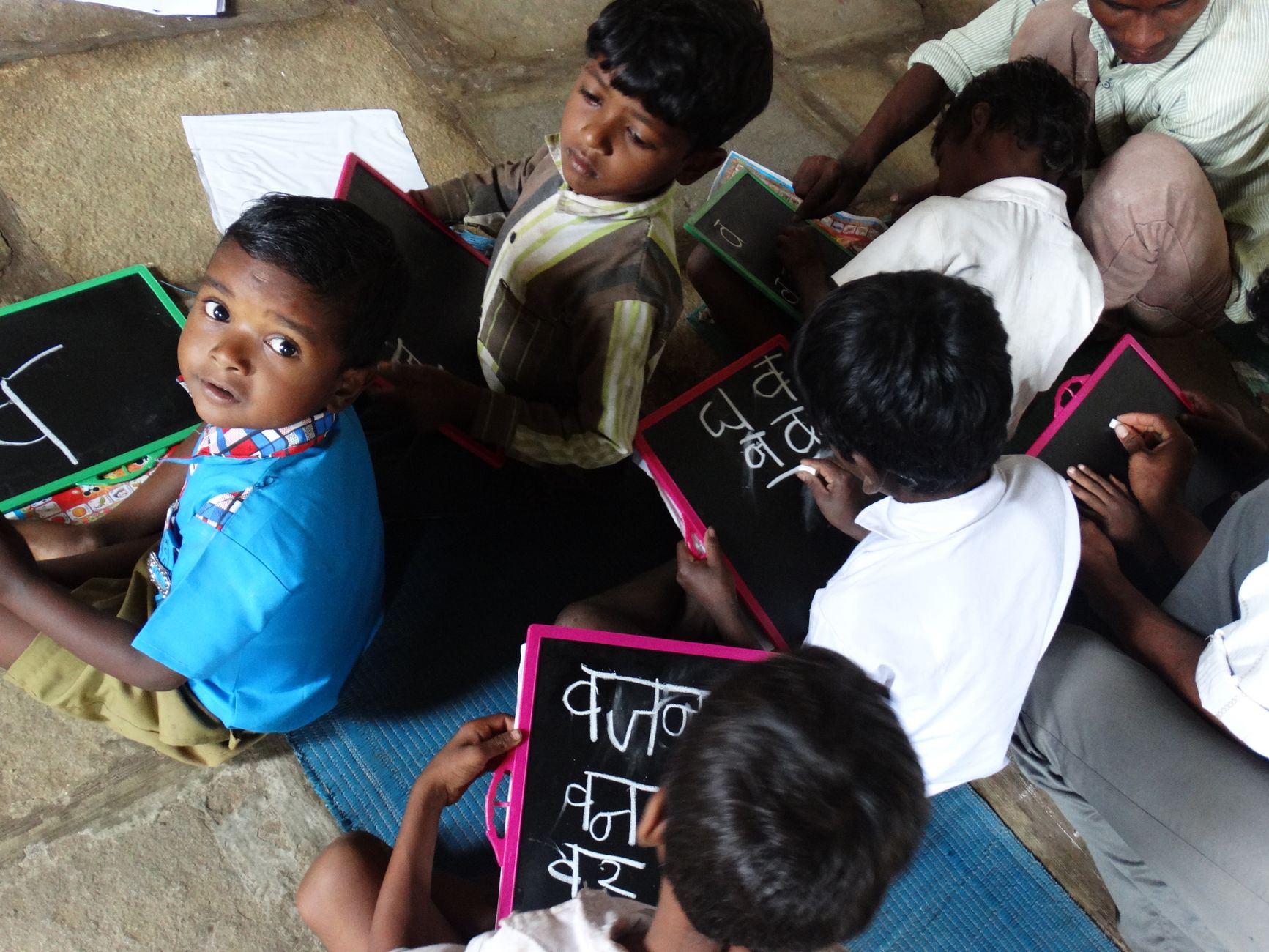
India's rural education system continues to face significant challenges despite various government initiatives. Approximately 65 percent of India's population lives in rural areas, yet these regions often lack basic educational infrastructure, qualified teachers, and learning resources. Schools in remote villages frequently operate with inadequate facilities, limited access to technology, and insufficient teaching materials that hinder quality education delivery.
The digital divide has become particularly pronounced, with rural students struggling to access online learning resources that their urban counterparts take for granted. This gap became even more apparent during the COVID-19 pandemic, when remote learning became essential but remained largely inaccessible to rural communities.
How Corporate CSR Fills the Gap
Under the Companies Act 2013, Indian companies meeting certain financial thresholds must spend at least 2 percent of their average net profits from the preceding three years on CSR activities. Education remains one of the priority areas identified under Schedule VII of the Act, encouraging companies to invest in schools, vocational training, and skill development programs.
Corporate CSR initiatives in rural education typically focus on several key areas:
- Infrastructure development including classrooms, libraries, and sanitation facilities
- Provision of learning materials, books, and digital devices
- Teacher training programs to improve instruction quality
- Scholarships and financial assistance for underprivileged students
- STEM education programs to build technical skills
- Nutritional support through mid-day meal programs
The Foundation Partnership Model
Organizations like the Aapat-Sahaaya Foundation serve as crucial intermediaries between corporations and grassroots communities. These foundations bring local knowledge, established relationships with rural communities, and expertise in implementing development programs effectively. They help corporations navigate the complexities of rural engagement, ensure accountability, and measure impact.
This partnership model offers several advantages. Foundations can identify genuine needs, implement programs with cultural sensitivity, and provide ongoing monitoring that ensures sustainability. For corporations, partnering with experienced NGOs reduces implementation risks and increases the likelihood of creating lasting change.
Impact on Rural Students and Communities
When executed effectively, corporate-funded education initiatives can transform entire communities. Improved school infrastructure encourages higher enrollment and reduces dropout rates, particularly among girls who may otherwise face barriers to education. Access to quality learning materials and technology helps bridge the knowledge gap between rural and urban students, providing more equitable opportunities.
Beyond immediate educational outcomes, these programs often generate broader community benefits. Schools frequently become community hubs, offering adult literacy programs, health awareness sessions, and vocational training. Parents become more engaged in their children's education when they see tangible improvements in school facilities and teaching quality.
Measuring Success and Sustainability
The effectiveness of CSR education initiatives depends heavily on proper planning, implementation, and monitoring. Successful programs establish clear objectives, involve local communities in decision-making, and create mechanisms for ongoing evaluation. Sustainability requires building local capacity so that improvements continue after initial corporate funding ends.
Key performance indicators might include enrollment rates, student attendance, learning outcomes measured through standardized assessments, teacher retention, and infrastructure utilization. Companies increasingly recognize that one-time interventions rarely create lasting change, leading to multi-year commitments and comprehensive program designs.
The Road Ahead
As India aims to achieve universal quality education under Sustainable Development Goal 4, corporate involvement through CSR will likely play an increasingly important role. The government's New Education Policy 2020 emphasizes vocational education, digital literacy, and holistic development—areas where corporate expertise and resources can make significant contributions.
For rural communities, the continued expansion of such partnerships offers hope for educational equity. When corporations move beyond compliance to genuine community engagement, they become partners in creating opportunities that can break cycles of poverty and enable social mobility through education.
This article is for general informational purposes only and does not constitute specific advice regarding CSR compliance or implementation strategies. Organizations should consult legal and development professionals when designing CSR programs.