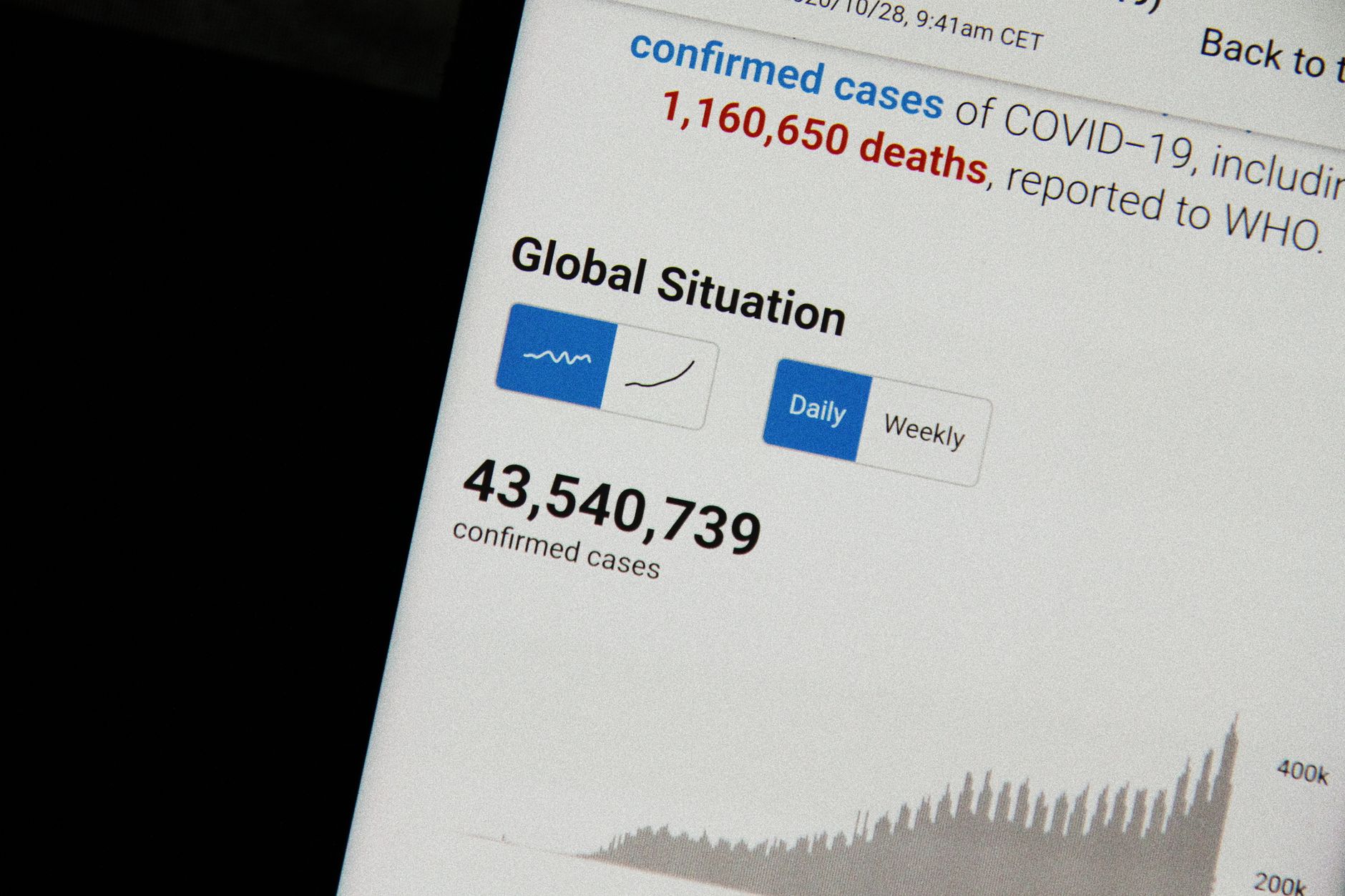
India is witnessing a rise in Covid-19 cases once again, prompting health experts to advise caution and preparedness. While health insurance has become more comprehensive since the pandemic began, policyholders should be aware that not all Covid-related expenses are automatically covered. Understanding these exclusions can help you avoid unexpected financial burdens during treatment.
Common Exclusions in Health Insurance Policies
Most health insurance policies contain standard exclusions that apply to Covid-19 treatment just as they would to any other illness. The waiting period is one of the most significant barriers. New policies typically impose a waiting period of 30 days before coverage begins, meaning if you purchase insurance after symptoms appear or during an outbreak, you won't be covered immediately.
Pre-existing conditions related to respiratory health or chronic illnesses may also face exclusion periods ranging from two to four years, depending on your policy. If you had a previous Covid infection that resulted in complications, insurers might classify subsequent treatments as related to a pre-existing condition.
Treatment Expenses Not Typically Covered
Health insurance policies generally do not cover home isolation costs when hospitalization is not required. This includes expenses for oxygen concentrators purchased for home use, pulse oximeters, thermometers, and other medical equipment bought for monitoring at home. While these were essential during peak pandemic waves, they fall outside the purview of standard hospitalization coverage.
Over-the-counter medications, vitamins, and immunity boosters are typically excluded from coverage. Even if prescribed by a doctor for Covid prevention or recovery, these supplements are considered preventive rather than curative care.
Diagnostic tests done for screening purposes rather than diagnosis also remain uncovered. If you take a Covid test for travel purposes or routine screening without symptoms, you'll need to pay out of pocket. Only tests ordered by a physician for symptomatic patients during active treatment are generally reimbursable.
Consumables and Indirect Costs
Many policies exclude or limit coverage for consumables unless you've specifically added this rider. Personal protective equipment, sanitizers, masks, gloves, and similar items used during treatment may not be covered. Some insurers have started offering consumables coverage as an add-on, but it's not standard across all policies.
Ambulance charges might have sub-limits or may only be covered for emergency situations. Non-emergency patient transport, even for Covid-related medical visits, could be excluded or capped at a minimal amount.
Quarantine and Isolation Facilities
Commercial quarantine facility costs are typically not covered unless they qualify as hospitalization. Many insurance policies require admission to a hospital or recognized healthcare facility. Staying at a hotel or paid isolation center, even if medically advisable, doesn't usually meet this criterion.
Similarly, if a family member needs to quarantine in a separate facility due to exposure, those costs are considered personal expenses rather than medical treatment.
Alternative and Experimental Treatments
Ayurvedic, homeopathic, or other alternative medicine treatments for Covid-19 are excluded unless you have a policy that specifically covers AYUSH treatments. Even then, coverage may be limited or require treatment at recognized institutions.
Experimental or investigational treatments not approved by medical authorities won't be covered. During the pandemic's peak, various unapproved therapies were attempted, and insurance companies denied claims for these interventions.
Mental Health Support
The pandemic's mental health impact has been significant, but many standard policies have limited coverage for psychological counseling or therapy. Unless your policy includes mental health coverage, expenses for anxiety, depression, or trauma counseling related to Covid experiences will likely be out-of-pocket.
What Is Typically Covered
Despite these exclusions, comprehensive health insurance does cover substantial Covid-related expenses. Hospitalization costs including room rent, ICU charges, doctor consultations, and nursing care are covered subject to policy limits. Diagnostic tests ordered during hospitalization, medications administered during treatment, ventilator and oxygen support in hospital settings, and post-hospitalization recovery expenses for a specified period are generally included.
Steps to Maximize Your Coverage
Review your policy document carefully to understand specific exclusions and sub-limits. Consider adding riders for consumables, ambulance coverage, and pre-hospitalization expenses if not already included. Keep all medical receipts and doctor prescriptions organized for claim submissions. Inform your insurer promptly upon hospitalization rather than waiting until discharge.
Some insurers introduced Covid-specific policies or enhanced coverage during the pandemic. Check if your insurer offers any such additional benefits or if upgrading your existing policy would provide better protection.
This article provides general information about health insurance coverage and should not be considered as financial or medical advice. Policy terms vary significantly between insurers and specific plans. Please consult your insurance policy documents and speak with your insurance provider to understand your exact coverage and exclusions.