India's monsoon season has arrived with its familiar companion—a sharp increase in dengue fever cases across multiple states. However, the current health landscape reveals a more complex picture than previous years, with traditional vector-borne diseases showing mixed trends while non-communicable diseases continue their upward trajectory, creating what experts call a double disease burden.
Dengue Cases Spike Across India
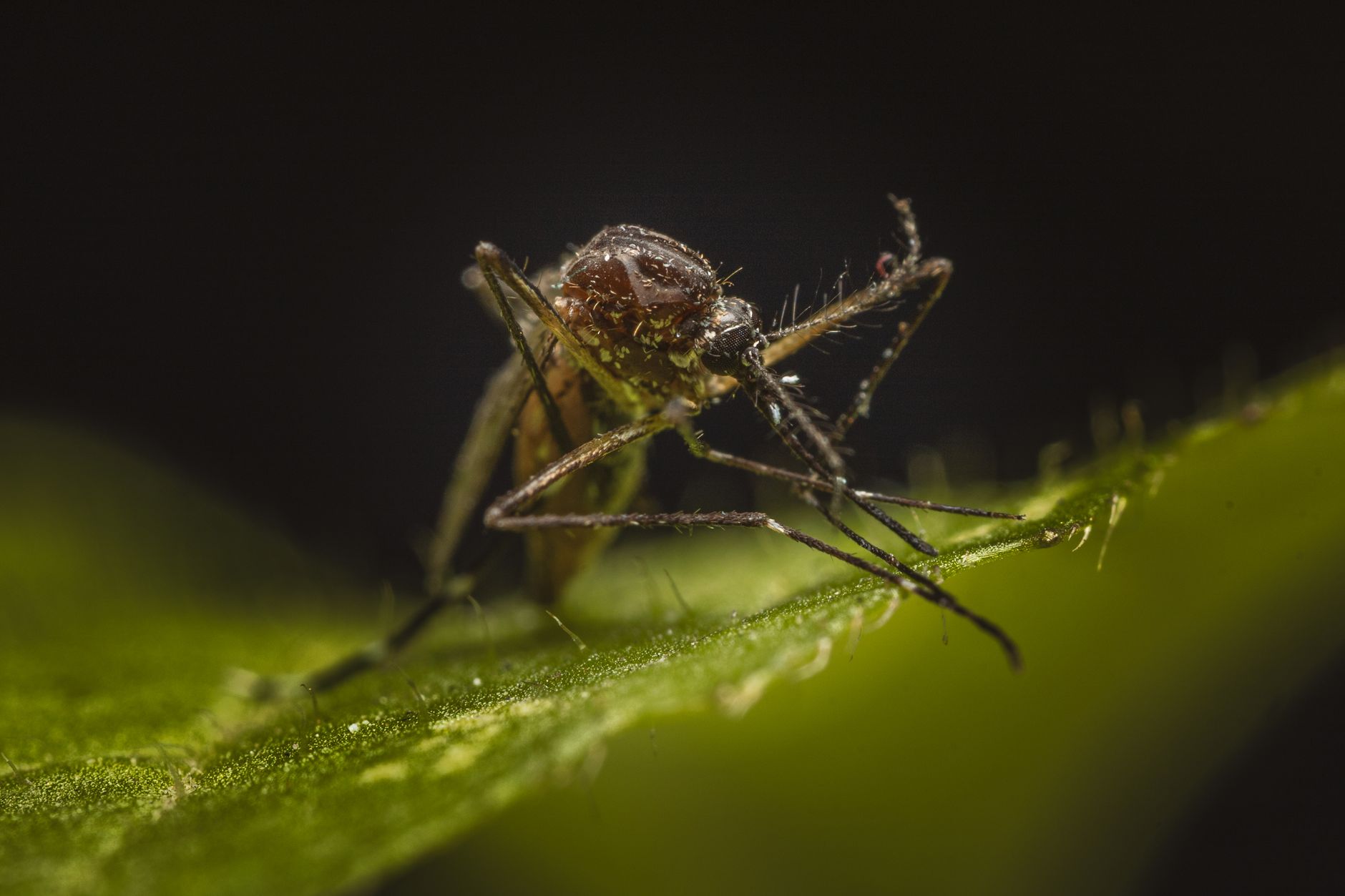
The 2024 monsoon season has witnessed a significant surge in dengue infections, particularly in urban and semi-urban areas. The mosquito-borne viral infection thrives during monsoon months when stagnant water provides ideal breeding grounds for Aedes aegypti mosquitoes. States including Delhi, Maharashtra, Karnataka, Tamil Nadu, and West Bengal have reported substantial increases in confirmed cases compared to the same period last year.
Healthcare facilities are experiencing increased patient loads, with many presenting symptoms including high fever, severe headache, pain behind the eyes, joint and muscle pain, and in severe cases, bleeding manifestations. The strain on hospital infrastructure has prompted state governments to establish dedicated dengue wards and fever clinics to manage the influx.
Decline in Traditional Vector-Borne Diseases
Contrasting with the dengue surge, India has recorded encouraging declines in other vector-borne diseases. Malaria cases have decreased substantially over recent years, attributed to sustained vector control programs, improved diagnostic facilities, and widespread distribution of insecticide-treated bed nets. The National Vector Borne Disease Control Programme has reported progressive reductions in both malaria incidence and mortality rates.
Kala-azar, also known as visceral leishmaniasis, has shown even more dramatic improvement. Once endemic in Bihar, Jharkhand, Uttar Pradesh, and West Bengal, the disease has been nearly eliminated from several previously affected blocks. This success stems from coordinated elimination initiatives involving active case detection, prompt treatment, and vector management targeting sandfly populations.
The Rising Tide of Non-Communicable Diseases
While infectious disease control efforts show mixed results, India faces an escalating challenge from non-communicable diseases. Diabetes, hypertension, cardiovascular diseases, and cancer rates continue climbing steadily, driven by urbanization, sedentary lifestyles, dietary changes, and aging demographics.
The diabetes burden is particularly concerning, with India often termed the "diabetes capital of the world." Millions of Indians live with undiagnosed or poorly controlled diabetes, creating long-term complications including kidney disease, vision loss, and cardiovascular problems. Similarly, hypertension affects a significant portion of the adult population, frequently remaining undetected until serious complications arise.
Understanding the Double Disease Burden
The simultaneous challenge of controlling infectious diseases while managing rising NCDs creates unique pressures on India's healthcare system. This epidemiological transition—where countries face both communicable and non-communicable disease challenges—demands resources for acute outbreak response while building capacity for chronic disease management.
Healthcare infrastructure must accommodate seasonal surges in diseases like dengue while maintaining continuous care for millions requiring long-term NCD management. This dual demand strains budgets, workforce, and facility capacity, particularly in resource-limited settings.
Prevention Strategies for Monsoon Diseases
Public health authorities emphasize several preventive measures to reduce dengue transmission:
- Eliminating stagnant water collections around homes, including flower pots, coolers, and discarded containers
- Using mosquito repellents and wearing protective clothing during peak biting hours
- Installing window screens and using bed nets where appropriate
- Ensuring proper waste disposal to prevent mosquito breeding sites
- Seeking immediate medical attention for unexplained fever during monsoon months
Communities must remain vigilant about water storage practices and environmental sanitation to break the mosquito breeding cycle.
Addressing the NCD Challenge
Tackling non-communicable diseases requires different approaches focused on prevention, early detection, and sustained management:
- Regular health screening for diabetes, hypertension, and cholesterol levels
- Adopting healthier diets rich in fruits, vegetables, and whole grains while limiting processed foods
- Incorporating regular physical activity into daily routines
- Avoiding tobacco use and limiting alcohol consumption
- Managing stress through adequate sleep and relaxation techniques
The Path Forward
Successfully navigating India's double disease burden requires integrated approaches combining strong infectious disease surveillance with robust primary healthcare systems capable of NCD management. Investment in preventive healthcare, public awareness campaigns, and strengthening healthcare infrastructure at grassroots levels remains essential.
The contrasting trends in different disease categories demonstrate both the potential for success when sustained efforts are applied and the ongoing challenges requiring continued vigilance and resource allocation.
This article provides general health information only and should not replace professional medical advice. Readers experiencing symptoms should consult qualified healthcare providers for proper diagnosis and treatment.