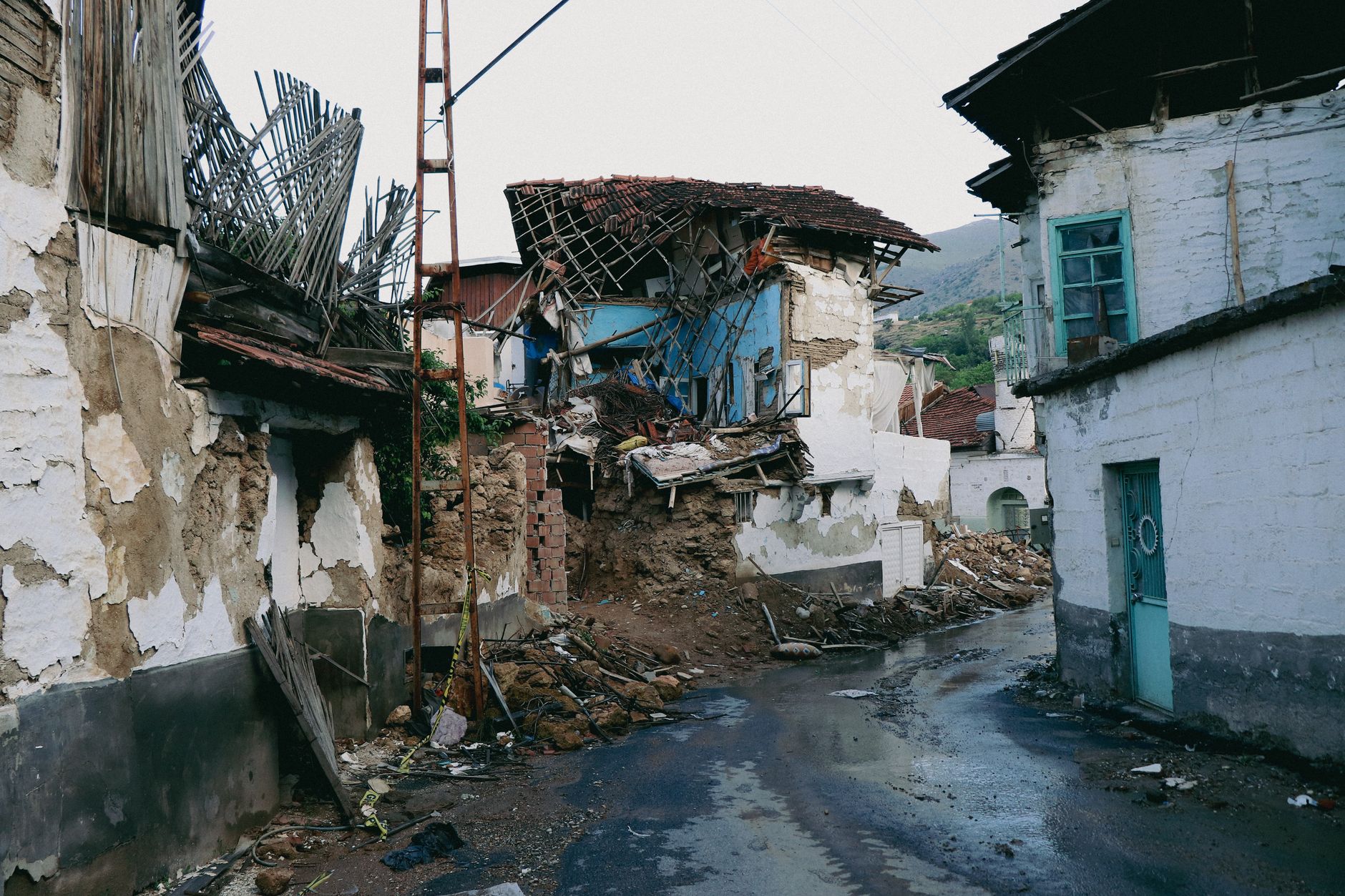
When earthquakes strike, the immediate focus understandably falls on rescue operations and structural damage. However, the health crisis that follows in the days and weeks after can be equally devastating, affecting thousands of survivors who must navigate contaminated environments while basic services remain disrupted.
The Dust Danger
Earthquakes generate massive amounts of dust from collapsed buildings, pulverized concrete, and disturbed soil. This airborne particulate matter poses serious respiratory risks, particularly in urban areas where construction materials contain harmful substances.
The dust cloud following a major quake often contains silica from concrete, asbestos from older buildings, heavy metals, and various chemical compounds. When inhaled, these particles can cause immediate respiratory distress, aggravate existing conditions like asthma, and potentially lead to long-term lung diseases. Children, elderly individuals, and those with pre-existing respiratory conditions face the highest risk.
Survivors and rescue workers should ideally wear N95 masks or respirators when moving through affected areas, though such protective equipment is often in short supply during emergencies.
Water Contamination Crisis
One of the most pressing health concerns following earthquakes involves water safety. Seismic activity frequently damages water supply infrastructure, sewage systems, and waste treatment facilities, creating a perfect storm for waterborne disease outbreaks.
Broken pipes can allow sewage to mix with drinking water supplies. Damaged storage tanks may become contaminated with debris, chemicals, or biological hazards. In coastal areas, soil liquefaction can draw saltwater into freshwater aquifers, while ruptured industrial facilities may leak toxic substances into water sources.
The resulting contaminated water can transmit diseases including:
- Cholera and typhoid fever from fecal contamination
- Hepatitis A and E
- Dysentery and various diarrheal diseases
- Leptospirosis from contact with water contaminated by animal urine
- Skin and eye infections
Boiling water for at least one minute, using water purification tablets, or relying on sealed bottled water becomes essential when infrastructure is compromised.
Debris-Related Health Risks
The physical debris field left by an earthquake creates multiple health hazards beyond the obvious injury risks from unstable structures.
Standing water pooling in debris can become breeding grounds for mosquitoes, potentially triggering outbreaks of dengue fever, malaria, or other vector-borne diseases. Decomposing organic matter attracts rodents and other disease-carrying pests. Sharp metal, broken glass, and exposed nails cause wounds that can lead to tetanus infections, particularly dangerous when medical services are overwhelmed.
Debris also harbors mold growth, especially in humid climates. Within 24-48 hours of water exposure, mold spores begin multiplying and can trigger allergic reactions, asthma attacks, and other respiratory problems.
Sanitation Breakdown
When earthquakes damage or destroy sanitation facilities, the health implications extend far beyond inconvenience. Without functioning toilets and waste disposal systems, human waste accumulates, contaminating the environment and creating pathways for disease transmission.
Makeshift sanitation arrangements in displacement camps or damaged neighborhoods require careful management to prevent fecal-oral disease transmission. Proper hand hygiene becomes challenging when clean water is scarce, compounding the risk.
Mental Health Considerations
The health crisis following earthquakes isn't purely physical. Survivors experience trauma, grief, anxiety, and depression. The stress of displacement, loss of loved ones, and uncertainty about the future can manifest in physical symptoms and compromise immune function, making individuals more susceptible to illness.
Prevention and Response Strategies
Public health authorities responding to post-earthquake situations typically prioritize several key interventions:
- Establishing safe water distribution points
- Providing hygiene kits and sanitation facilities
- Conducting disease surveillance to catch outbreaks early
- Vaccinating populations against preventable diseases
- Clearing debris systematically to reduce hazards
- Setting up medical clinics for both acute injuries and ongoing care
Community resilience depends on swift action, adequate resources, and coordinated response efforts between local authorities, national governments, and international aid organizations.
The transition from immediate rescue operations to sustained recovery requires sustained attention to public health infrastructure. Only through comprehensive approaches addressing water, sanitation, environmental hazards, and healthcare access can communities truly begin rebuilding after devastating earthquakes.