Freedom Park in Bengaluru, a historic venue for public demonstrations and cultural gatherings, has recently witnessed an interesting transformation. Generation Z—those born roughly between 1997 and 2012—are increasingly making their presence felt in this public space, turning it into a hub for discussions, creative expression, and quiet contemplation. This phenomenon offers valuable insights into how India's youngest adult generation is reshaping civic engagement and their relationship with urban commons.
Understanding the Gen Z Approach to Public Spaces
Unlike previous generations who primarily viewed parks as recreational areas or protest grounds, Gen Z is reimagining these spaces as multifunctional venues. At Freedom Park, young people gather not just for organized events but for informal meetups, study sessions, poetry readings, and discussions on topics ranging from climate change to career anxieties. This organic reclamation of public space reflects a generation that values accessibility, inclusivity, and authentic connection over traditional institutional frameworks.
The choice of Freedom Park is particularly symbolic. Originally called Talacauvery Park and renamed to commemorate India's freedom struggle, the space carries historical weight. Gen Z's presence here bridges past struggles with contemporary aspirations, creating a continuum of civic consciousness that honors heritage while addressing present-day concerns.
Digital Natives Seeking Physical Community
One might expect a generation raised on smartphones and social media to remain glued to screens in their private spaces. However, the trend at Freedom Park suggests something different. Young Indians are deliberately seeking face-to-face interactions in neutral public spaces, perhaps as a counterbalance to the isolation and performative nature of online platforms.
This physical gathering serves multiple purposes. It provides a space for networking beyond LinkedIn algorithms, allows for spontaneous conversations that might not happen in structured settings, and creates opportunities for cross-pollination of ideas across different educational backgrounds and career paths.
Education Beyond Classroom Walls
From an educational perspective, this trend represents informal learning at its most organic. Gen Z attendees at Freedom Park often engage in peer-to-peer knowledge sharing—discussing book recommendations, debating policy issues, or workshopping creative projects. This aligns with educational research showing that Generation Z values experiential learning and collaborative problem-solving over passive lecture-style instruction.
Many young people use these gatherings to explore interests that formal education systems may not accommodate. Whether it's discussing philosophy, practicing conversational skills in foreign languages, or sharing insights about emerging technologies, the park becomes an open university of sorts—democratic, free, and self-directed.
Civic Awareness and Gentle Activism
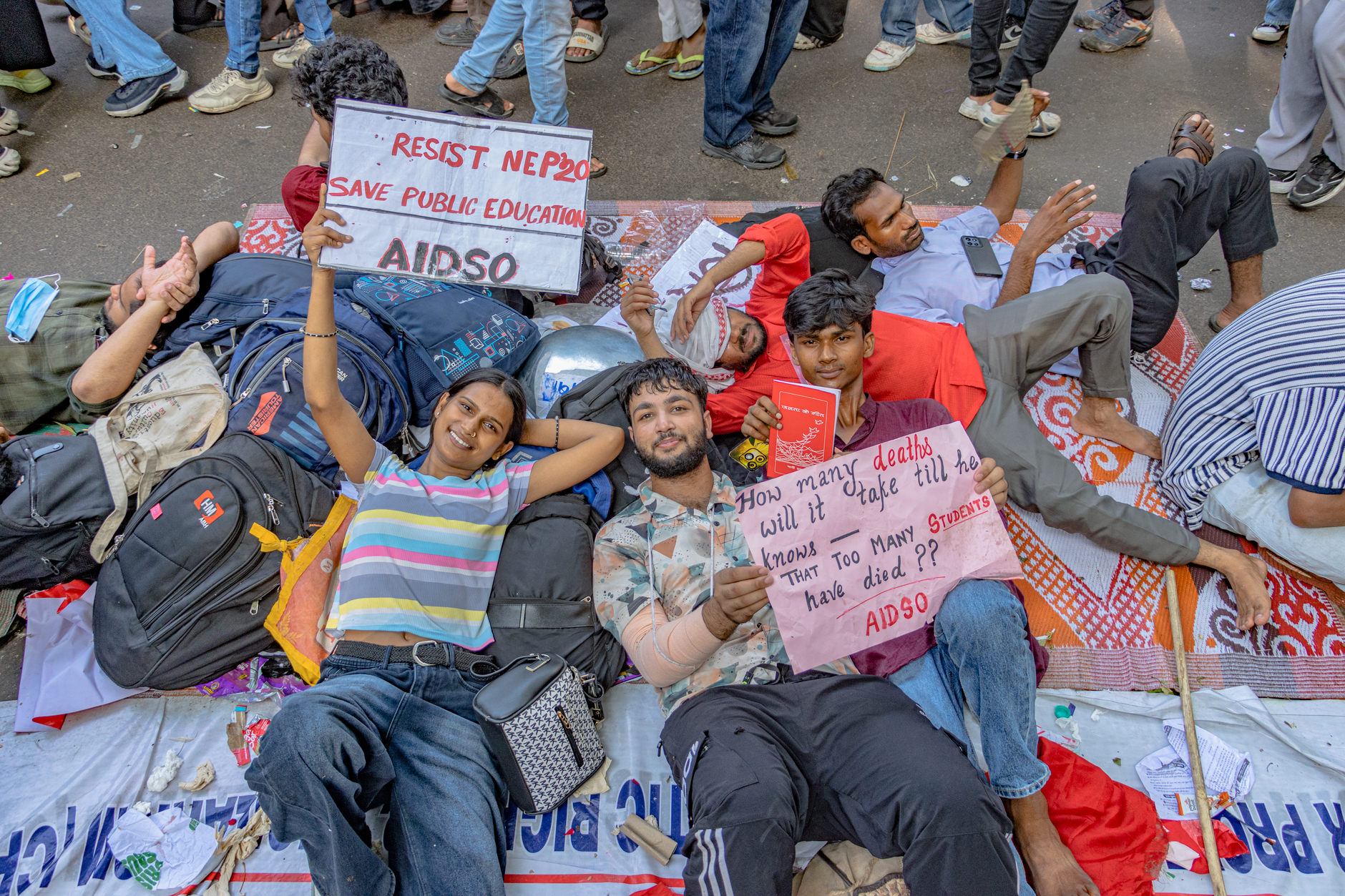
The gatherings at Freedom Park also reflect Gen Z's particular approach to activism and social change. Rather than the confrontational protest politics of earlier generations, many young Indians favor what might be called "constructive engagement"—building communities, sharing resources, and creating alternative models rather than solely opposing existing systems.
This doesn't mean Gen Z is apolitical. Rather, their politics often manifest through lifestyle choices, consumer behavior, and community building. Discussions at Freedom Park frequently touch on sustainability, mental health awareness, gender equality, and inclusive development—issues that matter deeply to this generation but which they approach through dialogue and education rather than only through confrontation.
Challenges and Sustainability
While this trend is encouraging, questions remain about its sustainability and reach. Public spaces in Indian cities face numerous challenges—inadequate maintenance, safety concerns particularly for women and marginalized groups, and sometimes restrictive regulations on gatherings. For Gen Z's reclamation of spaces like Freedom Park to truly flourish, municipal authorities need to recognize and support these organic community-building efforts.
There's also the question of inclusivity. Are these gatherings truly representative of Bengaluru's diverse Gen Z population, or do they primarily attract privileged youth with the time and resources to participate? Ensuring that public space engagement doesn't become another arena of inequality is crucial.
Looking Forward
The quiet revolution happening at Freedom Park and similar venues across India suggests that Gen Z is crafting a new civic culture—one that blends historical awareness with contemporary concerns, values both digital connectivity and physical presence, and seeks change through community building alongside traditional activism. As India navigates complex social, economic, and environmental challenges, the perspectives and approaches of this generation will prove increasingly important.
Whether this represents a lasting shift or a passing phase remains to be seen, but the image of young Indians gathering in public parks to learn, discuss, and simply be together offers a hopeful counternarrative to often pessimistic portrayals of youth disengagement.