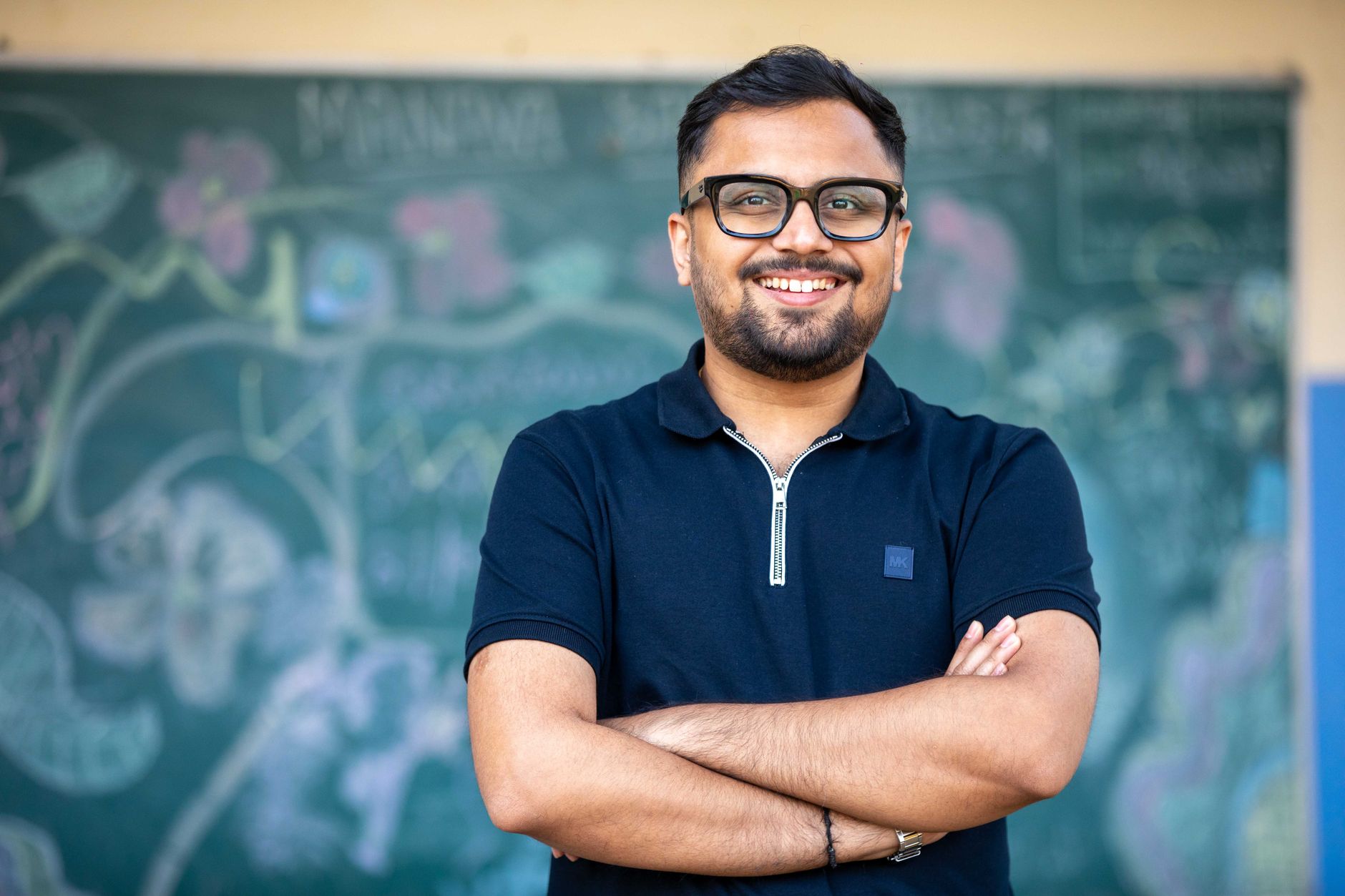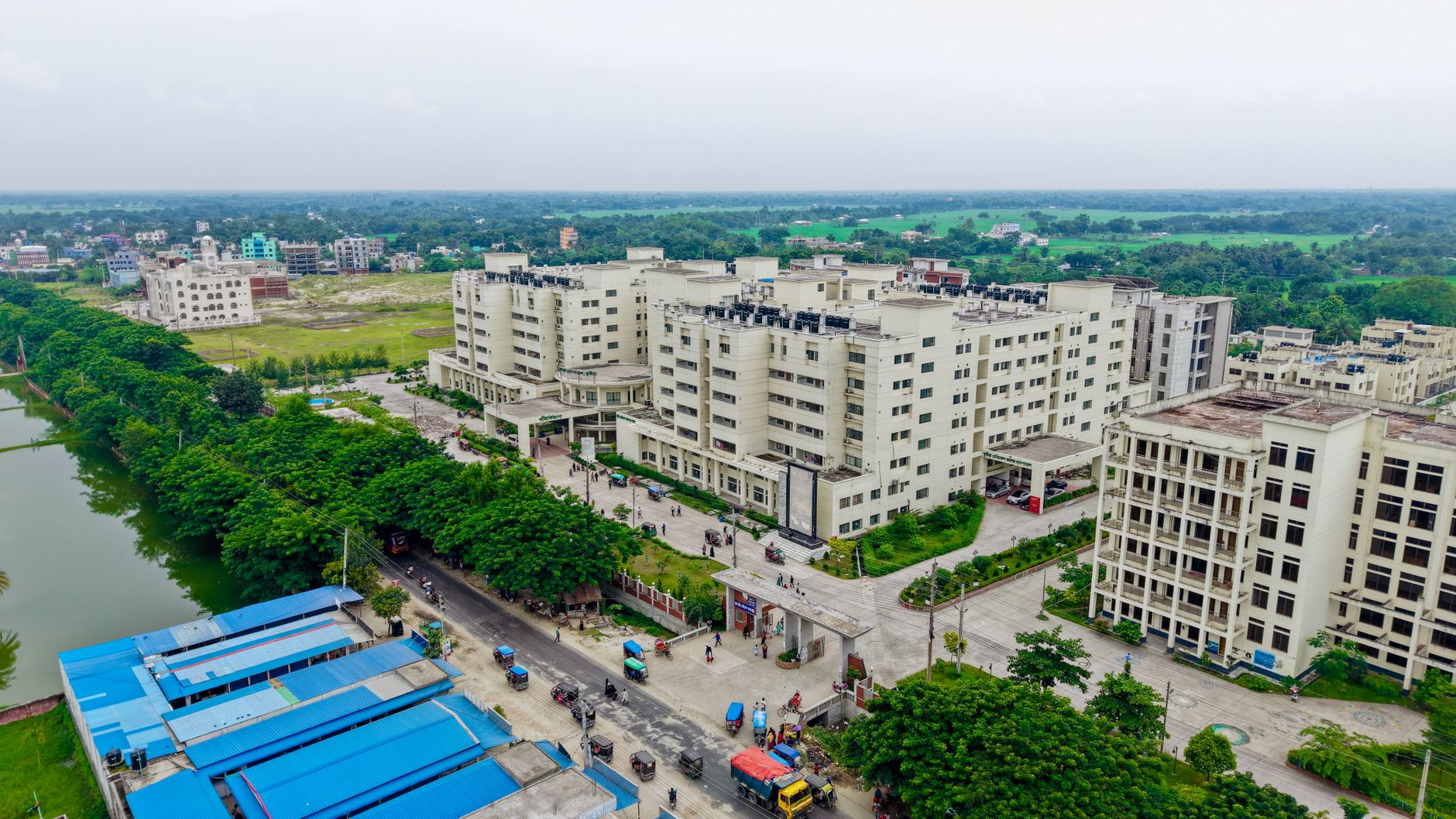
Germany has emerged as a top destination for Indian students pursuing higher education, with universities reporting a staggering 370% increase in applications from India. This dramatic surge is primarily fueled by growing interest in Master of Science programs in Artificial Intelligence, Machine Learning, and related technology fields, as students seek to position themselves in one of the world's fastest-growing career sectors.
Why Germany Attracts Indian Students
Several factors make Germany an attractive alternative to traditional destinations like the United States, United Kingdom, and Australia. The country's public universities charge minimal or no tuition fees, even for international students, making quality education accessible without accumulating massive debt. Most students pay only administrative fees ranging from 250 to 350 euros per semester.
Germany's robust economy and thriving technology sector offer excellent post-graduation employment opportunities. The country has relaxed its immigration policies for skilled workers, allowing international graduates to stay for 18 months after completing their studies to find employment. Once employed, the pathway to permanent residency becomes considerably smoother than in many other countries.
The AI and Technology Boom
The global demand for AI professionals has created unprecedented career opportunities. Germany, as Europe's largest economy and a leader in automotive engineering, manufacturing, and technology innovation, is investing heavily in AI research and development. Companies like SAP, Siemens, Bosch, and numerous startups are actively recruiting AI and machine learning specialists.
Master's programs in AI typically cover deep learning, neural networks, natural language processing, computer vision, and robotics. German universities like Technical University of Munich, RWTH Aachen, and the University of Stuttgart have established strong reputations in these fields, combining academic rigor with industry partnerships that provide practical experience.
Graduates with AI specializations command competitive salaries globally. In Germany, entry-level AI engineers can expect annual salaries between 50,000 to 70,000 euros, with experienced professionals earning significantly more. The skills are transferable worldwide, giving graduates flexibility in their career paths.
Application Process and Requirements
Indian students applying to German universities must meet specific academic requirements. Most Master's programs require a relevant bachelor's degree with a strong academic record, typically a minimum CGPA of 7.0 to 8.0 on a 10-point scale, depending on the university's competitiveness.
Language requirements vary by program. While many Master's courses, especially in technology and AI, are offered entirely in English, students must demonstrate proficiency through IELTS or TOEFL scores. Some universities also offer German-taught programs, requiring TestDaF or DSH certification.
The application timeline typically runs through uni-assist, a centralized processing platform for international applications. Winter semester applications usually close in July, while summer semester deadlines fall in January. However, deadlines vary by university and program.
Practical Considerations
Living costs in German cities vary considerably. Students typically need between 850 to 1,200 euros monthly for accommodation, food, transportation, and personal expenses. Cities like Munich and Frankfurt are more expensive, while Leipzig, Dresden, and smaller university towns offer more affordable living.
International students can work part-time during their studies, up to 120 full days or 240 half days per year. This helps offset living expenses and provides valuable work experience. Many students find working student positions (Werkstudent) in their field of study, which offer relevant experience and networking opportunities.
Challenges and Adaptations
Despite the attractive prospects, students face certain challenges. Adapting to German culture and potentially learning the language can be demanding. While English is widely spoken in academic and professional environments, basic German skills significantly improve daily life and employment prospects.
The competitive nature of AI programs means admission is not guaranteed despite meeting minimum requirements. Universities receive far more applications than available spots, making strong academic records, relevant experience, and well-crafted motivation letters essential.
Long-term Career Prospects
Germany's strategic position in Europe provides graduates access to the broader European job market. The country's emphasis on work-life balance, strong workers' rights, and comprehensive social benefits makes it attractive for long-term settlement. India's growing technology partnership with European nations further enhances career opportunities for graduates who can bridge both markets.
The 370% increase in applications reflects a broader trend of Indian students diversifying their study-abroad choices, seeking value, career prospects, and quality of life beyond traditional destinations.