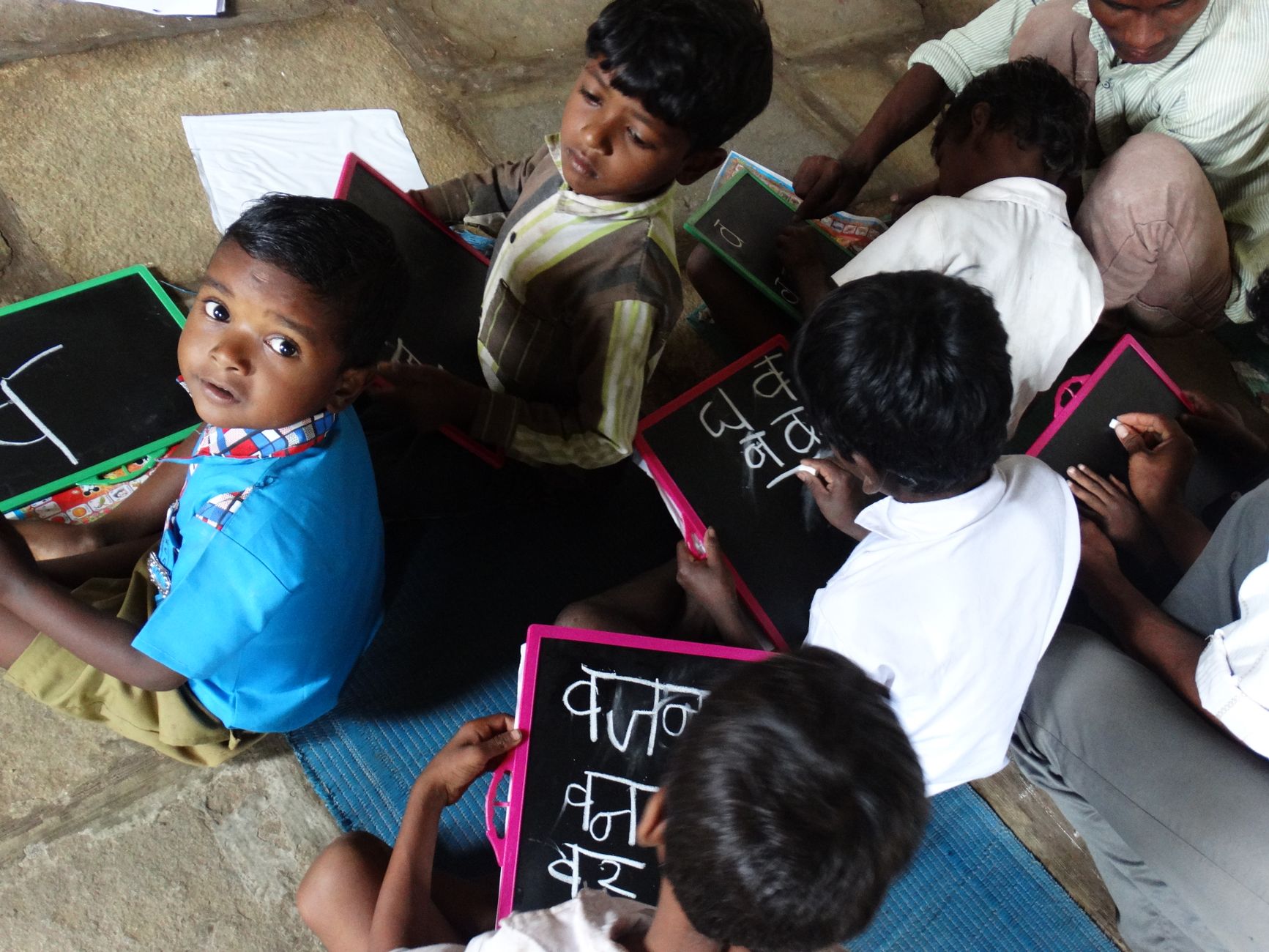
Corporate Social Responsibility (CSR) has emerged as a powerful vehicle for social change in India, particularly in the education sector where rural schools continue to face significant challenges. The collaboration between companies like FIMER India and grassroots organizations demonstrates how strategic partnerships can address critical gaps in educational infrastructure and quality.
The State of Rural Education in India
Rural schools across India serve approximately 65% of the country's school-going children, yet they consistently lag behind urban institutions in terms of resources, teacher quality, and learning outcomes. Many rural schools struggle with inadequate infrastructure, including lack of proper classrooms, sanitation facilities, libraries, and digital learning tools. The COVID-19 pandemic further widened this divide, as rural students faced greater difficulties accessing online education due to limited internet connectivity and device availability.
Teacher shortages and high student-teacher ratios remain persistent problems in rural areas. According to various educational surveys, many rural schools operate with untrained or under-qualified teachers, and single-teacher schools are still common in remote regions. These challenges collectively contribute to higher dropout rates and lower learning achievement levels among rural students.
Understanding CSR in Indian Education
The Companies Act 2013 mandates that qualifying companies spend at least 2% of their average net profits from the preceding three years on CSR activities. Education and skill development feature prominently among the prescribed CSR activities, making the sector a natural focus for corporate intervention.
Companies can contribute to education through various means including infrastructure development, teacher training programs, scholarship schemes, digital literacy initiatives, and support for vocational training. The most effective CSR programs typically involve sustained engagement rather than one-time donations, with measurable outcomes and community participation.
The Role of Implementation Partners
Organizations like Aapat-Sahaaya Foundation serve as crucial implementation partners for corporate CSR initiatives. These non-governmental organizations bring grassroots expertise, established community networks, and experience in executing educational programs in challenging rural contexts. They help bridge the gap between corporate resources and on-ground realities, ensuring that interventions are culturally appropriate and sustainable.
Implementation partners typically handle needs assessment, program design, community mobilization, monitoring, and impact evaluation. Their involvement helps companies navigate local complexities and ensures that CSR investments translate into meaningful educational improvements rather than remaining superficial interventions.
Key Components of Successful Rural Education CSR Programs
Effective CSR initiatives in rural education typically address multiple dimensions simultaneously. Infrastructure improvement remains fundamental, including construction or renovation of classrooms, provision of furniture, installation of toilets, and creation of libraries or computer labs.
Quality enhancement programs focus on teacher capacity building through training workshops, introduction of innovative teaching methods, and provision of teaching-learning materials. Many initiatives now incorporate digital tools, providing tablets, smart boards, or computer systems along with necessary training for their effective utilization.
Student support components may include scholarships for economically disadvantaged children, particularly girls, provision of uniforms and textbooks, mid-day meal support, and remedial education programs. Some initiatives also address broader community needs like adult literacy or vocational training for youth who have discontinued formal education.
Measuring Impact and Ensuring Sustainability
The true measure of CSR success lies not in inputs but in tangible improvements in learning outcomes and educational access. Progressive companies and their implementation partners establish clear metrics including enrollment rates, attendance patterns, learning achievement scores, dropout rates, and teacher satisfaction levels.
Sustainability remains a critical consideration. Effective programs build local capacity, involve community members in program governance, and create systems that can continue functioning after direct corporate support ends. This might involve training local teachers who remain in the community, creating school management committees with active parent participation, or establishing maintenance systems for infrastructure and equipment.
The Broader Ecosystem Effect
When corporations invest meaningfully in rural education, the benefits extend beyond immediate beneficiaries. Improved schools can catalyze broader community development, as educated youth bring new skills and perspectives to local economies. Girls' education in particular creates multiplier effects across health, economic participation, and social indicators.
These initiatives also help shift community attitudes toward education, demonstrating its value and possibility even in resource-constrained environments. Success stories from one village often inspire neighboring communities to demand similar improvements, creating positive pressure on government systems to enhance their own service delivery.
Corporate involvement in rural education, when executed thoughtfully with appropriate partners, represents a win-win proposition—companies fulfill their social obligations while contributing to building India's human capital in communities that need it most.