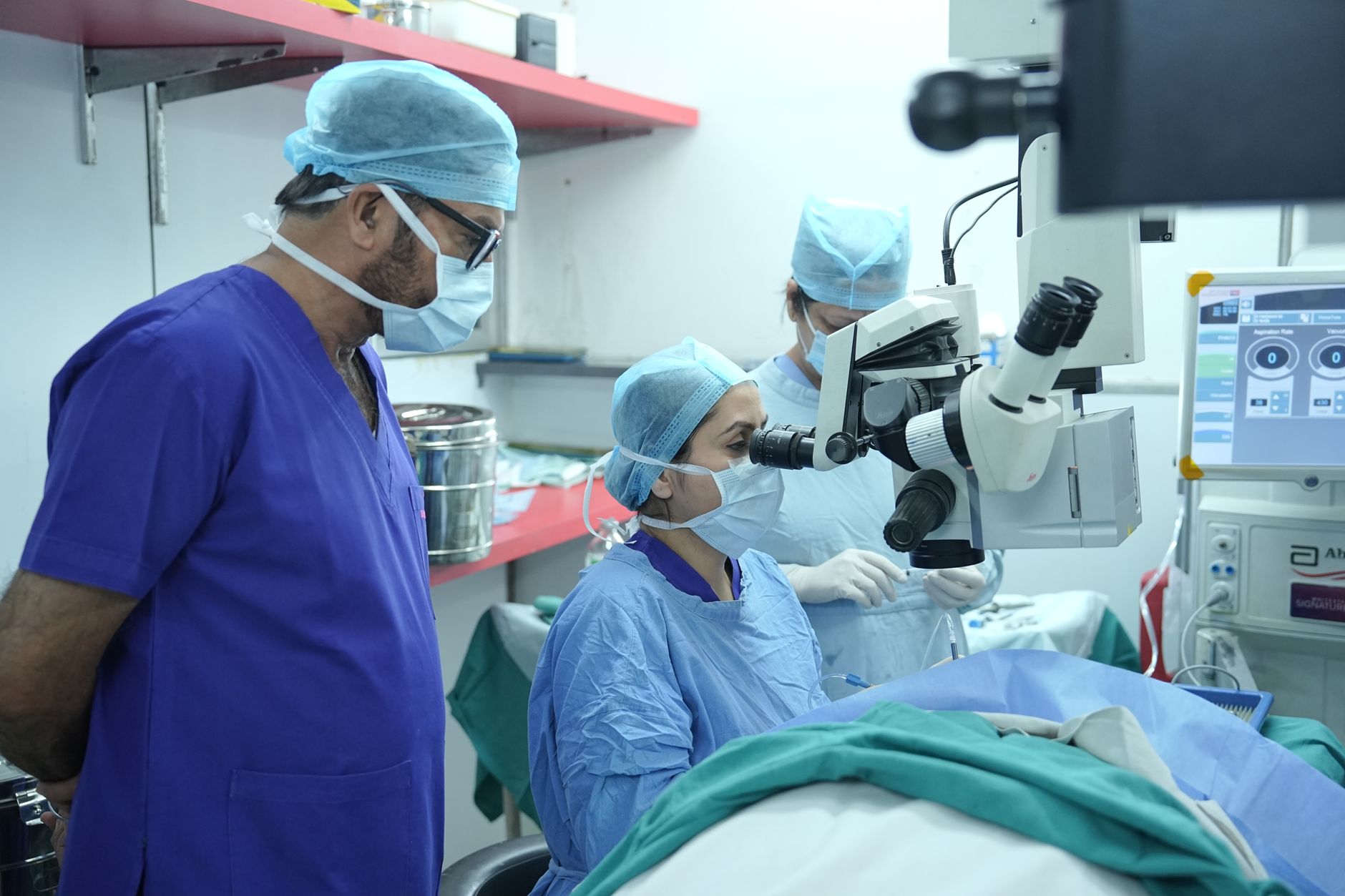
When Indian athletes compete on the world stage, they're backed by more than just coaches and support staff. A dedicated team of medical professionals works tirelessly behind the scenes to ensure that illness and injury don't derail years of preparation and training. Dr. Dinshaw Pardiwala, a leading figure in Indian sports medicine, has shed light on the extensive health protocols implemented during major international events.
The Challenge of International Competition
Athletes traveling abroad for competitions face numerous health risks that could compromise their performance. Exposure to new environments, different climates, unfamiliar foods, and close quarters with competitors from around the world creates a perfect storm for illness transmission. Even a minor bout of flu at the wrong time can end an athlete's medal hopes after years of dedicated training.
The stakes are particularly high at multi-sport events like the Commonwealth Games, where hundreds of athletes live in close proximity in the Games Village. A single case of flu or food poisoning can potentially spread rapidly through an entire contingent if proper preventive measures aren't in place.
Preventive Measures Start Before Departure
India's sports medicine teams don't wait until athletes arrive at competition venues to begin their work. The health shield begins weeks or even months before departure, with comprehensive health screenings, vaccinations, and education programs for athletes and support staff.
Athletes receive guidance on maintaining hygiene, recognizing early symptoms of illness, and understanding when to seek medical attention. This proactive approach helps create a culture of health awareness within the contingent, where everyone takes responsibility for preventing disease transmission.
Multi-Layered Health Protocols
The medical strategy at international competitions typically includes several layers of protection. Regular health monitoring ensures that any signs of illness are caught early, before they can spread to other team members. Athletes may undergo daily temperature checks and health assessments to identify potential issues quickly.
Environmental controls in living and training spaces help minimize exposure to pathogens. This can include maintaining proper ventilation, ensuring clean water supplies, and establishing protocols for food safety. Medical teams often work closely with local health authorities and Games organizers to ensure accommodation and training facilities meet stringent health standards.
Nutrition and Hydration Management
Proper nutrition plays a crucial role in maintaining immune function and preventing illness. Medical and nutrition teams carefully oversee what athletes eat, often bringing familiar foods from home and establishing controlled meal preparation areas. This reduces the risk of foodborne illness while ensuring athletes receive the proper nutrients needed for peak performance.
Hydration protocols are equally important, particularly when athletes compete in different climates. Dehydration can compromise immune function and increase susceptibility to illness, making proper fluid intake a key preventive measure.
Rapid Response Capabilities
Despite the best preventive measures, medical teams must be prepared to respond quickly when health issues arise. This requires having appropriate medications, diagnostic equipment, and treatment facilities readily available. Medical staff maintain 24-hour availability to address any health concerns that emerge.
Isolation protocols are established in advance so that any athlete who does fall ill can be separated from the rest of the contingent to prevent spread. This allows for proper treatment while protecting the health of other team members.
The Broader Impact on Performance
The benefits of comprehensive health management extend beyond just preventing illness. Athletes who feel confident in the medical support available to them can focus entirely on their performance without health-related anxiety. Knowing that expert medical professionals are monitoring their wellbeing allows athletes to compete at their best.
Furthermore, the experience and data gathered from managing athlete health at major competitions helps improve protocols for future events. Each Games provides learning opportunities that strengthen India's sports medicine capabilities and benefit athletes at all levels.
Looking Forward
As international sports competitions continue to evolve, so too must the medical strategies that support athlete health. The lessons learned from managing health risks at events like the Commonwealth Games contribute to the development of more sophisticated and effective protocols.
The commitment to keeping athletes healthy represents an investment in India's sporting success. By ensuring that illness doesn't prevent talented athletes from competing at their best, comprehensive health management programs help maximize the return on years of training and preparation.
This article is for general informational purposes only and should not be considered medical advice. Athletes and individuals should consult qualified healthcare professionals for specific health concerns and guidance.