India's tryst with computer education began in an era when technology and tradition collided in the most unexpected ways. The arrival of the country's first educational computer on a bullock cart stands as a powerful metaphor for India's developmental journey—embracing modernity while navigating infrastructural challenges.
The Dawn of Computer Education in India
During the 1980s, computers were largely confined to research institutions, government departments, and select corporate offices. The idea of introducing computers into schools was revolutionary, almost futuristic. Personal computers were expensive imports, and the concept of computer literacy for students was in its infancy globally, let alone in India.
The introduction of educational computing faced multiple hurdles. Infrastructure was limited, trained teachers were scarce, and electricity supply in many areas was unreliable. Yet, visionary educators and policymakers recognized that computer literacy would be essential for India's future workforce.
The Symbolic Journey
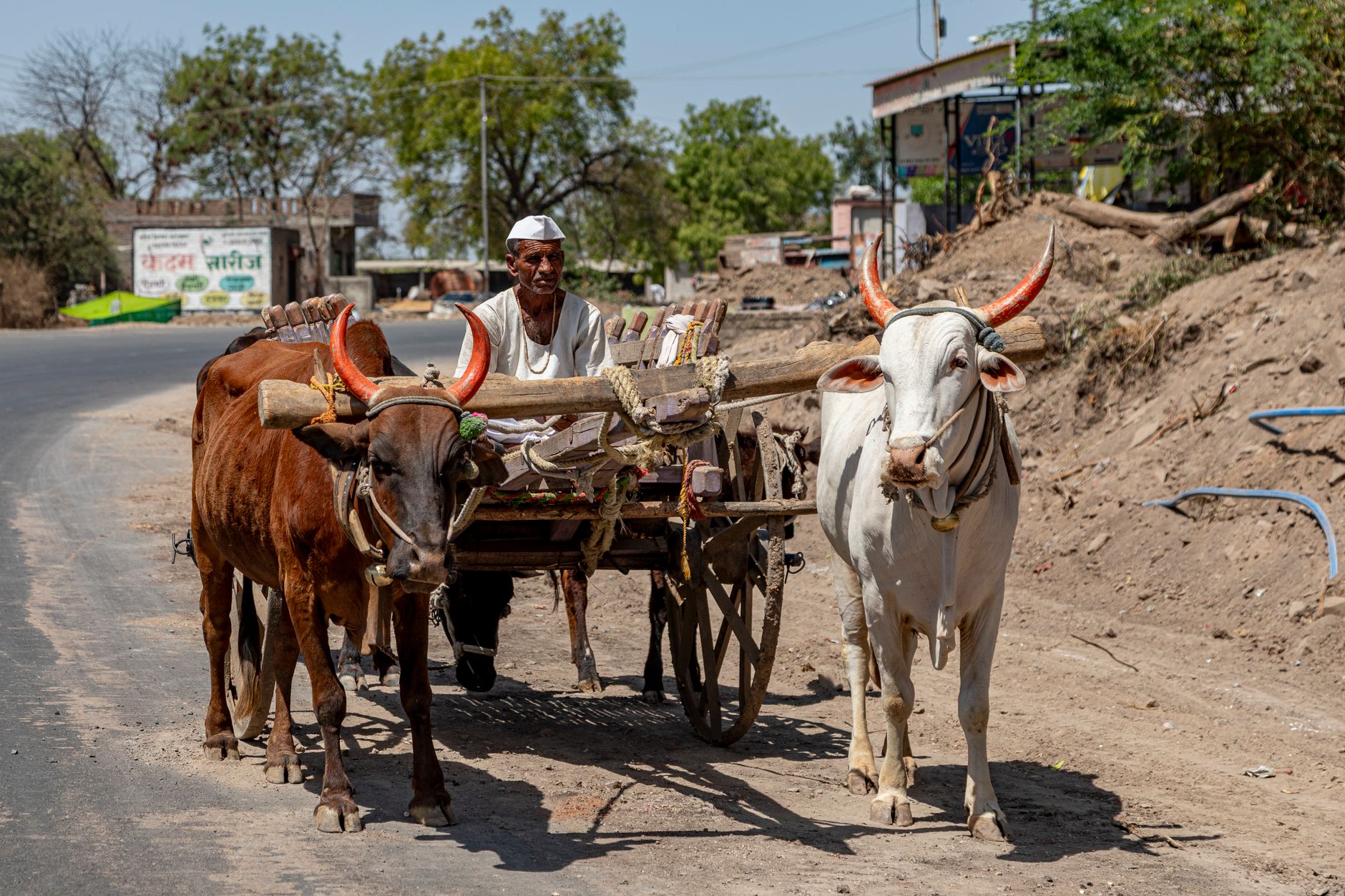
The image of a sophisticated computer arriving on a bullock cart encapsulates the contradictions of India's modernization. Bullock carts, traditional modes of transport used for centuries in rural India, became the unlikely carriers of technology that would shape the future. This journey likely occurred because the destination—perhaps a school in a semi-urban or rural area—lacked proper road connectivity for modern vehicles.
This mode of transportation was not chosen for its symbolism but out of necessity. Many educational institutions, particularly those in smaller towns and villages, were accessible only through unpaved roads or narrow lanes where motorized vehicles couldn't reach. The bullock cart, slow but steady, became the bridge between India's past and future.
Pioneers of Computer Education
Several initiatives in the 1980s aimed to bring computer education to Indian schools. The government launched programs to introduce computers in secondary schools, though implementation was gradual and uneven. Organizations and educational trusts also played crucial roles in democratizing access to technology.
The challenges were enormous. Each computer cost several lakhs of rupees, equivalent to many times that amount in today's currency. Schools needed to invest in infrastructure—stable electricity, appropriate furniture, climate control for the equipment, and security. Training teachers who had never seen a computer before required extensive programs.
The Broader Context of India's Tech Revolution
This humble beginning contrasts sharply with India's current position as a global technology hub. The country that once transported computers on bullock carts now produces millions of IT professionals annually and houses offices of every major technology company.
The story highlights several important aspects of India's development model:
- Adaptability and resourcefulness in overcoming infrastructure limitations
- Commitment to education despite economic constraints
- Willingness to embrace new technologies even when basic amenities were lacking
- The coexistence of traditional and modern systems during transitional periods
Impact on Educational Philosophy
The early adoption of computer education, despite practical difficulties, reflected a forward-thinking approach. Educators understood that familiarity with computers would become essential, even if the immediate utility wasn't obvious to everyone. Students who learned basic programming on those early machines—often with limited memory and processing power—developed problem-solving skills that served them throughout their careers.
Many of India's current technology leaders and entrepreneurs had their first computer experiences in school labs equipped during these pioneering years. The psychological impact of having access to technology, even limited access, cannot be understated.
Lessons for Modern Education
This historical episode offers valuable lessons for contemporary educational initiatives. Technology integration in education continues to face challenges—now with digital literacy programs, tablet distribution schemes, and online learning platforms. The COVID-19 pandemic exposed significant digital divides, reminding us that the journey toward universal tech access remains incomplete.
The bullock cart story teaches us that perfect conditions aren't prerequisites for progress. Innovation often requires working with available resources, adapting solutions to local contexts, and maintaining vision despite obstacles.
Legacy and Continuing Challenges
While India has made tremendous strides in technology education, disparities persist. Urban-rural divides in educational technology access remain significant. However, the spirit that brought that first computer to students—regardless of the transportation method—continues to inspire efforts to bridge these gaps.
The journey from bullock carts to broadband represents more than technological advancement; it reflects India's determination to prepare its youth for a globalized, digital future while honoring its roots and working within its unique constraints.