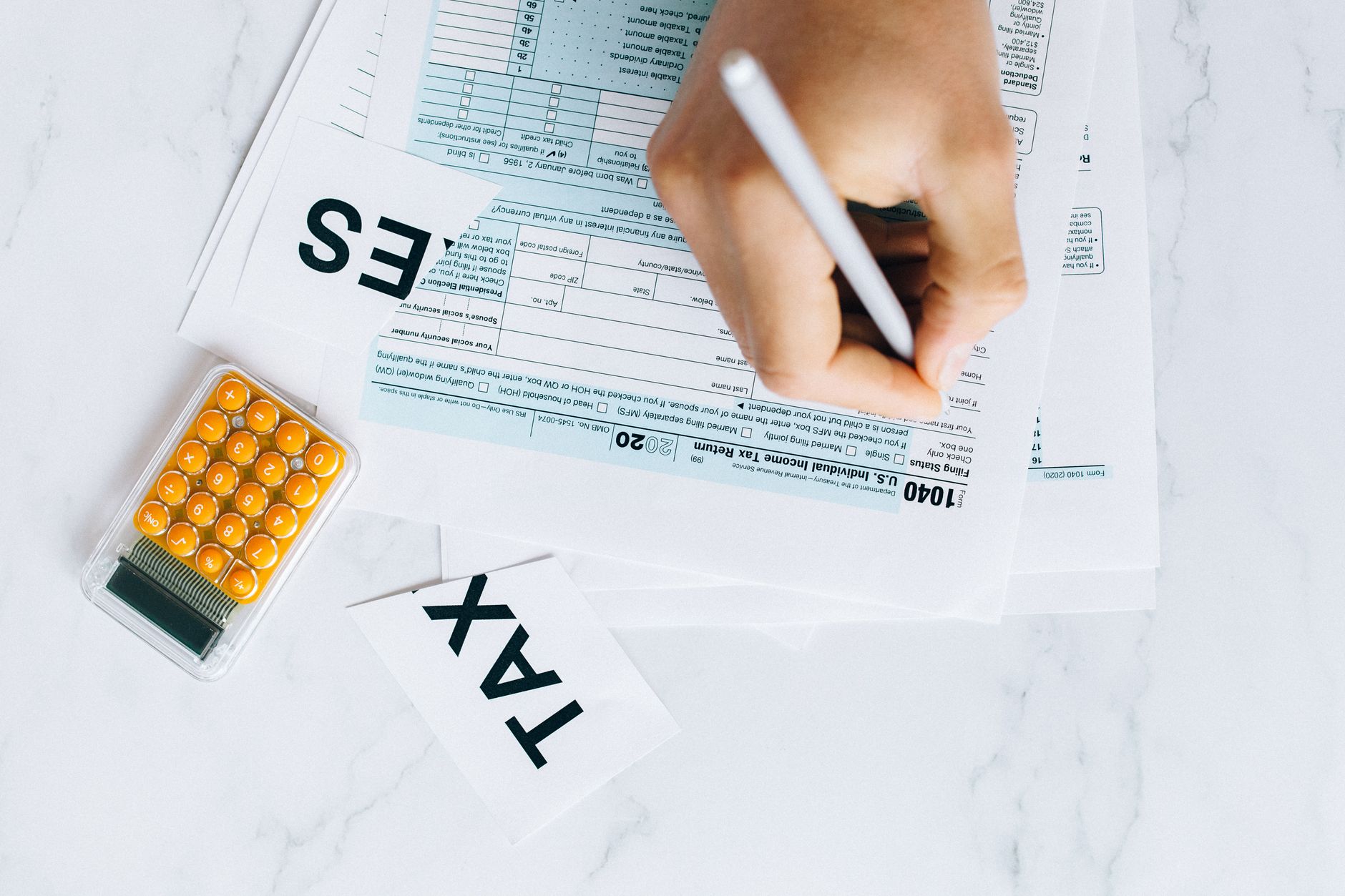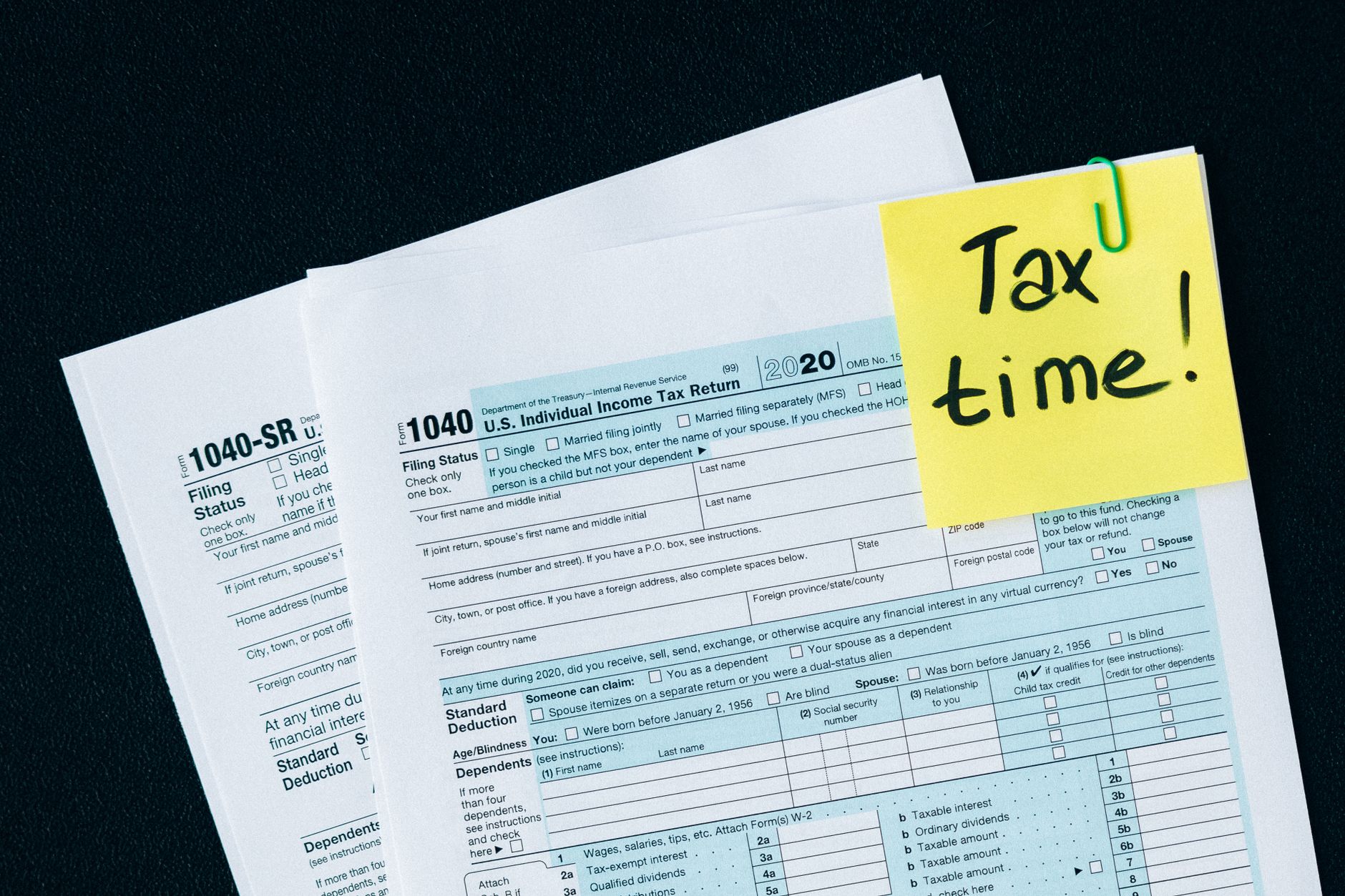
Income tax refunds are a common occurrence for salaried individuals, professionals, and businesses who have paid more tax than their actual liability. Understanding how to claim and track your refund ensures you receive your money without unnecessary delays.
Understanding Income Tax Refunds
An income tax refund arises when the total tax you've paid during a financial year exceeds your actual tax liability. This typically happens through excess Tax Deducted at Source (TDS) by employers or banks, advance tax payments that exceed the final liability, or self-assessment tax paid in error. The Income Tax Department processes these refunds after you file your income tax return and the assessment is completed.
Who Is Eligible for a Tax Refund
Several scenarios make you eligible for an income tax refund. Salaried employees often receive refunds when their employer deducts TDS based on projected annual income, but actual income falls short due to job changes, unpaid leave, or loss of pay. Taxpayers who claim deductions under Section 80C, 80D, or other provisions after TDS has been deducted also become eligible. Senior citizens receiving interest income with TDS deducted may claim refunds if their total income falls below the taxable threshold. Additionally, businesses paying advance tax based on estimated profits may receive refunds if actual profits are lower.
How to Claim Your Income Tax Refund
The process of claiming a refund begins with filing your income tax return accurately and on time. Here's the step-by-step process:
- Log in to the income tax e-filing portal using your PAN and password
- Select the appropriate ITR form based on your income sources
- Fill in all income details, including salary, interest, capital gains, and other sources
- Enter all TDS details as reflected in Form 26AS or Annual Information Statement
- Claim applicable deductions and exemptions under various sections
- Ensure your bank account is pre-validated on the portal for direct credit
- Verify your return using Aadhaar OTP, net banking, or by sending a signed ITR-V
The refund claim is automatically generated when your return shows excess tax paid. The system calculates the refund amount based on the difference between tax paid and actual liability.
Pre-Validation of Bank Account
One critical requirement for receiving refunds is pre-validating your bank account on the income tax portal. Without this, refunds cannot be credited. To validate your account, navigate to the profile settings on the e-filing portal, add your bank account details including account number and IFSC code, and confirm through a small test transaction or penny drop verification. The process usually takes 24-48 hours for activation.
Tracking Your Refund Status
Once you've filed your return, tracking your refund status is straightforward through multiple channels:
The income tax e-filing portal provides the most detailed tracking. Log in and check the dashboard or view the specific return filed. The status will show whether your return is processed and refund initiated.
You can also track refunds through the NSDL website without logging in. Visit the NSDL refund status page, enter your PAN, assessment year, and captcha code to view the current status. This shows whether the refund has been sent to your bank and the mode of payment.
The status typically progresses through several stages including return filed, return processed, refund approved, and refund sent to bank. The entire process from filing to credit usually takes 20-45 days for electronically verified returns.
Common Reasons for Refund Delays
Several factors can delay your refund. Mismatched bank account details, unverified returns, discrepancies in TDS claims versus Form 26AS, and pending tax demands from previous years often cause delays. Technical issues like incorrect IFSC codes or closed bank accounts also prevent successful credit. If your refund is delayed beyond 60 days, you may be entitled to interest on the delayed amount.
What to Do If Refund Is Not Received
If your refund shows as paid but hasn't been credited, first verify your bank account details on the portal. Contact your bank to confirm whether any credits were rejected. You can also file a grievance on the e-filing portal or contact the Centralized Processing Center through their toll-free number. Keep your acknowledgment number handy when raising complaints.
Interest on Delayed Refunds
The Income Tax Department pays interest on delayed refunds at a rate determined annually. This interest is calculated from April 1st of the assessment year until the date of refund grant. The interest is automatically calculated and credited along with the refund amount.
This article provides general information about income tax refunds and should not be considered as professional tax advice. Tax laws and procedures may change, and individual circumstances vary. Consult a qualified tax professional or chartered accountant for advice specific to your situation.