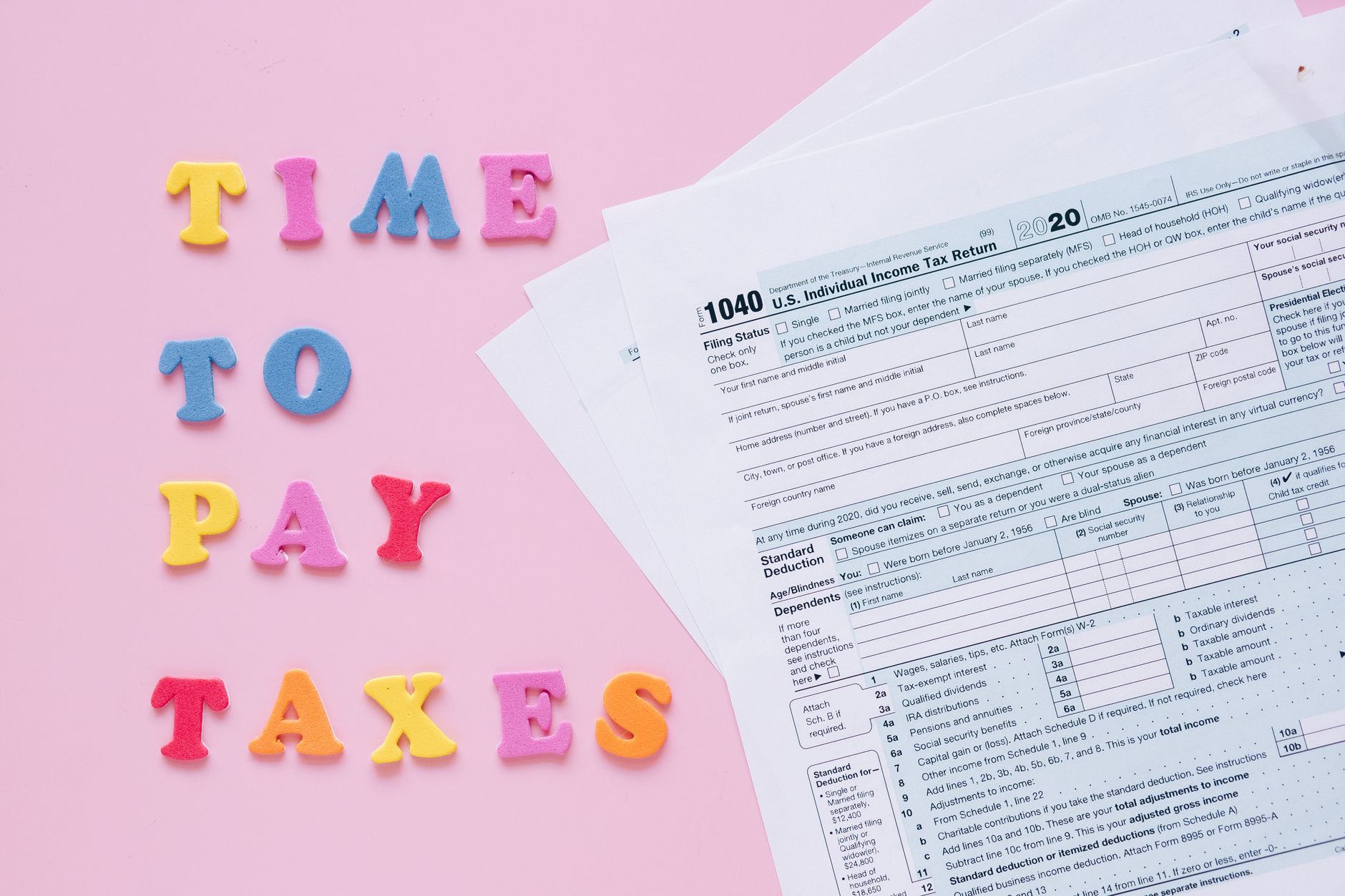
The Ministry of Finance has officially notified the Income Tax Rules 2026, marking a significant overhaul of the tax compliance framework in India. Set to come into effect from April 1, 2025, these new rules represent the government's continued efforts to modernize tax administration, reduce litigation, and make compliance easier for taxpayers across the country.
What Are Income Tax Rules?
Income Tax Rules are subordinate legislation that provide detailed procedures and mechanisms for implementing the provisions of the Income Tax Act, 1961. While the Act itself lays down the broad framework of taxation, the Rules specify the practical aspects such as forms to be filed, procedures to be followed, documentation requirements, and timelines for various compliance activities.
The existing Income Tax Rules, 1962, have been amended numerous times over the decades to keep pace with changing economic conditions and policy priorities. The notification of Income Tax Rules 2026 represents a comprehensive consolidation and update of these provisions.
Key Objectives of the New Rules
The Income Tax Rules 2026 have been designed with several core objectives in mind:
- Simplification of compliance procedures for individual and corporate taxpayers
- Alignment with digital tax administration initiatives
- Reduction in paperwork and physical documentation requirements
- Clearer guidelines to minimize disputes and interpretation issues
- Faster processing of returns and refunds
- Enhanced transparency in tax administration
Expected Changes in the New Compliance Regime
While the complete details of the Income Tax Rules 2026 will become clearer as the government releases detailed notifications and circulars, the new compliance regime is expected to incorporate several progressive features based on recent policy directions.
Digital-First Approach
The new rules are likely to emphasize digital compliance, making electronic filing mandatory for more categories of taxpayers and transactions. This includes enhanced use of the income tax portal for communications, assessments, and appeals. The government has been consistently moving toward a faceless, paperless tax administration system, and these rules are expected to further that vision.
Simplified Documentation
One of the persistent complaints from taxpayers has been the extensive documentation required for various claims and compliance activities. The new rules may rationalize documentation requirements, allowing for self-certification in certain cases and reducing the physical submission of documents.
Revised Form Structures
The notification may include updates to various income tax forms, including return forms, assessment forms, and application formats. These revisions typically aim to make forms more user-friendly and reduce the information burden on taxpayers while still capturing essential data for tax administration.
Impact on Different Taxpayer Categories
Individual Taxpayers
Salaried individuals and those with straightforward income sources may see simplified return filing processes. The new rules might introduce streamlined procedures for claiming standard deductions, exemptions, and rebates under various sections of the Income Tax Act.
Business and Professional Taxpayers
Those running businesses or practicing professions may encounter revised rules regarding maintenance of books of accounts, audit requirements, and advance tax calculations. The threshold limits for various compliance requirements might also be updated to reflect current economic conditions.
Corporate Entities
Companies and corporate taxpayers can expect detailed provisions regarding transfer pricing documentation, corporate tax compliance, dividend distribution procedures, and reporting requirements for various transactions.
Implementation Timeline
With the new rules set to take effect from April 1, 2025, which marks the beginning of the financial year 2025-26, taxpayers will need to familiarize themselves with the changes. The first tax returns filed under the new rules will be for the assessment year 2026-27.
The government typically provides transition provisions and grace periods for certain compliance requirements when introducing major changes, allowing taxpayers time to adapt to new procedures.
Preparing for the Transition
Taxpayers should stay informed about the specific provisions of the Income Tax Rules 2026 as detailed notifications and explanatory circulars are released. Consulting with tax professionals, attending awareness programs, and regularly checking the official income tax department website will be essential for smooth compliance under the new regime.
This article provides general information about the Income Tax Rules 2026 based on the notification announcement. Taxpayers should consult qualified tax professionals or refer to official government notifications for specific guidance on their individual tax situations. Tax rules and regulations are subject to change, and compliance requirements may vary based on individual circumstances.