In a significant development that highlights the power of student activism in India, Education Minister Dharmendra Pradhan resigned from his position following sustained protests over alleged examination irregularities and policy failures. The resignation brought an end to demonstrations that had seen students adopt creative protest tactics and demand accountability in the country's education system.
Background of the Protests
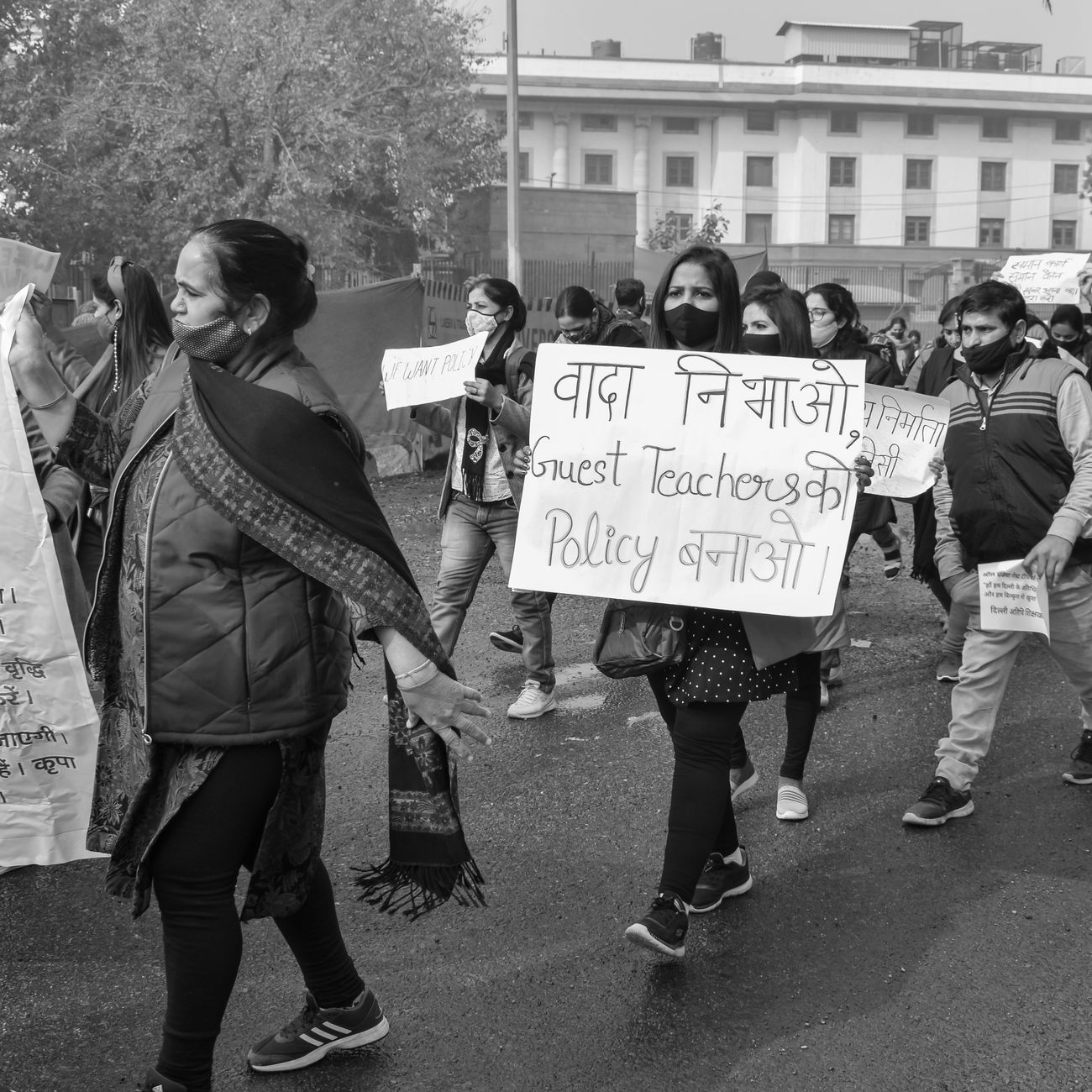
Student unions and exam aspirants across India had been staging protests for several weeks, expressing frustration over a series of issues plaguing the education sector. The demonstrations gained particular attention due to the protesters' resilience and their adoption of the term "cockroach" protesters, a reference to their determination to persist despite attempts to disperse them, much like the insect's legendary survival capabilities.
The protests were triggered by multiple factors, including allegations of paper leaks in competitive examinations, delays in result declarations, and concerns about the implementation of various educational reforms. These issues particularly affected students preparing for high-stakes examinations that determine admission to prestigious institutions or government job opportunities.
Key Demands of the Protesters
The student activists had articulated several clear demands throughout their campaign. Primary among these was accountability for examination irregularities that had affected lakhs of students across the country. Many aspirants had invested years of preparation and significant financial resources, only to see their efforts undermined by alleged systemic failures.
Additional demands included:
- Immediate investigation into paper leak allegations and prosecution of those responsible
- Compensation or re-examination opportunities for affected students
- Reforms to examination security protocols to prevent future irregularities
- Greater transparency in the conduct and evaluation of competitive exams
- Consultation with student representatives before implementing major policy changes
The Political Fallout
Dharmendra Pradhan's resignation marks a rare instance of a senior minister stepping down in response to sustained public pressure over policy matters. The Education portfolio is considered crucial given India's large student population and the central role that competitive examinations play in social mobility and career advancement.
The minister had faced mounting criticism not only from opposition parties but also from within the ruling coalition, as the examination controversies threatened to become a broader political liability. The protests had gained traction across social media platforms, with hashtags demanding accountability trending regularly and attracting national attention.
Impact on Students and Education System
The immediate impact of the minister's resignation was the calling off of strikes and protests, allowing normal academic activities to resume. However, the incident has raised broader questions about the state of India's examination system and the need for comprehensive reforms.
Students who had participated in the protests expressed cautious optimism that their concerns would now be addressed more seriously. Many pointed out that while the resignation was a symbolic victory, the systemic issues that led to the protests require sustained attention and institutional reforms.
What This Means for India's Education Sector
The episode underscores the growing assertiveness of student communities in demanding accountability from educational authorities. It also highlights the vulnerabilities in India's high-pressure examination system, where the stakes are enormous and any irregularity can affect millions of aspirants.
Going forward, whoever assumes the Education portfolio will face immediate pressure to address the underlying issues that sparked the protests. This includes modernizing examination security infrastructure, potentially exploring alternative assessment methods for certain courses, and rebuilding trust with student communities.
The Path Ahead
The government has indicated that it will announce measures to address examination security concerns and investigate the specific allegations that triggered the protests. Student organizations have stated they will remain vigilant to ensure that promises made are actually implemented.
Educational experts suggest that this moment could serve as a catalyst for broader reforms in how India conducts competitive examinations, particularly those that determine access to higher education and government employment. The challenge will be implementing changes while maintaining the integrity and credibility of the system.
The resignation also sets a precedent for ministerial accountability in response to citizen activism, potentially encouraging similar movements in other sectors where public grievances have gone unaddressed. As India continues to position itself as a knowledge economy, ensuring a fair and transparent education system remains critical to its future development.