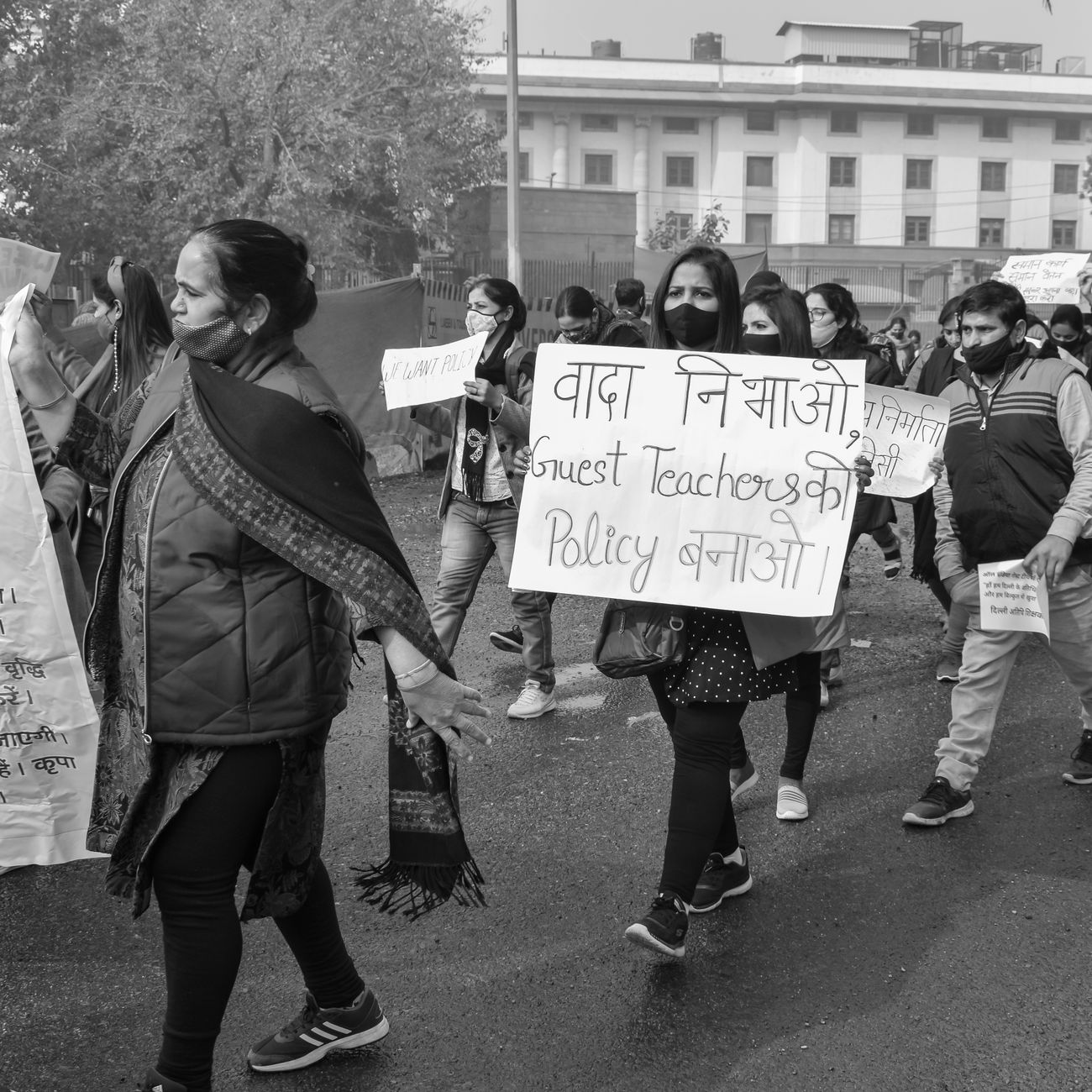
In a significant political development, India's education minister has tendered his resignation after facing weeks of intense protests from students across the nation. The demonstrations, which came to be known as the 'Cockroach' protests, represent the culmination of growing frustration among students and educational stakeholders over examination policies, alleged irregularities, and broader concerns about the education system.
The Protests That Shook the Ministry
The student-led movement gained momentum through a combination of street demonstrations and social media campaigns. The unusual moniker 'Cockroach' protests appears to have been adopted by students to symbolize their persistence and resilience in demanding accountability from educational authorities. Like the insect that survives in harsh conditions, protesters emphasized their determination to continue agitating until their demands were met.
These protests were not isolated incidents but part of a broader pattern of student activism in India, where young people have increasingly taken to the streets to voice concerns about educational policies, examination irregularities, and career opportunities.
Key Issues Driving Student Anger
Several factors contributed to the sustained nature of these protests. Examination-related controversies have been a recurring theme in Indian education, with students frequently raising concerns about paper leaks, evaluation processes, and the one-size-fits-all approach to testing that affects millions of young people annually.
The Indian education system serves over 250 million students, making it one of the largest in the world. Any policy decision or administrative failure has far-reaching consequences, affecting not just individual students but entire families who invest heavily in their children's education.
Recent years have seen multiple instances of examination papers being leaked before scheduled tests, forcing re-examinations and creating uncertainty for students who spend months preparing. The National Eligibility cum Entrance Test (NEET) and other competitive examinations have been particular flashpoints, with allegations of irregularities leading to protests and legal challenges.
The Broader Context of Educational Reform
The resignation comes at a time when India is attempting to implement significant educational reforms through the National Education Policy 2020. This comprehensive framework aims to overhaul the education system from foundational to higher education levels, introducing changes in curriculum, assessment methods, and institutional structures.
However, implementation challenges, coupled with concerns about examination integrity and administrative capacity, have created friction between policymakers and stakeholders. Students have expressed frustration about being caught between ambitious policy visions and ground-level execution failures.
Impact on Students and Stakeholders
For millions of Indian students, examinations are high-stakes events that determine access to prestigious institutions, professional courses, and career opportunities. Any disruption or controversy surrounding these examinations creates immense stress and uncertainty. Parents, teachers, and educational institutions are equally affected when examination systems face credibility challenges.
The protests reflect deeper anxieties about social mobility and economic opportunity in contemporary India. Education remains the primary pathway for upward mobility for many families, particularly those from disadvantaged backgrounds. When the examination system appears compromised, it undermines faith in meritocracy and equal opportunity.
Political Ramifications
A ministerial resignation following sustained protests sends a strong political message. It demonstrates that student activism can drive accountability at the highest levels of government. However, it also raises questions about systemic reforms needed to prevent similar situations in the future.
The resignation may provide temporary relief to protesters, but addressing underlying issues requires comprehensive administrative reforms, investment in examination infrastructure, and transparent processes that can withstand public scrutiny.
The Path Forward
Educational administrators now face the challenge of restoring confidence in the examination system while implementing necessary reforms. This includes strengthening security protocols around examination papers, improving evaluation mechanisms, and ensuring that assessment methods align with contemporary educational goals rather than relying solely on traditional testing formats.
Technology can play a role in making examinations more secure and evaluations more transparent, but it must be implemented thoughtfully to avoid creating new challenges around digital access and equity.
The 'Cockroach' protests serve as a reminder that India's demographic dividend depends significantly on how well the education system serves its young population. With millions of young people entering the job market annually, educational quality and credibility are not just academic concerns but economic and social imperatives.
===END===