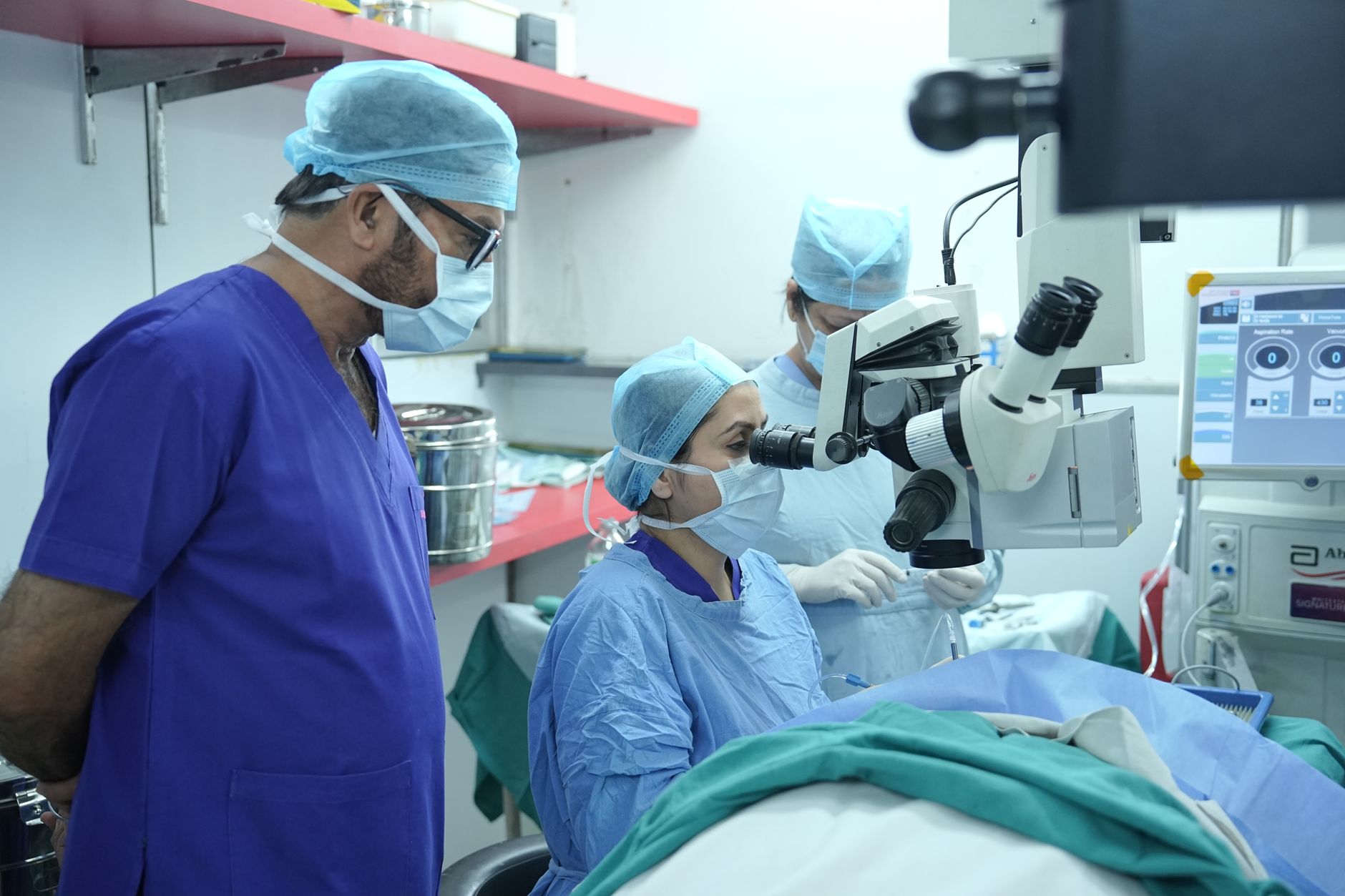
India's healthcare system is undergoing a significant transformation as the country strengthens its commitment to universal health coverage through an integrated approach that combines grassroots community health initiatives with cutting-edge digital solutions. This dual strategy aims to address longstanding challenges of accessibility, affordability, and quality of care, particularly for populations in remote and underserved regions.
The Community Healthcare Foundation
Community health workers have long been the backbone of India's primary healthcare delivery system. Programs like the Accredited Social Health Activist (ASHA) initiative have deployed over one million trained workers across the country, bringing basic health services directly to doorsteps. These frontline workers conduct health screenings, provide maternal and child health guidance, distribute essential medications, and serve as critical links between rural communities and the formal healthcare system.
The government has been expanding these community programs by increasing training, improving compensation structures, and equipping workers with better tools and supplies. Sub-health centers and primary health centers are being upgraded to handle more complex cases and reduce the burden on tertiary care hospitals in cities.
Digital Health Revolution
Parallel to community strengthening, India has embraced digital health technologies at an unprecedented scale. The Ayushman Bharat Digital Mission represents one of the world's most ambitious healthcare digitization efforts, creating a comprehensive digital health ecosystem that connects patients, healthcare providers, and facilities.
Key components of this digital transformation include:
- Unique health identifiers for citizens enabling seamless access to medical records across providers
- National digital health registries for doctors, hospitals, and pharmacies
- Electronic health records systems that allow continuity of care
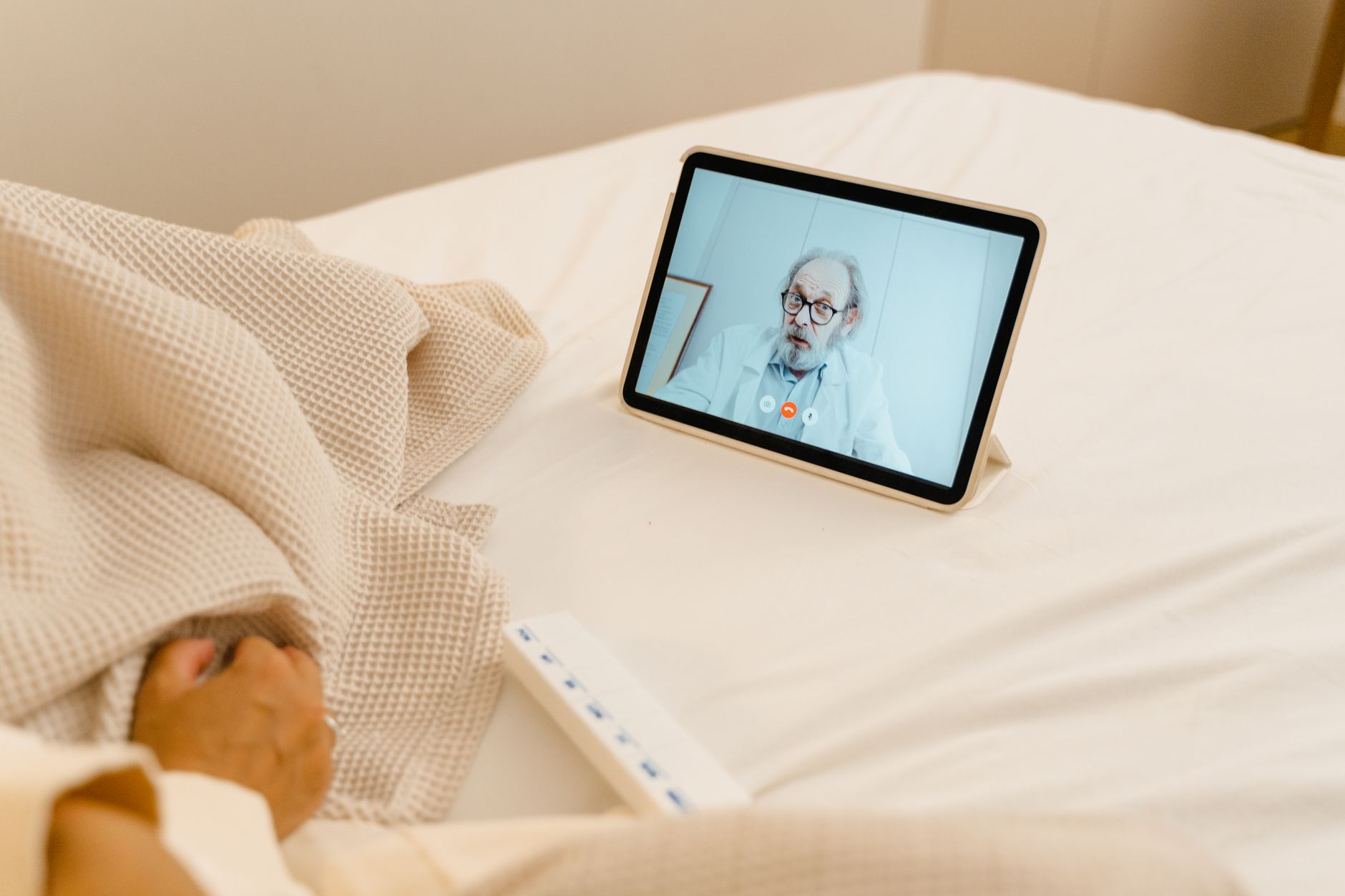
- Telemedicine platforms connecting rural patients with specialists in urban centers
- Mobile health applications providing health information and appointment booking
Bridging the Urban-Rural Divide
The integration of community and digital services specifically targets India's urban-rural healthcare disparity. While cities have concentrated medical expertise and facilities, over 65 percent of Indians live in rural areas with limited access to quality healthcare. Telemedicine kiosks in villages, equipped with basic diagnostic tools and video conferencing capabilities, allow patients to consult specialists without traveling hundreds of kilometers.
Mobile medical units fitted with digital connectivity are reaching remote tribal and mountainous regions, conducting screenings and maintaining digital health records that can be accessed during follow-up care. This hybrid model ensures that technology complements rather than replaces the human touch essential to effective healthcare delivery.
Addressing Non-Communicable Diseases
As India faces a growing burden of non-communicable diseases like diabetes, hypertension, and cardiovascular conditions, community health workers equipped with smartphones and portable diagnostic devices are conducting systematic screenings. Digital platforms help track patients requiring regular monitoring, send medication reminders, and flag cases needing immediate medical attention.
This proactive, prevention-focused approach marks a shift from the traditional reactive model of healthcare delivery and has the potential to significantly reduce disease progression and complications.
Challenges and Implementation Hurdles
Despite promising developments, several challenges persist. Digital literacy remains limited in many rural areas, requiring simplified interfaces and multilingual support. Internet connectivity issues hamper real-time data exchange in remote locations. Ensuring data privacy and security in a vast digital health ecosystem requires robust governance frameworks.
Additionally, integrating multiple state and central government health schemes under a unified digital platform requires coordination across bureaucratic structures. Healthcare worker training must keep pace with technological advances while maintaining the personal connection that makes community health programs effective.
The Path Forward
The combination of community engagement and digital innovation represents a pragmatic approach suited to India's diverse healthcare needs. Success will depend on sustained investment in infrastructure, continuous training programs, and adaptive policies that respond to ground-level feedback.
As India continues expanding these initiatives, the model may offer valuable lessons for other developing nations seeking to achieve universal health coverage through technology-enabled, community-centered approaches.
This article provides general information about healthcare initiatives in India and should not be considered medical or health policy advice. Readers should consult healthcare professionals for personal medical guidance and official government sources for specific program details and eligibility.