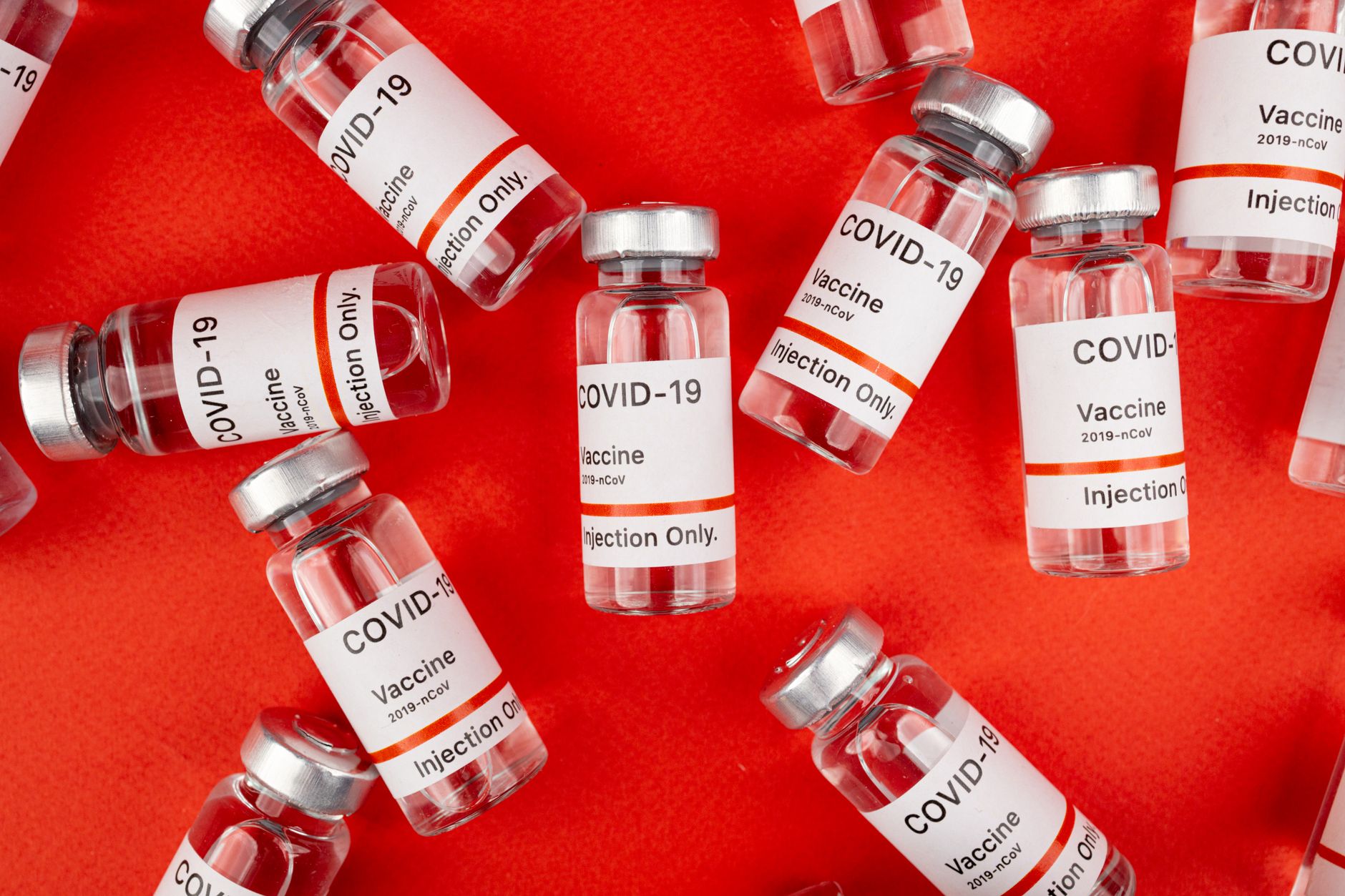
India recently approved its first dengue vaccine, a development that offers hope in the fight against a disease that affects millions annually. However, having a vaccine is only the first step. The real challenge lies in developing and implementing an effective strategy to ensure this medical breakthrough translates into meaningful public health impact.
Understanding India's Dengue Challenge
Dengue fever remains one of India's most serious public health concerns. The mosquito-borne viral infection affects an estimated 100 million people across the country each year, though official figures are often significantly lower due to underreporting. The disease burden is particularly heavy during monsoon seasons when mosquito breeding intensifies.
The illness ranges from mild fever to severe dengue hemorrhagic fever, which can be fatal. Children and elderly populations face higher risks of complications. With climate change extending mosquito habitats and urbanization creating more breeding grounds, dengue cases have shown an upward trend across both urban and rural areas.
The Vaccine Approval Milestone
The approval of a dengue vaccine for India represents years of research and clinical trials. The vaccine targets all four dengue virus serotypes, addressing a key complexity of the disease. Unlike some infections where a single exposure provides immunity, dengue's multiple strains make vaccination particularly valuable, as subsequent infections with different serotypes often prove more severe than the first.
Clinical trials have demonstrated the vaccine's efficacy in preventing symptomatic dengue and reducing hospitalizations. This positions India alongside a select group of countries with access to dengue immunization programs.
Strategic Challenges Ahead
Despite this medical advancement, several critical questions need answers before the vaccine can deliver its full potential.
Identifying Target Populations
India's vast and diverse population requires careful prioritization. Should the vaccine first target high-burden states like Kerala, Tamil Nadu, and West Bengal? Or should age groups most vulnerable to severe outcomes receive priority? Endemic zones with year-round transmission differ from areas with seasonal outbreaks, necessitating different approaches.
Urban slums with poor sanitation and limited healthcare access represent high-risk communities that could benefit immensely, yet these same populations often face barriers to healthcare access. Creating targeted programs for these vulnerable groups requires coordination between health departments, local governments, and community organizations.
Affordability and Accessibility
Pricing will determine whether the vaccine remains confined to private clinics serving affluent populations or reaches those most at risk. The government must decide whether to include dengue vaccination in the Universal Immunization Programme or offer it through a subsidized scheme.
Private sector pricing for similar vaccines globally suggests costs that would be prohibitive for average Indian families. Without government intervention through bulk procurement, price negotiation, or subsidies, the vaccine risks becoming another healthcare intervention that widens rather than narrows health inequities.
Distribution Infrastructure
India's immunization infrastructure, while extensive, faces logistical challenges. The dengue vaccine's storage requirements, dosing schedule, and target age groups must align with existing cold chain capabilities and vaccination workflows. Training healthcare workers to administer and monitor the vaccine, educate communities, and manage adverse events requires systematic planning.
Rural areas with limited healthcare facilities need special attention. Mobile vaccination camps, integration with existing health programs, and innovative last-mile delivery solutions will be essential.
Building Public Awareness
Many Indians lack accurate information about dengue prevention and vaccination. Misconceptions about vaccine safety, doubts about efficacy, and lack of awareness about disease severity can hamper uptake. A comprehensive communication strategy using multiple channels—from traditional media to social platforms—is necessary to build vaccine confidence.
Community health workers, who enjoy public trust, should be equipped to answer questions and dispel myths. Educational campaigns must be culturally sensitive and available in regional languages.
Integration with Vector Control
Vaccination alone cannot eliminate dengue. The strategy must integrate immunization with ongoing mosquito control efforts, sanitation improvements, and community-based prevention programs. A multi-pronged approach combining vaccination, vector control, improved diagnostics, and case management offers the best chance of significantly reducing dengue burden.
Moving Forward
International experiences with dengue vaccination programs offer valuable lessons. Countries like the Philippines, Brazil, and Thailand have navigated similar challenges, providing insights into effective rollout strategies and potential pitfalls to avoid.
India's federal structure requires coordination between central health authorities and state governments. Pilot programs in high-burden areas could provide data to refine strategies before nationwide expansion. Monitoring systems must track vaccination coverage, adverse events, and disease incidence to measure program effectiveness.
**Disclaimer:** This article is for general information purposes only and should not be considered medical advice. Individuals should consult qualified healthcare professionals for guidance regarding dengue vaccination and disease prevention specific to their circumstances.