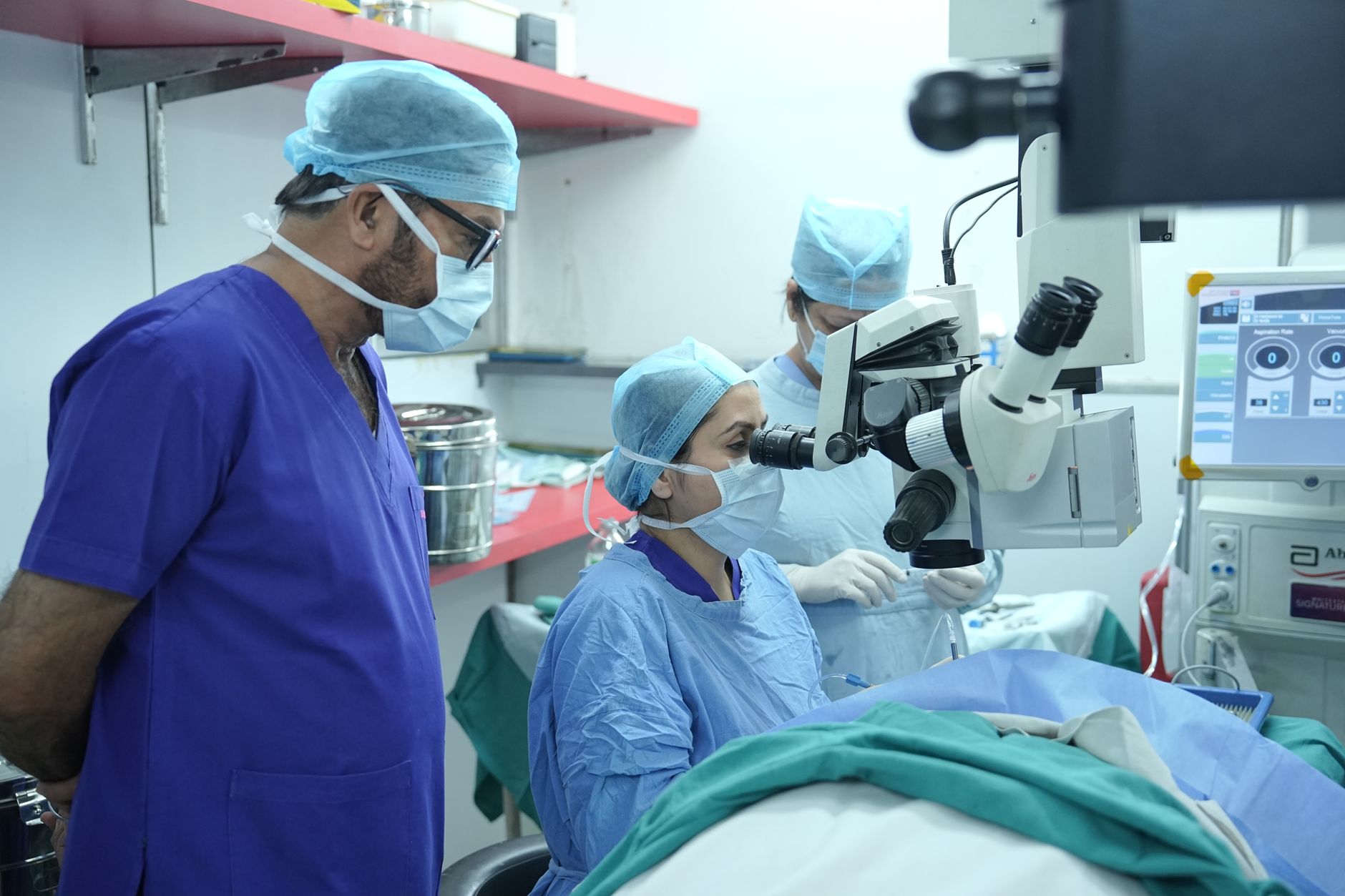
The absence of a comprehensive central database tracking hospital-acquired infections in India has come to light following a parliamentary disclosure by Union Health Minister JP Nadda. This revelation underscores a significant gap in the country's healthcare monitoring infrastructure and raises important questions about patient safety protocols across Indian medical facilities.
Understanding Hospital-Acquired Infections
Hospital-acquired infections, medically termed as healthcare-associated infections or nosocomial infections, are infections that patients contract during their stay in a healthcare facility. These infections were neither present nor incubating at the time of admission. Common types include surgical site infections, urinary tract infections from catheter use, bloodstream infections from intravenous lines, and ventilator-associated pneumonia.
These infections represent a major public health concern globally. According to international health organizations, millions of patients worldwide are affected by healthcare-associated infections annually, leading to prolonged hospital stays, increased healthcare costs, and in severe cases, mortality.
Why Centralized Data Matters
A centralized database for tracking hospital-acquired infections serves multiple critical purposes in a country's healthcare ecosystem. First, it enables health authorities to identify patterns and outbreaks quickly, allowing for rapid intervention. Second, it helps establish benchmarks and standards for infection control practices across different healthcare facilities.
Without such a system, India faces several challenges. There is no uniform way to compare infection rates between hospitals, making it difficult to identify institutions with poor infection control practices. Additionally, the absence of data hampers evidence-based policy formulation for improving patient safety standards nationwide.
Current State of Infection Surveillance
While India may lack a central database, many large hospitals, particularly corporate healthcare chains and teaching institutions, maintain their own infection surveillance systems. These facilities typically have infection control committees that monitor and report infections internally. However, this fragmented approach means data remains siloed within individual institutions.
Some states have initiated their own surveillance programs, but the lack of standardization makes it challenging to create a comprehensive national picture. The disconnect between state-level initiatives and a potential national framework creates gaps in understanding the true burden of hospital-acquired infections in the country.
Global Best Practices
Several developed nations have established robust surveillance systems that India could potentially learn from. The United States operates the National Healthcare Safety Network, which collects data from thousands of medical facilities. European countries participate in coordinated surveillance through the European Centre for Disease Prevention and Control.
These systems have demonstrated that systematic data collection leads to measurable improvements in infection rates. When hospitals know their performance is being monitored and compared, they typically invest more resources in infection prevention and control measures.
Implications for Patient Safety
The lack of centralized tracking has direct implications for patient safety. Without comprehensive data, it becomes difficult to:
- Assess the true scale of the problem across different regions and hospital types
- Allocate resources effectively to areas with the highest infection burden
- Implement targeted training programs for healthcare workers
- Develop evidence-based national guidelines for infection prevention
- Hold healthcare facilities accountable for maintaining safety standards
Steps Toward Improvement
Creating a national database would require significant investment in infrastructure and training. Healthcare facilities across the country would need standardized protocols for identifying, documenting, and reporting infections. This would necessitate training infection control nurses and establishing laboratory capabilities for proper microbiological surveillance.
Digital health infrastructure could play a crucial role in making such a system viable. With India's push toward digital health records and the Ayushman Bharat Digital Mission, integrating infection surveillance into existing digital frameworks could provide an efficient pathway forward.
The Path Forward
The acknowledgment of this gap by the Health Minister could signal the first step toward addressing the issue. Developing a comprehensive surveillance system would align India with international best practices and demonstrate commitment to patient safety. It would also provide valuable data for academic research and help India contribute to global knowledge about infection patterns in diverse healthcare settings.
As India continues to expand its healthcare infrastructure and aims to position itself as a medical tourism destination, establishing robust infection surveillance systems becomes even more critical for maintaining international credibility and ensuring patient trust.
This article is for general informational purposes only and does not constitute medical advice. Healthcare decisions should be made in consultation with qualified medical professionals.