India faces a complex nutritional challenge affecting millions of children, prompting global health experts to develop a comprehensive policy framework aimed at improving dietary practices and health outcomes across the country. This initiative addresses the dual burden of malnutrition that has persisted despite economic growth, with children experiencing both undernutrition and rising rates of obesity simultaneously.
The Scale of India's Child Nutrition Challenge
India is home to over 250 million children under the age of 15, representing one of the world's largest young populations. Despite significant economic progress in recent decades, nutritional indicators remain concerning. Approximately 35 percent of children under five are stunted, indicating chronic undernutrition, while nearly 20 percent are underweight. Simultaneously, urban areas are witnessing increasing rates of childhood obesity and diet-related non-communicable diseases.
The diversity of India's geography, economic conditions, and cultural practices means that nutritional challenges vary significantly across states and communities. Children in rural areas often struggle with access to adequate calories and micronutrients, while urban children increasingly consume processed foods high in salt, sugar, and unhealthy fats.
Key Components of the Policy Roadmap
The newly launched framework addresses multiple dimensions of child nutrition through evidence-based interventions and policy recommendations.
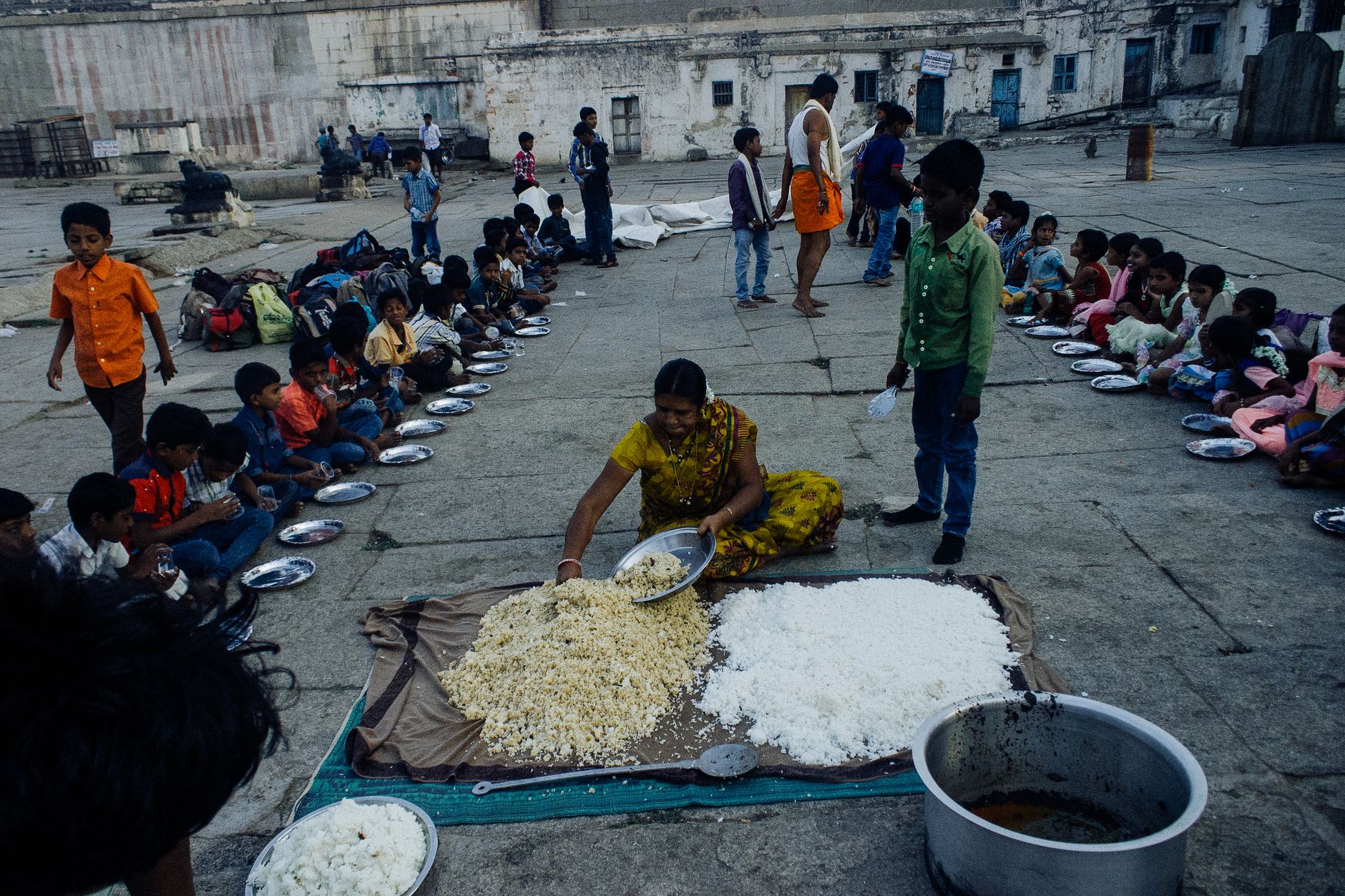
A primary focus involves strengthening existing government programs such as the Integrated Child Development Services and the Mid-Day Meal Scheme. These programs reach millions of children daily but require improvements in food quality, diversity, and nutritional content. The roadmap emphasizes incorporating locally available, nutrient-dense foods and traditional recipes that are both culturally appropriate and nutritionally superior.
The framework also addresses the critical first 1,000 days from conception to age two, a period when nutritional interventions have the greatest impact on long-term health and cognitive development. Recommendations include enhanced support for breastfeeding, improved maternal nutrition, and better complementary feeding practices.
Tackling the Processed Food Problem
A significant component of the roadmap addresses the growing consumption of ultra-processed foods, sugary beverages, and snacks among Indian children. These products, often marketed aggressively to young consumers, contribute to micronutrient deficiencies while increasing risks of obesity and metabolic disorders.
Policy recommendations include stricter regulations on marketing unhealthy foods to children, clear front-of-package labeling systems, and restrictions on the sale of junk food in and around schools. The framework also advocates for taxation measures on sugar-sweetened beverages and unhealthy snacks, with revenues directed toward nutrition programs.
Strengthening Food Systems and Agriculture
Recognizing that child nutrition depends on broader food system transformation, the roadmap emphasizes agricultural policies that prioritize nutritious crop diversity over single-crop cultivation. This includes supporting the production and consumption of millets, pulses, fruits, and vegetables while reducing dependence on rice and wheat.
The framework encourages biofortification of staple crops to address widespread micronutrient deficiencies, particularly iron, zinc, and vitamin A. It also promotes kitchen gardens and school gardens as practical tools for nutrition education and dietary diversification.
The Role of Education and Awareness
Behavioral change forms another pillar of the comprehensive approach. The roadmap calls for integrating nutrition education into school curricula, training teachers and healthcare workers, and conducting community-level awareness campaigns. Special attention is given to educating mothers and caregivers about proper infant feeding, dietary diversity, and hygiene practices.
Digital platforms and mobile technology are identified as promising channels for disseminating nutrition information, particularly in reaching younger parents who are active on social media and messaging applications.
Implementation and Monitoring
The success of any policy framework depends on effective implementation and accountability mechanisms. The roadmap emphasizes the need for coordinated action across multiple government departments including health, education, agriculture, and women and child development.
Robust monitoring systems using technology-enabled data collection can track progress, identify gaps, and enable course corrections. The framework recommends establishing clear targets, timelines, and indicators to measure improvements in child growth parameters, dietary diversity, and health outcomes.
Community participation and involvement of local governance structures are highlighted as essential for ensuring programs are culturally appropriate and effectively reach the most vulnerable populations.
Looking Forward
Transforming child nutrition in India requires sustained commitment, adequate funding, and collaboration across government, civil society, private sector, and international partners. While the challenges are substantial, the potential benefits extend beyond individual health to include improved educational outcomes, enhanced productivity, and reduced healthcare costs in the long term.
This article is for general informational purposes only and does not substitute for professional medical or nutritional advice. Parents and caregivers should consult qualified healthcare providers for specific guidance on children's dietary and health needs.