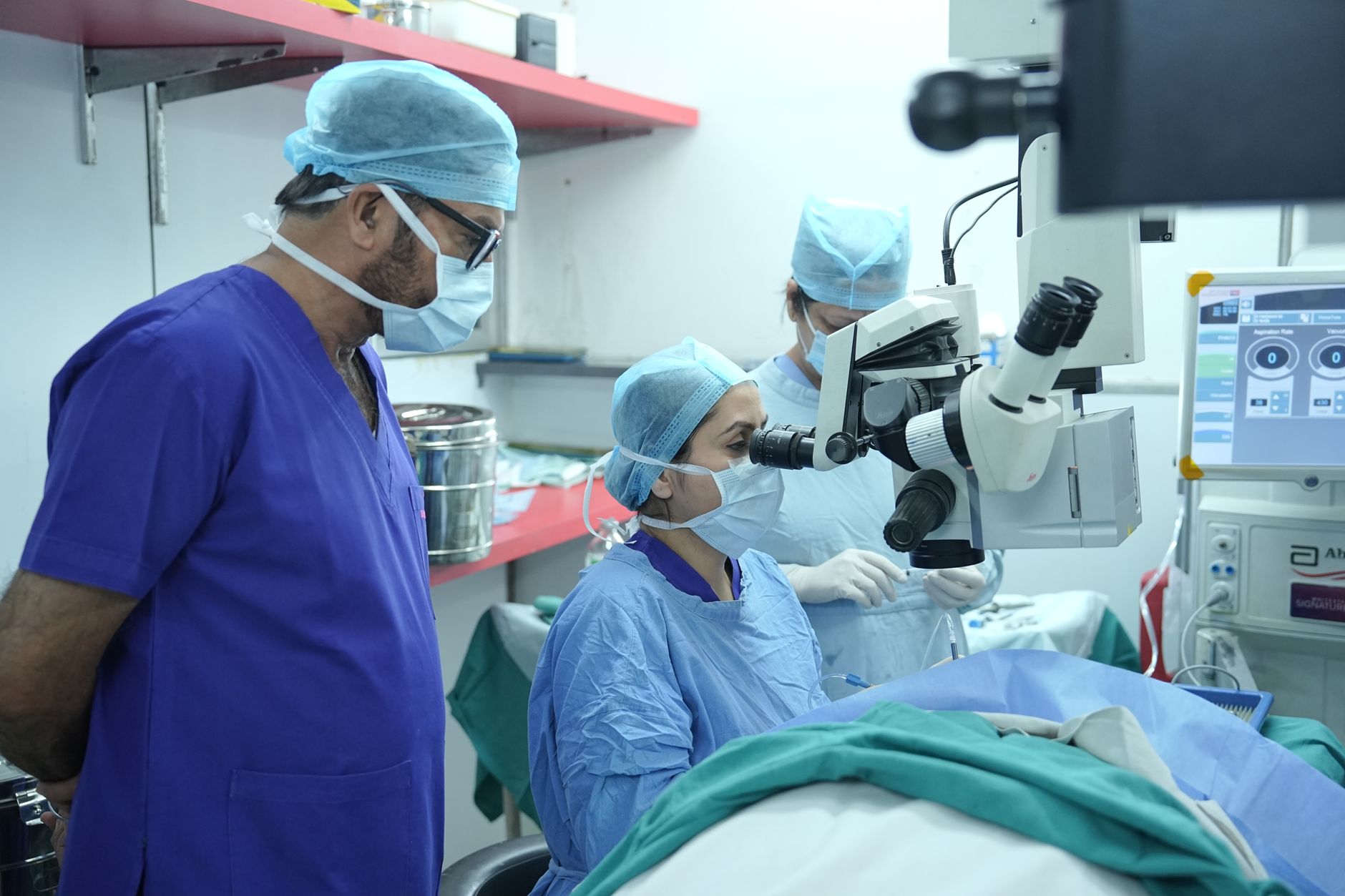
India faces a critical juncture in its healthcare journey. With rising rates of non-communicable diseases, an aging population, and stretched medical infrastructure, the country must pivot toward preventive healthcare rather than continuing to rely primarily on treatment after illness strikes.
The Current State of Indian Healthcare
India's healthcare system has traditionally emphasized curative medicine—treating diseases after they manifest. While this approach has achieved notable successes, including controlling infectious diseases and improving life expectancy, it has also created significant challenges. Hospitals remain overcrowded, healthcare costs continue to escalate, and lifestyle diseases such as diabetes, hypertension, and heart disease affect millions of Indians at increasingly younger ages.
The economic burden is staggering. India spends approximately 3-4% of its GDP on healthcare, lower than many comparable nations, yet out-of-pocket expenses push millions into poverty annually. Many of these costs arise from treating preventable conditions that could have been avoided through early intervention and lifestyle modifications.
Understanding Preventive Healthcare
Preventive healthcare encompasses measures taken to prevent diseases rather than treating them. This includes regular health screenings, vaccinations, health education, lifestyle counseling, and early detection programs. Prevention operates at multiple levels—primary prevention stops disease before it starts, secondary prevention catches disease early when treatment is most effective, and tertiary prevention minimizes complications from existing conditions.
Why Prevention Makes Economic Sense
The financial argument for prevention is compelling. Treating advanced diabetes with complications costs exponentially more than managing blood sugar through diet, exercise, and regular monitoring. Similarly, addressing hypertension early through lifestyle changes and medication prevents costly heart attacks and strokes requiring intensive care and long-term rehabilitation.
For a developing economy like India, prevention offers a path to improve health outcomes while managing healthcare expenditure. Studies globally have shown that every dollar spent on prevention can save multiple dollars in treatment costs. For India, this could free up resources for other developmental priorities while improving quality of life for millions.
Key Areas Requiring Preventive Focus
Several health challenges in India demand preventive approaches. Cardiovascular diseases remain the leading cause of death, yet many risk factors—smoking, poor diet, physical inactivity, and stress—are modifiable through behavioral interventions. Diabetes prevalence has reached epidemic proportions, with India often called the "diabetes capital of the world." Type 2 diabetes, largely preventable through healthy living, affects over 70 million Indians.
Cancer detection and prevention also require attention. Many cancers, when caught early through screening programs, have significantly better outcomes. Vaccinations against hepatitis B and HPV can prevent liver cancer and cervical cancer respectively, yet coverage remains inconsistent across the country.
Mental health, long neglected in Indian healthcare discourse, demands preventive strategies. Early intervention programs in schools and workplaces, stress management education, and reducing stigma can prevent many mental health crises before they require intensive psychiatric care.
Barriers to Preventive Healthcare in India
Several obstacles hinder the adoption of preventive healthcare. Public awareness remains low—many people visit doctors only when symptoms become severe. The healthcare infrastructure itself prioritizes treatment over prevention, with limited resources allocated to screening programs and health education.
Cultural factors also play a role. Traditional beliefs sometimes conflict with preventive medical advice, and discussing health issues proactively isn't always culturally normalized. Additionally, India's healthcare workforce shortage means that even motivated individuals may struggle to access preventive services.
Economic constraints cannot be ignored. For families living paycheck to paycheck, investing in preventive care when they feel healthy seems less urgent than immediate needs. Insurance coverage often favors treatment over prevention, creating perverse incentives.
The Path Forward
Transforming India's healthcare landscape requires coordinated action across multiple fronts. Government policies must incentivize prevention through insurance coverage for screenings and wellness programs. Public health campaigns should educate citizens about the importance of regular check-ups, healthy lifestyles, and early intervention.
Workplace wellness programs can reach millions of employed Indians, providing health screenings, fitness facilities, and stress management resources. Schools should incorporate comprehensive health education, building lifelong healthy habits from childhood.
Technology offers tremendous potential. Telemedicine can extend preventive care to rural areas, mobile apps can track health metrics and provide personalized advice, and data analytics can identify at-risk populations for targeted interventions.
Primary healthcare centers need strengthening to become hubs of preventive care, equipped and staffed to conduct screenings, provide counseling, and manage chronic conditions before they escalate.
India's demographic dividend—its young population—presents both opportunity and urgency. Investing in prevention now can ensure this generation remains healthy and productive, driving economic growth while avoiding the healthcare crisis that unchecked lifestyle diseases would create.
The shift from treatment to prevention requires vision, investment, and persistence, but the alternative—continuing on the current path—is neither sustainable nor desirable for India's health and prosperity.
This article is for general informational purposes only and should not be considered medical advice. Readers should consult qualified healthcare professionals for specific health concerns and preventive care recommendations appropriate to their individual circumstances.