India's diplomatic engagement with North Macedonia has entered a new phase, with high-level discussions focusing on sectors that promise mutual benefits for both nations. The recent presidential visit has laid groundwork for collaborative ventures spanning healthcare innovation, technological advancement, and artificial intelligence applications.
Strengthening Bilateral Health Cooperation
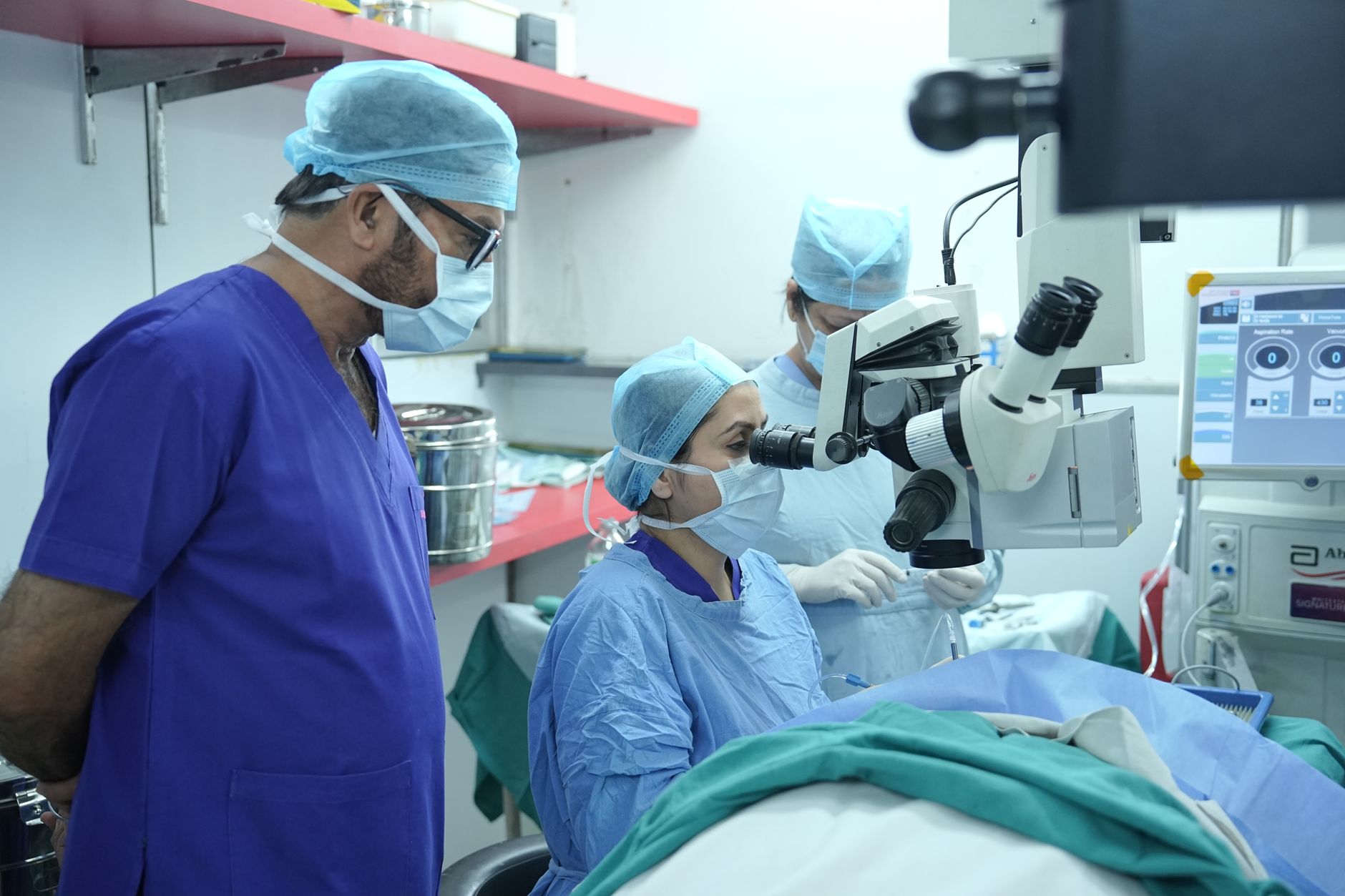
Healthcare collaboration between India and North Macedonia presents opportunities in several key areas. India's pharmaceutical industry, known as the "pharmacy of the world," produces affordable generic medications that could benefit North Macedonia's healthcare system. The potential for knowledge exchange in medical education, telemedicine infrastructure, and public health management represents a significant aspect of this partnership.
North Macedonia, despite its smaller size, has developed specialized medical expertise in certain fields and maintains quality healthcare training institutions. The exchange of medical professionals, research collaboration on endemic diseases, and joint initiatives in preventive healthcare could create a mutually beneficial framework.
Traditional medicine systems also offer an avenue for cooperation. India's well-established Ayurveda, Yoga, and Naturopathy practices could complement North Macedonia's healthcare offerings, while Indian practitioners might gain insights from European medical approaches and regulations.
Technology Transfer and Digital Innovation
The technology sector represents another pillar of emerging cooperation. India's robust IT industry and software development capabilities align well with North Macedonia's growing ambitions in the digital economy. Joint ventures in cybersecurity, digital infrastructure development, and e-governance solutions could benefit both nations.
India has successfully implemented large-scale digital identity systems, financial inclusion platforms, and digital payment infrastructures that have transformed how citizens interact with government services. Sharing these experiences and potentially adapting successful models for North Macedonia's context could accelerate digital transformation efforts.
The startup ecosystems in both countries could benefit from increased interaction. Indian entrepreneurs have expertise in scaling technology solutions for large populations, while North Macedonia offers access to European markets and regulatory frameworks. This combination could spawn innovative cross-border ventures.
Artificial Intelligence Applications
Artificial intelligence has emerged as a crucial area for international cooperation, and this partnership reflects global trends toward collaborative AI development. India has made significant investments in AI research, with applications spanning agriculture, healthcare diagnostics, financial services, and smart city development.
Potential areas for India-North Macedonia AI collaboration include:
- Healthcare AI for diagnostic assistance and treatment optimization
- Agricultural AI for crop monitoring and yield prediction
- Natural language processing for regional languages
- AI-powered educational tools and personalized learning systems
- Smart infrastructure and traffic management solutions
The ethical development and deployment of AI systems requires international dialogue, making such bilateral partnerships valuable for establishing responsible AI frameworks that respect privacy and human rights while driving innovation.
Economic and Strategic Implications
This deepening relationship carries economic significance beyond immediate project collaborations. North Macedonia serves as a potential gateway for Indian businesses seeking European market access, while Indian companies can offer cost-effective technology solutions and healthcare products to Balkan markets.
The cooperation also reflects India's broader diplomatic strategy of engaging with smaller nations through focused, sector-specific partnerships rather than solely pursuing relationships with major powers. This approach allows for nimble, results-oriented collaboration that can deliver tangible benefits relatively quickly.
Challenges and Opportunities Ahead
Despite the promising outlook, certain challenges require attention. Geographic distance, limited direct connectivity, and relatively low awareness of each other's markets could slow collaboration. Cultural and regulatory differences in healthcare and technology sectors need careful navigation.
However, these challenges are surmountable with sustained diplomatic engagement and business-to-business connections. Joint working groups, regular ministerial dialogues, and institutional partnerships between universities and research centers can maintain momentum.
The success of this cooperation will likely depend on moving beyond governmental agreements to facilitate actual business partnerships, research collaborations, and people-to-people exchanges. Startup accelerators, joint research grants, and simplified visa processes for professionals could catalyze meaningful engagement.
Looking Forward
As global dynamics shift and nations seek diverse partnerships, the India-North Macedonia relationship demonstrates how countries can identify complementary strengths and build cooperation around specific sectors. Healthcare, technology, and AI represent future-oriented domains where collaboration can yield innovation and economic growth for both partners.
The foundation has been laid through high-level visits and agreements. The next phase requires implementation, monitoring, and adaptation to ensure that stated intentions translate into concrete projects that benefit citizens, businesses, and institutions in both nations.