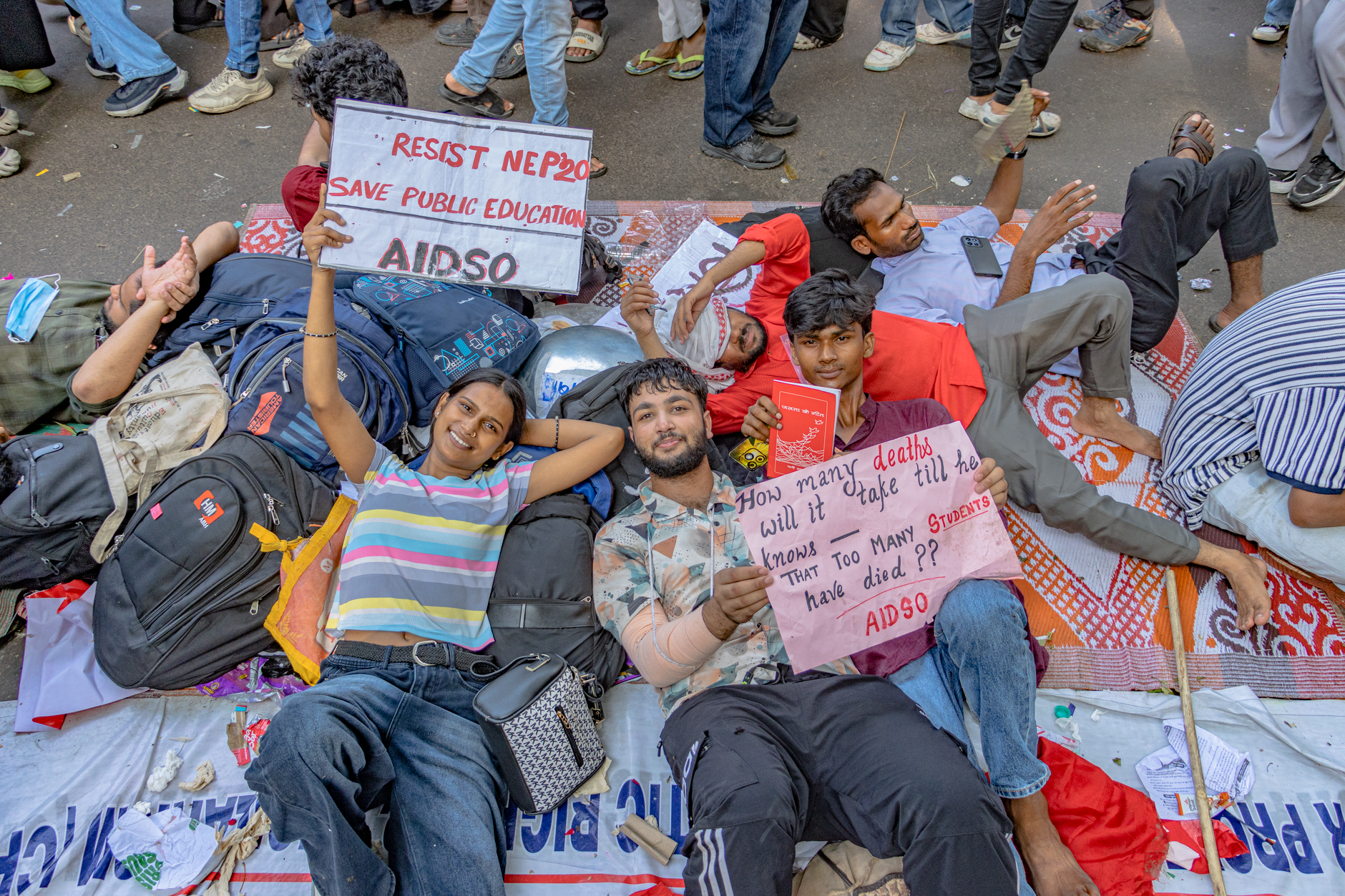
India's public examination system, which affects millions of aspirants annually, is undergoing significant transformation following massive protests by students and youth across the country. The demonstrations, triggered by recurring instances of paper leaks, examination irregularities, and perceived unfairness, have forced policymakers to confront systemic issues that have plagued competitive examinations for years.
The Scale of India's Examination Challenge
India conducts some of the world's largest competitive examinations, with tests like the UPSC Civil Services, NEET for medical entrance, JEE for engineering, and various railway recruitment exams attracting millions of candidates. The sheer volume creates logistical nightmares and opportunities for malpractice. In recent years, several high-profile paper leaks and irregularities have undermined public confidence, with students losing years of preparation due to exam cancellations and re-tests.
The protests that erupted reflected deep frustration among youth who invest significant time, money, and emotional energy preparing for these exams, often viewing them as gateways to secure futures and upward mobility.
Key Reforms Being Implemented
The government and examination authorities have announced several measures to restore credibility and fairness:
- Digital question paper distribution systems to minimize human handling and reduce leak possibilities
- Implementation of biometric authentication and AI-based surveillance during examinations
- Stricter background checks for examination center staff and paper-setters
- Real-time CCTV monitoring with footage stored for extended periods
- Reduced time gaps between question paper finalization and actual examination dates
- Introduction of multiple question paper sets and randomization techniques
- Establishment of fast-track courts to expedite prosecution of those involved in examination fraud
Technology-Driven Solutions
Technology has emerged as a central pillar of reform efforts. Examination conducting bodies are investing in secure digital infrastructure that encrypts question papers until moments before distribution. Some agencies are exploring computer-based testing for more examinations, which allows for unique question combinations for each candidate while maintaining standardized difficulty levels.
Artificial intelligence is being deployed to detect patterns suggesting cheating, analyze answer sheets for suspicious similarities, and monitor examination centers remotely. These technological interventions aim to create multiple layers of security that make malpractice significantly more difficult.
Administrative and Legal Measures
Beyond technology, administrative reforms include stricter protocols for question paper creation, with paper-setters required to remain in secure facilities without communication access during critical periods. The examination conducting authorities are also reviewing their organizational structures to identify vulnerabilities and potential collusion points.
Legal frameworks are being strengthened with harsher penalties for those caught facilitating exam fraud. Several states have passed or proposed laws that treat examination malpractice as serious criminal offenses with lengthy prison sentences and substantial fines.
Transparency and Communication Improvements
Recognizing that opacity breeds suspicion, authorities are working to improve communication with candidates. This includes:
- More transparent result evaluation processes
- Clearer grievance redressal mechanisms
- Regular updates on examination schedules and any changes
- Public disclosure of action taken against malpractice
- Publication of detailed examination statistics and analysis
Challenges in Implementation
Despite these ambitious reforms, significant challenges remain. The decentralized nature of India's examination system, with multiple state and national bodies conducting tests, makes uniform implementation difficult. Resource constraints affect smaller examination authorities that may struggle to afford advanced technological solutions.
Additionally, the massive scale of examinations means that even small error rates can affect thousands of candidates. Balancing security with accessibility remains a constant challenge, particularly ensuring that heightened security measures don't disadvantage candidates from rural areas or those with limited technological exposure.
Student Response and Ongoing Concerns
While many students have welcomed the reform initiatives, skepticism persists. Youth activists and student organizations emphasize the need for sustained implementation rather than announcements that fade after protests subside. There are also calls for fundamental examination system reforms, including reducing the reliance on single high-stakes tests and exploring alternative evaluation methods.
The Broader Impact
The examination system reforms reflect larger questions about opportunity, fairness, and social mobility in India. For millions of young Indians, competitive examinations represent crucial pathways to government jobs, professional education, and economic security. Any perception of unfairness strikes at fundamental notions of meritocracy and equal opportunity.
The success or failure of these reforms will significantly impact not just the examination system but also public trust in government institutions. As India's youth population continues to grow, ensuring fair and credible pathways to opportunity becomes increasingly critical for social stability and national development.