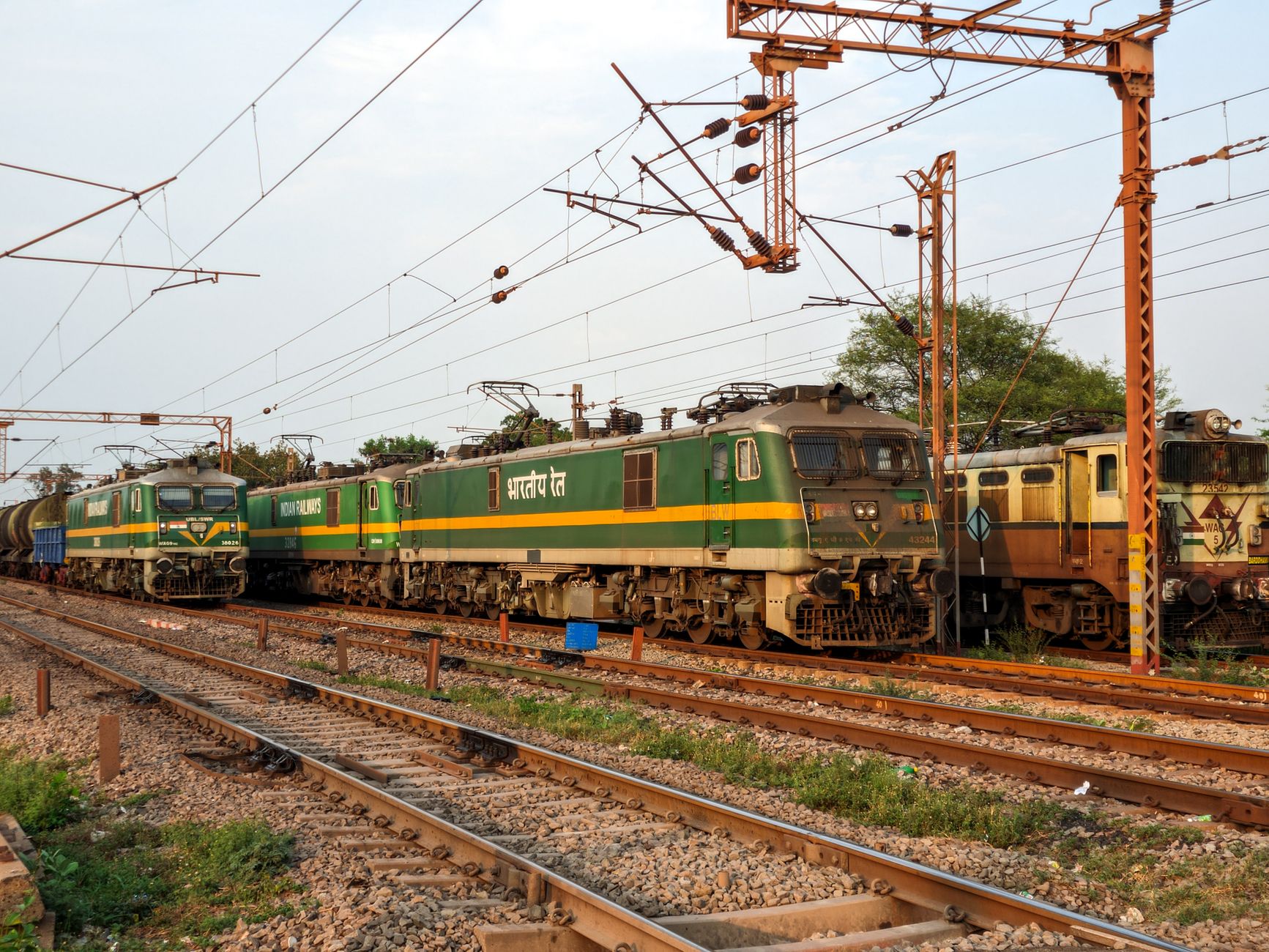
India has achieved a major breakthrough in sustainable transportation by retaining full intellectual property rights for its indigenous hydrogen train technology. This development represents a crucial step forward in the nation's commitment to reducing carbon emissions while strengthening its position in the global green technology landscape.
The Significance of Hydrogen Trains
Hydrogen-powered trains represent the next generation of eco-friendly rail transport. Unlike conventional diesel locomotives that emit greenhouse gases, hydrogen trains produce only water vapor as a byproduct. These trains use hydrogen fuel cells to generate electricity, which powers the motors that drive the train. This technology is particularly valuable for railway routes that are not electrified, offering a clean alternative to diesel without the massive infrastructure investment required for electrification.
India operates one of the world's largest railway networks, with thousands of kilometers of track still running on diesel. The successful development of hydrogen train technology provides a viable pathway to decarbonize these routes while maintaining operational efficiency and reducing the country's dependence on imported fossil fuels.
Indigenous Development and Self-Reliance
The retention of intellectual property rights is a testament to India's growing capabilities in advanced technology development. By developing this technology domestically rather than licensing it from foreign manufacturers, India ensures several strategic advantages. The country can manufacture these trains at lower costs, customize the technology to suit local conditions, and potentially export the technology to other nations seeking sustainable railway solutions.
This achievement aligns with the broader "Make in India" and "Aatmanirbhar Bharat" initiatives that emphasize self-reliance in critical technologies. When countries develop and own the IP for strategic technologies, they avoid long-term licensing fees, gain freedom to innovate further, and build domestic expertise that can be applied to other sectors.
Technical Challenges Overcome
Developing hydrogen train technology involves overcoming numerous technical hurdles. Engineers must design safe storage systems for hydrogen, which is highly flammable and requires specialized handling. The fuel cell systems must be efficient enough to provide adequate power for heavy railway operations while maintaining reliability under varying climate conditions.
India's diverse geography and climate present unique challenges, from extreme heat in summer to freezing temperatures in mountainous regions. Indigenous development allows engineers to specifically address these conditions during the design phase, ensuring the technology performs optimally across the country's varied terrain and weather patterns.
Environmental and Economic Impact
The adoption of hydrogen trains could significantly reduce India's carbon footprint. The railway sector is a major consumer of diesel fuel, and transitioning even a portion of the fleet to hydrogen power would substantially cut greenhouse gas emissions. This move supports India's commitments under various international climate agreements and its goal of achieving net-zero emissions by 2070.
Economically, indigenous hydrogen train technology can reduce India's fuel import bill over time. While establishing hydrogen production and distribution infrastructure requires initial investment, the long-term operational costs can be competitive with diesel, especially as hydrogen production scales up and becomes more efficient. Additionally, the technology creates opportunities for domestic manufacturing, potentially generating employment and fostering a new industrial ecosystem around hydrogen technologies.
Future Prospects and Deployment
With IP rights secured, the path is clear for commercial deployment of hydrogen trains on Indian railways. Initial trials and pilot projects will likely focus on specific routes to demonstrate the technology's viability and refine operational protocols. Success in these trials could lead to broader adoption across non-electrified railway corridors.
The technology also positions India as a potential exporter of hydrogen railway solutions to other developing nations facing similar challenges with diesel-dependent rail networks. This could open new revenue streams and enhance India's standing in the global market for green transportation technologies.
Building a Hydrogen Ecosystem
The development of hydrogen trains is part of a larger effort to build a comprehensive hydrogen economy in India. This includes establishing production facilities for green hydrogen, developing storage and transportation infrastructure, and creating safety standards and regulations. The railway sector can serve as an anchor customer that drives investment and innovation across the entire hydrogen value chain.
As India continues to invest in renewable energy and green technologies, the successful development of hydrogen trains demonstrates the country's technical capabilities and commitment to sustainable development. Retaining the intellectual property rights ensures that the benefits of this innovation accrue primarily to the nation while contributing to global efforts to combat climate change.