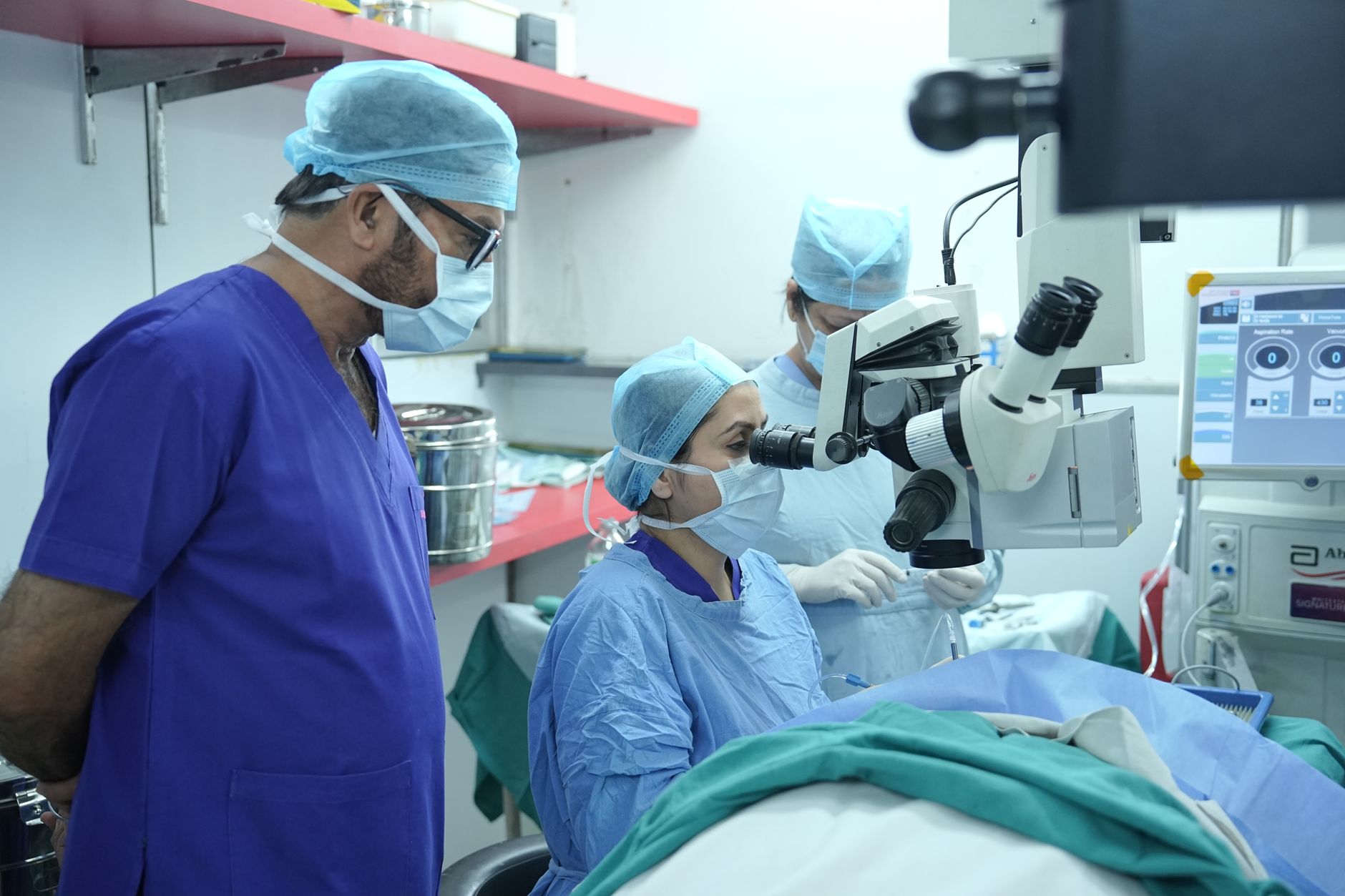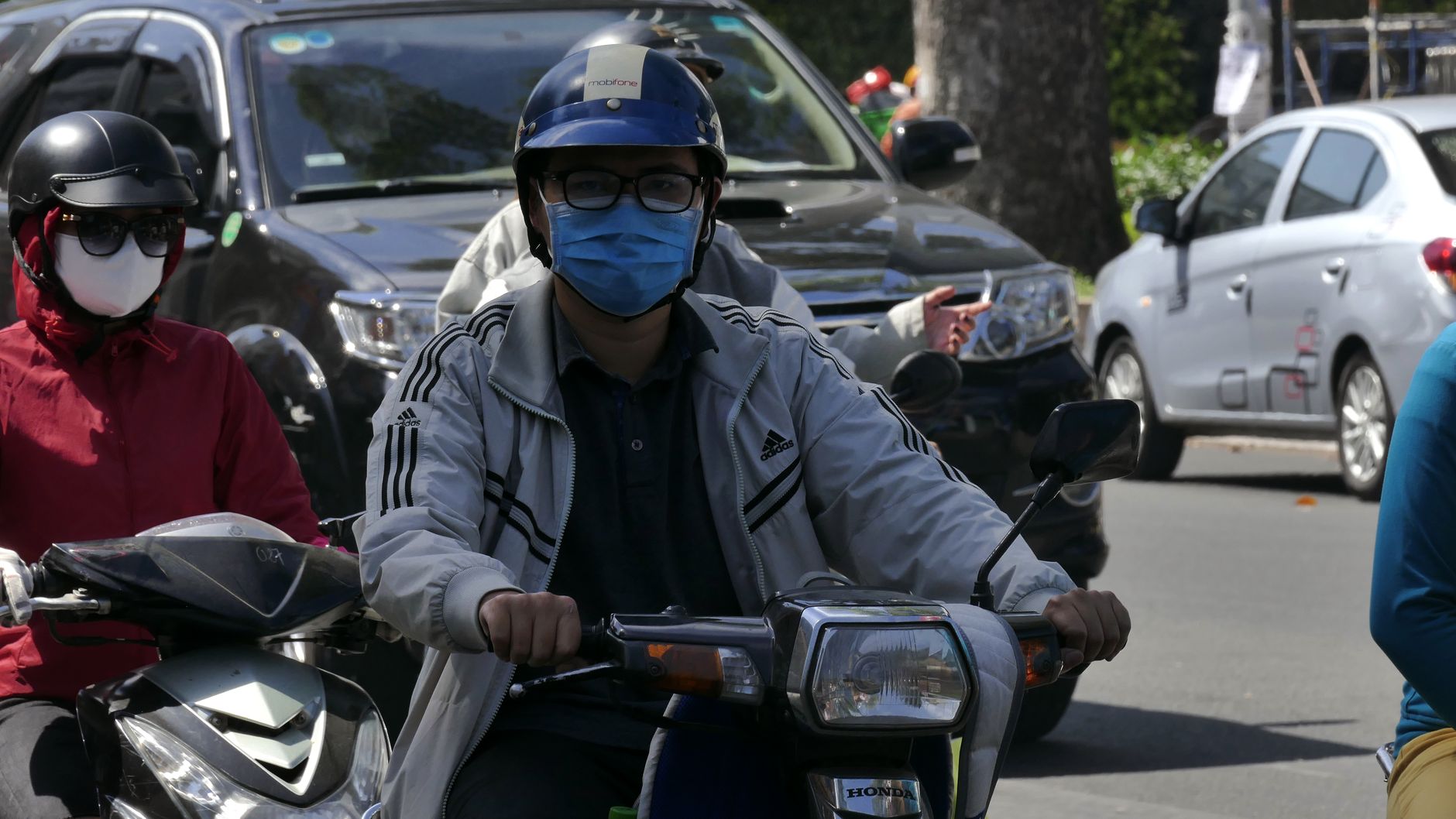
India and Vietnam have emerged as important partners in the healthcare sector, with both countries seeking to deepen their cooperation across multiple fronts. As India calls for accelerating this partnership, the move reflects broader geopolitical and economic interests that extend beyond healthcare into trade, diplomacy, and regional stability.
Why Healthcare Cooperation Matters
The push for stronger health ties between India and Vietnam comes at a time when both nations are positioning themselves as key players in Asia's healthcare landscape. India, often called the "pharmacy of the world," produces a significant portion of global generic medications and vaccines. Vietnam, meanwhile, has been working to modernize its healthcare infrastructure and reduce dependence on external suppliers for essential medicines.
Healthcare cooperation between nations serves multiple purposes. It can improve access to affordable medicines, facilitate knowledge exchange in medical research, strengthen pandemic preparedness, and create economic opportunities through trade and investment. For India and Vietnam, these benefits align well with their respective national priorities.
Key Areas of Collaboration
Several specific areas have been identified as priority zones for India-Vietnam healthcare cooperation:
- Pharmaceutical manufacturing and supply chain development
- Traditional medicine systems, including Ayurveda and Vietnamese traditional practices
- Medical education and training exchanges
- Hospital management and healthcare delivery systems
- Biotechnology and vaccine development
- Digital health and telemedicine infrastructure
India's strength in pharmaceutical production makes it a natural partner for Vietnam, which imports substantial quantities of medicines and is keen to develop domestic manufacturing capabilities. Indian companies have already established some presence in Vietnam's pharmaceutical market, and deeper cooperation could expand this relationship.
The Traditional Medicine Connection
Both India and Vietnam have rich traditions of indigenous medicine. India's Ayurvedic system and Vietnam's traditional medicine practices share some philosophical similarities and have been used for centuries. Cooperation in this area could involve research into traditional remedies, standardization of practices, and integration of traditional medicine with modern healthcare systems.
The World Health Organization has been encouraging member states to explore evidence-based traditional medicine as a complement to conventional treatments. India and Vietnam's collaboration in this space could serve as a model for other nations with similar heritage.
Strategic and Economic Dimensions
Healthcare cooperation doesn't happen in isolation. It's part of India's broader "Act East" policy, which seeks to strengthen ties with Southeast Asian nations. Vietnam is a key member of ASEAN and an important manufacturing hub, making it strategically significant for India.
For Vietnam, diversifying its healthcare partnerships reduces over-reliance on any single supplier nation. Given recent global supply chain disruptions highlighted by the COVID-19 pandemic, having multiple reliable partners for essential medical supplies has become a national security priority.
The economic dimension is also significant. The pharmaceutical and healthcare sectors represent billions of dollars in potential trade and investment. Indian pharmaceutical companies could establish manufacturing facilities in Vietnam to serve the Southeast Asian market, while Vietnamese healthcare providers could adopt Indian healthcare management practices and technologies.
Pandemic Preparedness and Regional Health Security
The COVID-19 pandemic demonstrated the importance of regional cooperation in managing health emergencies. India and Vietnam both faced challenges during the pandemic but also showed resilience in their responses. India's vaccine manufacturing capabilities, including production of COVID-19 vaccines, positioned it as a valuable partner for vaccine supply.
Future cooperation could focus on early warning systems for disease outbreaks, joint research on tropical diseases common to both regions, and coordinated responses to health emergencies. Given the interconnected nature of modern travel and trade, diseases that emerge in one country can quickly spread regionally, making collaborative surveillance and response essential.
Challenges Ahead
While the potential for cooperation is substantial, several challenges exist. Regulatory differences between the two countries need to be harmonized to facilitate easier trade in pharmaceuticals and medical devices. Language barriers and differences in medical education systems can complicate training exchanges. Additionally, ensuring that cooperation benefits reach beyond major cities to rural populations in both countries will require sustained effort.
The success of accelerated India-Vietnam health cooperation will depend on concrete implementation of agreements, sustained funding, and regular high-level engagement between governments and private sector stakeholders. As both nations work toward these goals, the partnership could serve as a template for broader regional health cooperation in Asia.