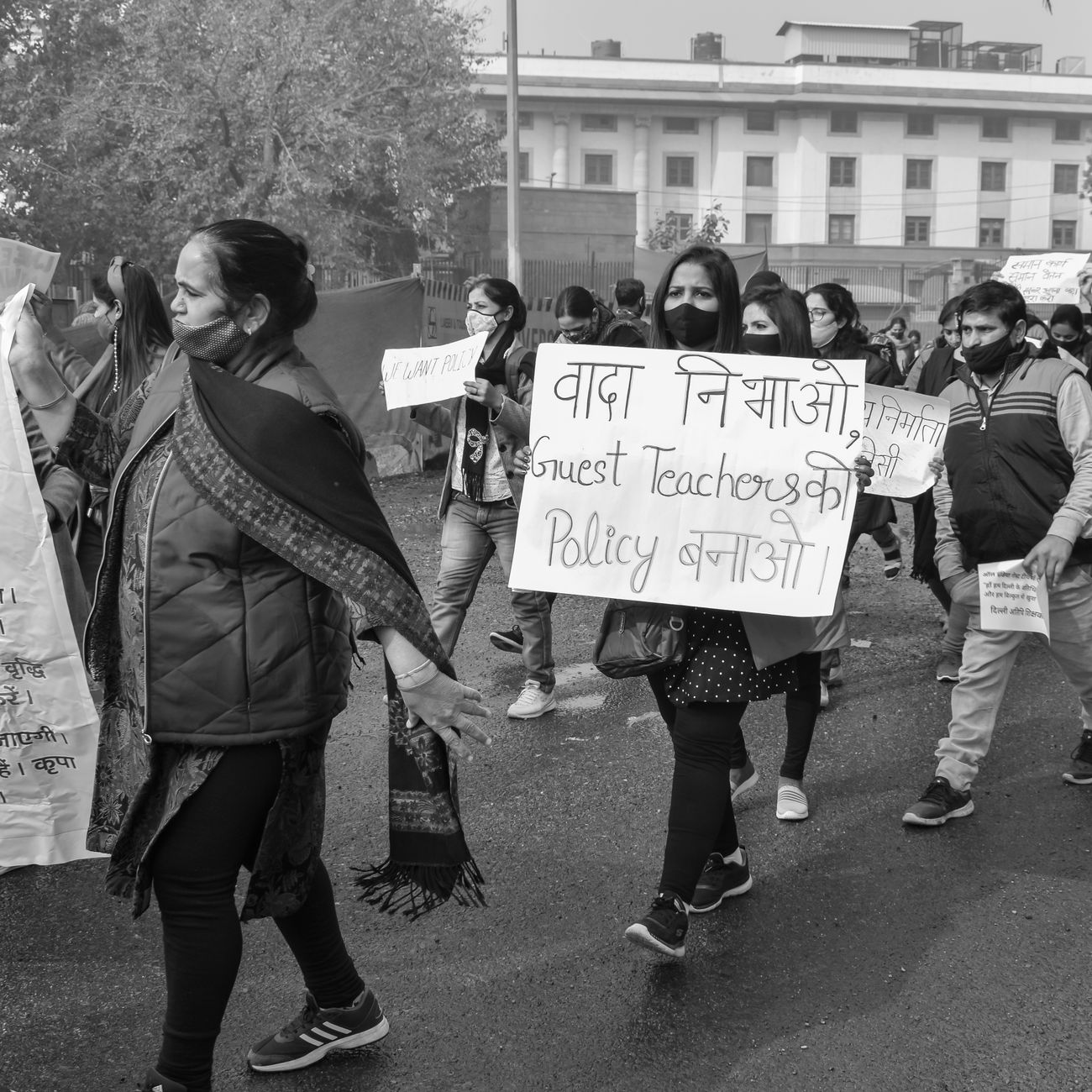
Student activism has emerged as a powerful force in India's education landscape, with recent protests compelling authorities to reconsider long-standing examination policies and practices. The resignation of a senior education official marks a watershed moment in the ongoing debate over India's competitive exam ecosystem, which determines access to prestigious institutions and government jobs for millions of young aspirants annually.
The Scale of Student Mobilization
India's youth population represents one of the largest demographic groups globally, with students preparing for various competitive examinations including university entrance tests, civil services exams, and professional certification assessments. When concerns arise about the fairness or conduct of these examinations, the impact reverberates across millions of families who invest significant resources in preparation.
The recent wave of protests reflects deep-seated frustrations that have been building within the student community. Issues ranging from alleged paper leaks and technical glitches during online examinations to questions about normalization procedures and result delays have created an atmosphere of distrust. Students have increasingly taken to social media platforms and street demonstrations to demand accountability and systemic changes.
Key Demands Driving Reform
The protesting students have articulated several specific demands that authorities are now being forced to address. Primary among these is the call for greater transparency in examination processes, including clearer communication about evaluation criteria and more robust mechanisms to prevent malpractices like paper leaks.
Students have also raised concerns about the psychological toll of repeated exam cancellations and postponements. Many aspirants spend years preparing for single examinations, and disruptions can derail career timelines and create immense stress. The demand for more predictable and reliable examination schedules has gained significant traction.
Another critical issue involves the growing reliance on technology for conducting exams. While digital platforms offer certain advantages, technical failures during computer-based tests have affected thousands of candidates, leading to demands for better infrastructure and contingency planning.
Implications of Ministerial Resignation
The departure of an education minister or senior official in response to student protests sends a powerful message about accountability in India's education system. It represents recognition at the highest levels that student concerns cannot be dismissed or ignored. Such resignations typically occur only when public pressure becomes impossible to contain through conventional means.
This development also signals a shift in how education authorities must engage with stakeholders. The traditional top-down approach to policymaking is increasingly being challenged by more vocal and organized student groups who leverage digital tools to coordinate and amplify their voices.
Reform Measures Under Consideration
In response to sustained pressure, education authorities are exploring various reform measures. These include strengthening security protocols for examination papers, implementing multi-layered verification systems, and establishing independent oversight committees to monitor examination conduct.
Authorities are also examining the examination calendar to reduce clustering of multiple important tests, which creates bottlenecks and increases stress levels. There is growing acknowledgment that the current system, designed decades ago, requires updating to match contemporary educational needs and technological capabilities.
Some proposed reforms focus on diversifying assessment methods beyond single high-stakes examinations. This could include greater weightage for continuous evaluation, practical assessments, and multiple testing opportunities throughout the year rather than once-annual exams.
Broader Context of Education Challenges
The protests and subsequent reforms must be understood within India's broader educational challenges. The country's examination system serves as a gateway to limited seats in prestigious institutions and government positions, creating intense competition. This scarcity mindset has fostered an entire coaching industry and placed enormous pressure on students and their families.
The incident also highlights generational shifts in how young Indians engage with institutions. Today's students are more informed, connected, and willing to organize for their rights than previous generations. They view quality education and fair examination processes not as privileges but as fundamental rights.
Looking Forward
The coming months will be crucial in determining whether announced reforms translate into meaningful changes. Student groups have indicated they will maintain vigilance and continue advocacy until substantive improvements are implemented. The education establishment, meanwhile, faces the challenge of balancing the need for reform with maintaining the integrity and credibility of India's examination systems.
This episode may well represent a turning point in Indian education governance, establishing new precedents for student participation in policy formation and greater accountability for officials overseeing critical educational infrastructure.