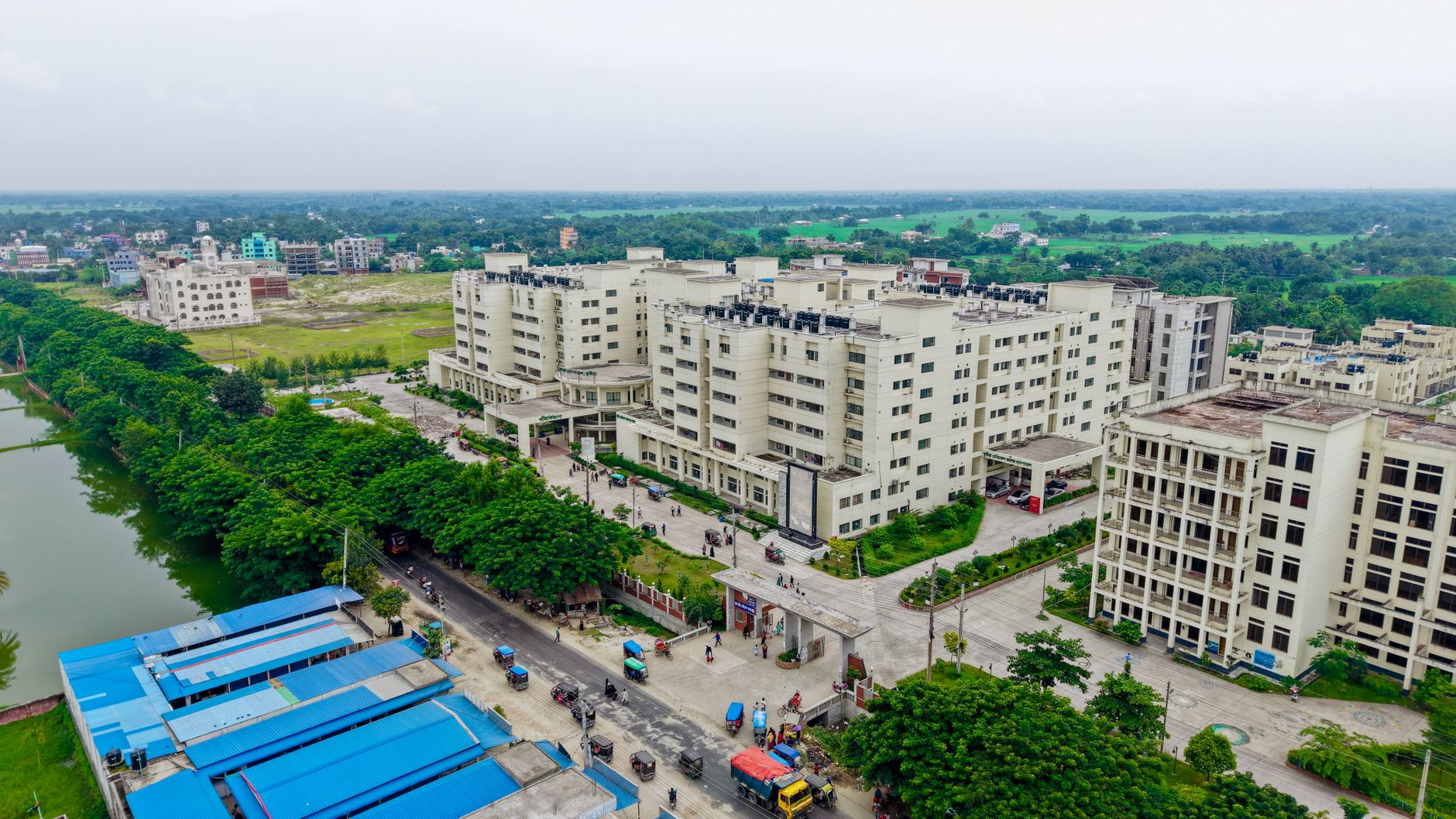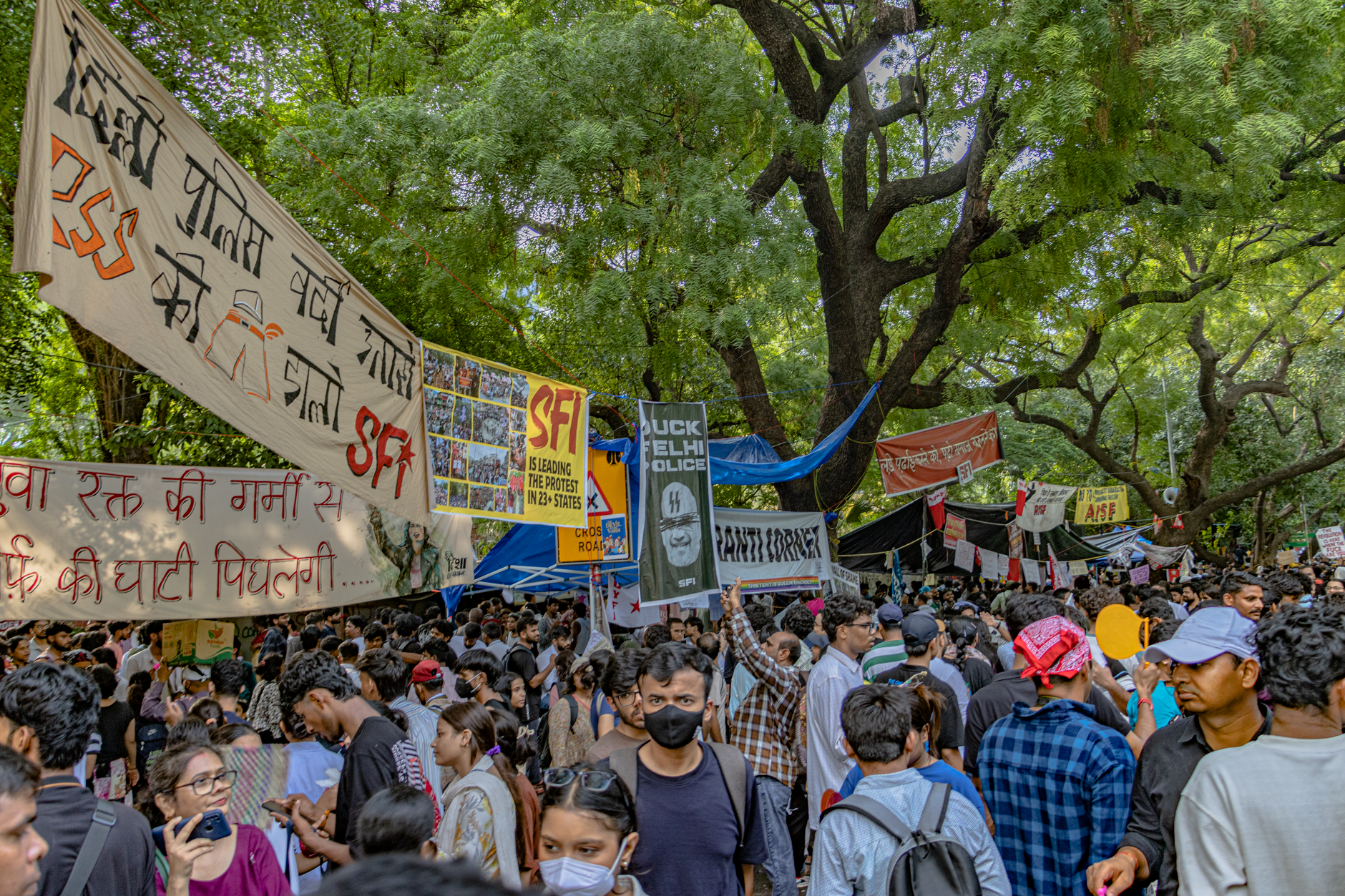
Student protests in India have recently gained significant attention after demonstrations against inadequate living conditions in educational institutions, with some students using the term "cockroach" to describe the state of their hostels. These protests have forced both state and central governments to address concerns about infrastructure quality in higher education facilities across the country.
Background of the Protests
The protests emerged from long-standing grievances about hostel conditions in several educational institutions. Students have raised concerns about pest infestations, poor sanitation, inadequate water supply, and deteriorating infrastructure. The use of vivid imagery and social media campaigns has amplified these complaints, drawing public sympathy and media coverage.
Students at various universities have documented their living conditions through photographs and videos, showing cramped rooms, broken facilities, and unhygienic environments. These visual testimonies have resonated with parents and education advocates, creating pressure on authorities to take immediate action.
Government Response Measures
In response to the growing protests, government authorities at different levels have initiated several measures:
- Formation of inspection committees to assess hostel conditions across multiple institutions
- Allocation of emergency funds for immediate repairs and pest control operations
- Directives to university administrations to submit detailed reports on infrastructure status
- Announcements of timeline-bound action plans for facility upgrades
- Engagement with student representatives to understand specific grievances
Education ministry officials have acknowledged the concerns raised by students and emphasized their commitment to ensuring dignified living conditions. Several state governments have fast-tracked budget allocations specifically earmarked for hostel renovations and modernization.
Institutional Accountability
The protests have highlighted questions about accountability in managing educational institutions. Government responses have included discussions about stricter monitoring mechanisms and regular audits of residential facilities. Some states have proposed the establishment of student welfare committees with mandatory student representation to prevent such situations from arising in the future.
University administrations have been directed to maintain minimum standards as prescribed by regulatory bodies like the University Grants Commission (UGC). The emphasis has shifted toward preventive maintenance rather than reactive repairs, with institutions being asked to develop comprehensive infrastructure management plans.
Broader Implications for Education Policy
The protests have sparked wider conversations about the quality of higher education infrastructure in India. Government responses suggest a recognition that adequate living conditions are integral to the overall educational experience and student well-being.
Policy discussions have emerged around:
- Standardized hostel maintenance guidelines across all government-funded institutions
- Regular third-party audits of residential facilities
- Student feedback mechanisms integrated into institutional assessment frameworks
- Increased budget allocations for education infrastructure in upcoming fiscal plans
- Public-private partnership models for hostel construction and maintenance
Challenges in Implementation
Despite government assurances, implementation challenges remain significant. Many educational institutions, particularly older universities, face structural constraints due to aging buildings and limited campus space. Budget limitations at the state level often mean that promised renovations face delays.
The sheer scale of India's higher education system, with thousands of institutions and millions of students, makes comprehensive infrastructure upgrades a massive undertaking requiring sustained financial commitment and administrative coordination across multiple government levels.
Student Reactions and Ongoing Dialogue
Student groups have generally welcomed government responses while maintaining vigilance about actual implementation. Many student unions have insisted on transparent monitoring mechanisms and regular updates on progress. The protests have empowered students to demand accountability, setting precedents for future advocacy on campus issues.
Some student organizations have moved beyond protests to constructive engagement, submitting detailed proposals for infrastructure improvements and offering to participate in oversight committees. This collaborative approach has been encouraged by education authorities seeking sustainable solutions.
Looking Forward
The government's response to these protests may set important precedents for how student grievances are addressed in India's education system. The focus has shifted from merely managing protests to addressing systemic issues in educational infrastructure. Success will depend on sustained commitment, adequate funding, and effective implementation mechanisms that ensure improvements are not temporary fixes but long-term solutions.
The situation underscores the evolving relationship between students, educational institutions, and government authorities, where digital activism and public accountability play increasingly important roles in shaping policy responses. As monitoring continues, the true measure of government response will be visible in the tangible improvements experienced by students in their daily lives on campus.