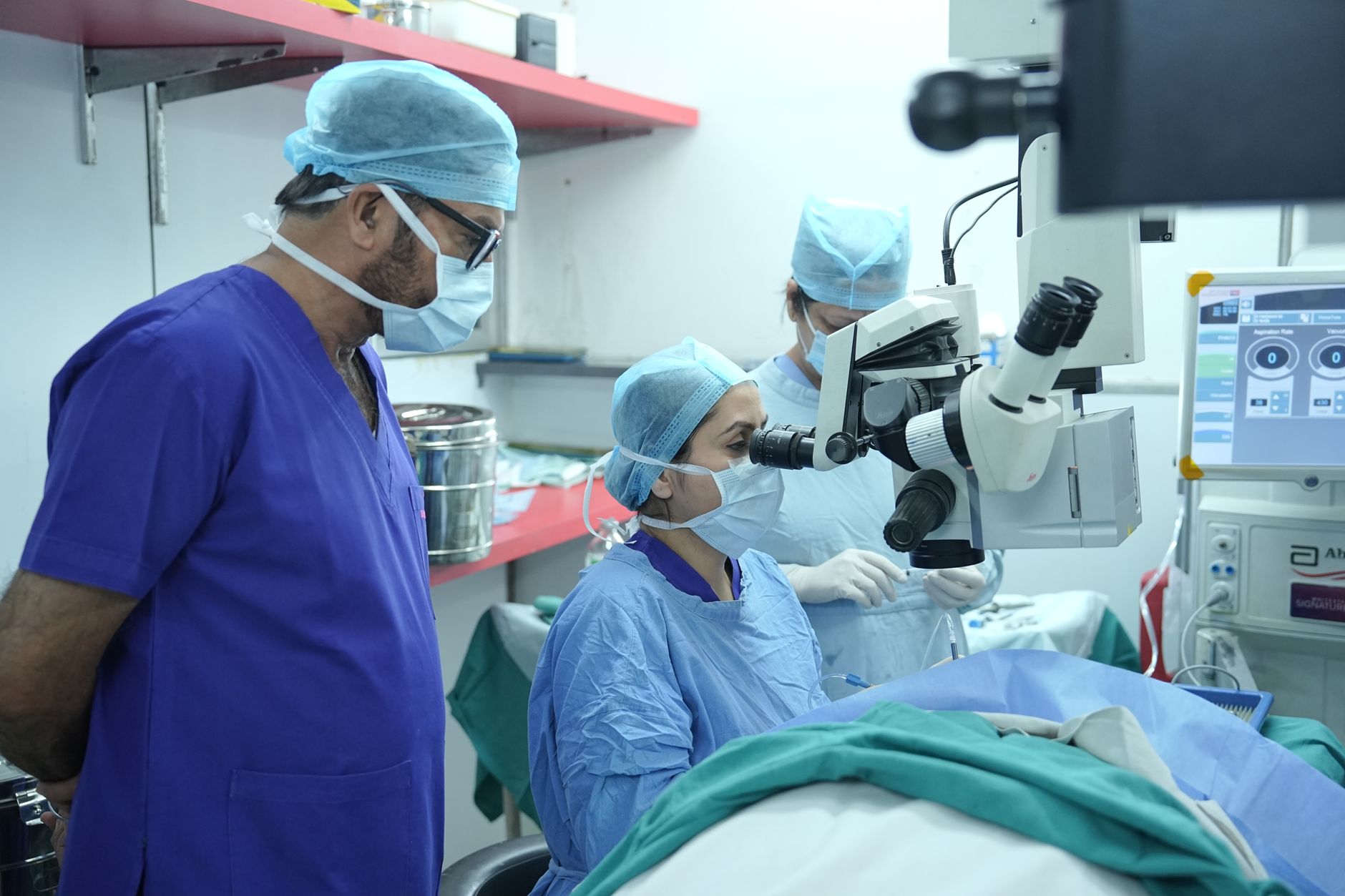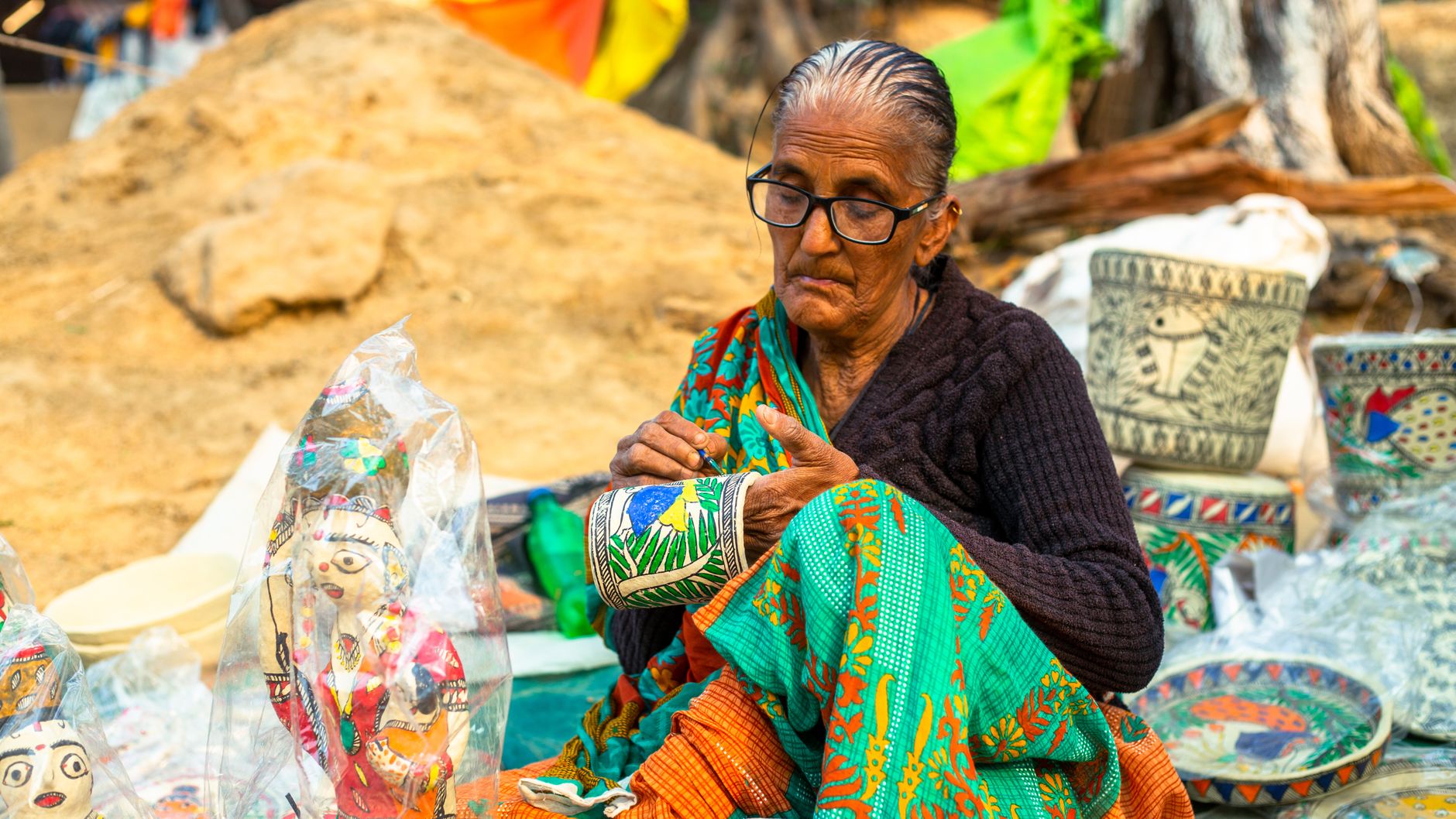
India has witnessed a remarkable increase in women's life expectancy over the past few decades. Women now live an average of 71-72 years, compared to just 40 years at independence. However, this demographic triumph masks a troubling reality: many Indian women are living longer lives marked by chronic illness, financial dependency, and inadequate healthcare support.
The Health-Span Versus Lifespan Gap
Increased longevity does not automatically translate to healthy aging. A significant portion of elderly Indian women suffer from multiple chronic conditions including diabetes, hypertension, arthritis, and osteoporosis. Studies indicate that women spend nearly 15-20 years of their later life managing chronic illnesses with limited mobility and independence.
The problem is compounded by India's healthcare system, which remains largely curative rather than preventive. Women often receive medical attention only when conditions become severe, missing crucial early intervention opportunities that could improve their quality of life in later years.
Economic Vulnerability in Old Age
Financial insecurity represents one of the most significant challenges facing elderly Indian women. The majority of women in the current senior demographic never participated in formal employment and lack independent pensions or savings. They remain economically dependent on family members throughout their lives.
- Fewer than 30% of elderly women have their own income sources
- Widowhood often leaves women without financial support systems
- Limited property rights and inheritance practices exclude women from family assets
- Lack of financial literacy prevents effective retirement planning among younger women
This economic vulnerability affects every aspect of their lives, from accessing healthcare to maintaining dignity and autonomy in daily decisions.
Social Isolation and Mental Health
Traditional joint family structures that once provided built-in support systems for elderly women are rapidly dissolving. Nuclear families, urban migration of children, and changing social dynamics have left many elderly women socially isolated.
Widowhood, which women experience at higher rates and younger ages due to the gender gap in life expectancy and age differences in marriage, often brings additional social marginalization. Mental health issues including depression and anxiety are widespread among elderly women but remain largely undiagnosed and untreated due to social stigma and lack of geriatric mental health services.
Nutritional Deficiencies Across Lifespan
A lifetime of nutritional neglect catches up with women in old age. Cultural practices that prioritize feeding male family members first, combined with pregnancy-related nutritional depletion and lack of awareness about women's dietary needs, create cumulative health deficits.
Anemia affects over 50% of elderly women, while calcium and vitamin D deficiencies contribute to severe osteoporosis and fracture risks. These conditions severely impact mobility and independence, often confining women to bed or limited movement for their final years.
Caregiving Burden Without Care Recipients
Indian women spend decades as primary caregivers for children, husbands, and in-laws. However, when these women themselves require care in old age, they often find inadequate support. Sons and daughters-in-law may be unwilling or unable to provide the same level of care, and daughters, though often more willing, may face restrictions from their marital families.
The absence of robust institutional care options, affordable home healthcare services, and trained geriatric care providers leaves many elderly women without proper support during illness and disability.
Policy and Healthcare Gaps
India's healthcare infrastructure remains inadequate for addressing the specific needs of elderly women. There is a severe shortage of geriatric specialists, and most healthcare workers lack training in elderly care. Government schemes exist but suffer from poor implementation and limited reach.
Preventive healthcare programs rarely target middle-aged and elderly women comprehensively. Regular health screenings, mental health support, nutrition programs, and physical therapy services remain inaccessible to the majority of elderly women, particularly in rural areas.
Moving Forward
Addressing this crisis requires multipronged interventions: universal pension schemes for all women, expanded geriatric healthcare services, community-based support systems, financial literacy programs for younger women, and cultural shifts that prioritize women's health throughout their lifespan.
While living longer is indeed a milestone worth celebrating, ensuring those additional years are lived with dignity, health, and independence is the real challenge India must address urgently.
This article is for general informational purposes only and does not constitute medical advice. Please consult qualified healthcare professionals for personal health concerns and treatment decisions.