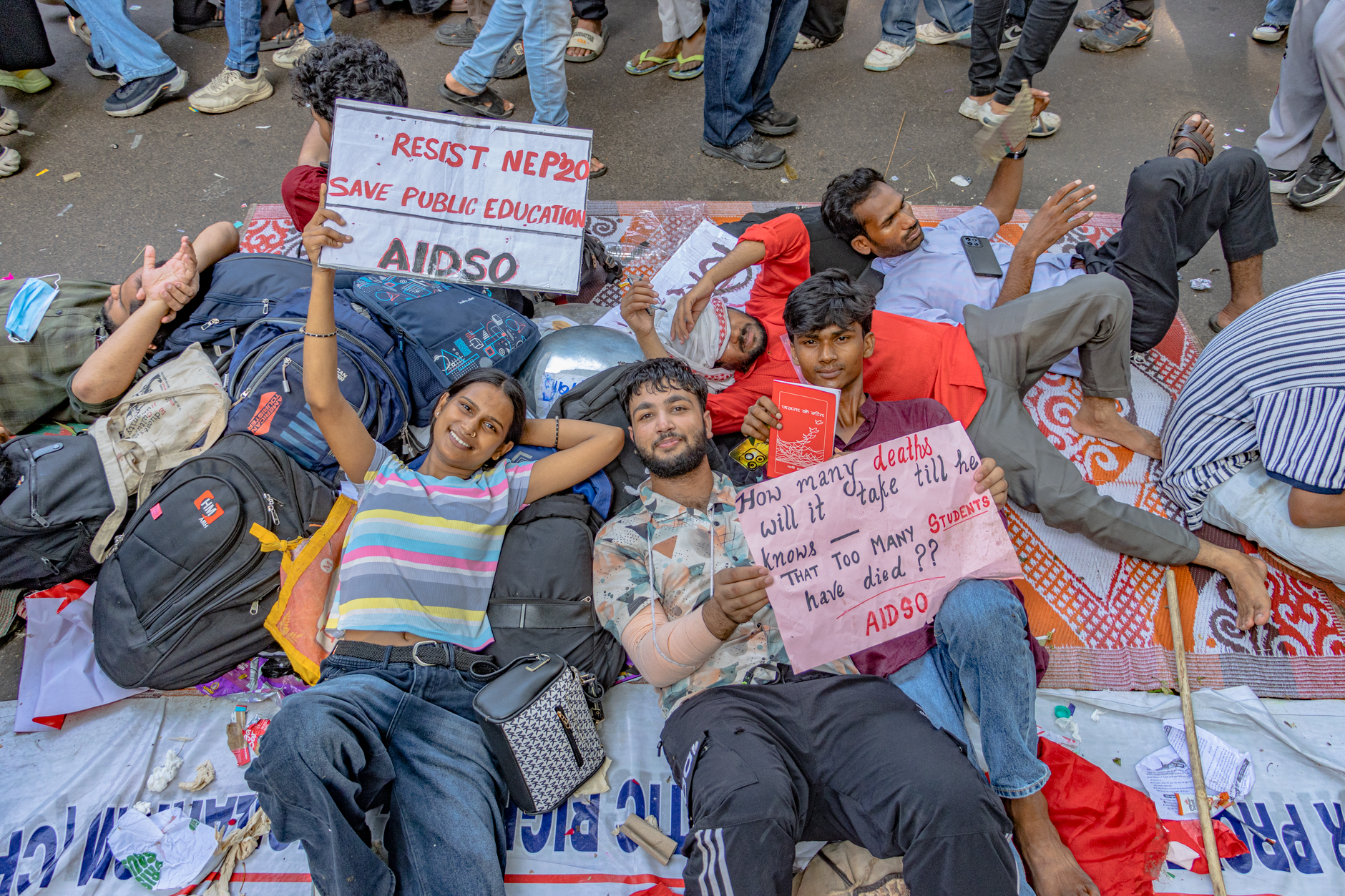
The resignation of India's Union Education Minister Dharmendra Pradhan has brought an end to one of the most unusual student protests in recent memory. The demonstrations, which became known for protesters releasing cockroaches as a symbolic gesture, reflected mounting anger over perceived failures in the country's education system, particularly concerning examination irregularities and administrative shortcomings.
Background of the Protests
Student protests in India have a long history of demanding reforms and accountability from educational institutions and government bodies. The recent demonstrations emerged from a complex web of grievances that had been building over time. Students and civil society groups had been expressing concerns about examination paper leaks, delays in result announcements, and what many perceived as inadequate responses to systemic problems affecting millions of students across the country.
The Chief Justice of India (CJP) had reportedly taken cognizance of various petitions related to educational matters, adding judicial pressure to the mounting public discontent. When students feel that regular channels of communication and grievance redressal are not yielding results, they often resort to creative and attention-grabbing forms of protest.
The Symbolic Cockroach Protest
The use of cockroaches in the protest was a deliberate symbolic choice by demonstrators. Cockroaches are universally associated with neglect, corruption, and systemic rot—metaphors that protesters felt aptly described the state of certain aspects of India's educational administration. By releasing these insects in public spaces or during demonstrations, protesters aimed to create a visual representation of their frustrations that would capture media attention and public imagination.
This form of protest reflects a broader trend among younger activists who seek innovative ways to communicate their messages in an age of social media and 24-hour news cycles. The shock value and symbolic resonance of such actions often succeed in bringing issues to national prominence that might otherwise remain confined to bureaucratic discussions.
Key Issues Driving Student Anger
Several factors contributed to the intensity of student demonstrations:
- Examination paper leaks that compromised the integrity of competitive examinations
- Delays in conducting examinations and announcing results, affecting students' academic and career timelines
- Alleged administrative failures in major educational boards and university systems
- Concerns about transparency and accountability in the education ministry's handling of crises
- Frustrations with the National Eligibility cum Entrance Test (NEET) and other centralized examination systems
Political Implications of the Resignation
The resignation of a cabinet minister is never a trivial matter in Indian politics. Education portfolios are considered particularly sensitive because they affect millions of families across the country. Parents and students form a significant voting bloc, and perceptions of mismanagement in education can have lasting political consequences.
Dharmendra Pradhan's tenure as Education Minister had seen both achievements and controversies. The New Education Policy implementation, infrastructure development initiatives, and digital education pushes were among the positive developments. However, the recent controversies appear to have created sufficient pressure to necessitate his departure from the position.
What This Means for India's Education System
The immediate cessation of protests following the minister's resignation suggests that students and civil society groups viewed his departure as a necessary step toward accountability. However, systemic reforms require more than personnel changes. The underlying issues that sparked these protests—examination security, administrative efficiency, and transparent governance—require sustained attention and structural improvements.
The next Education Minister will inherit a challenging portfolio with high expectations for reform. Students, parents, and educators will be watching closely to see whether this transition leads to meaningful changes in how India's vast education system is managed.
The Role of Student Activism
This episode highlights the continuing importance of student activism in Indian democracy. From the pre-independence freedom struggle to contemporary movements for educational reform, students have consistently played a crucial role in demanding accountability and driving social change. The success of these protests in achieving their immediate objective—the minister's resignation—may embolden future activism on educational and other issues.
The intersection of judicial oversight, public protest, and political accountability demonstrated in this case reflects the complex dynamics of governance in the world's largest democracy. As India continues to position itself as a global knowledge economy, ensuring the integrity and effectiveness of its education system remains paramount.