India is witnessing a fundamental transformation in how healthcare information is managed and accessed. The country's digital health infrastructure is evolving from a system where medical records were scattered across hospitals and clinics to one where citizens have direct ownership and control over their complete health history.
The Traditional Healthcare Record Challenge
For decades, Indian patients faced significant challenges managing their medical information. Paper-based records were easily lost, damaged, or misplaced during hospital visits. When switching doctors or seeking second opinions, patients struggled to provide complete medical histories. Critical information about allergies, previous treatments, or chronic conditions often remained trapped in individual hospital systems, making comprehensive care coordination difficult.
This fragmented approach led to duplicated tests, medication errors, and incomplete treatment plans. Patients had little agency in managing their own health data, relying instead on physical files and memory to piece together their medical journey.
The Ayushman Bharat Digital Mission Framework
The Indian government's Ayushman Bharat Digital Mission (ABDM) represents a cornerstone initiative in creating a unified digital health ecosystem. Launched to provide every citizen with a unique health identifier, the mission aims to create seamless access to health services and information.
Under this framework, citizens can create a unique Health ID that serves as a digital gateway to their complete medical history. This identifier links all health records across different healthcare providers, creating a longitudinal health record that moves with the patient rather than staying locked in institutional silos.
Key Components of Digital Health Ownership
The digital health infrastructure relies on several interconnected elements working together. Health Information Providers include hospitals, diagnostic laboratories, and clinics that generate medical data. These entities upload information to secure cloud-based systems with patient consent.
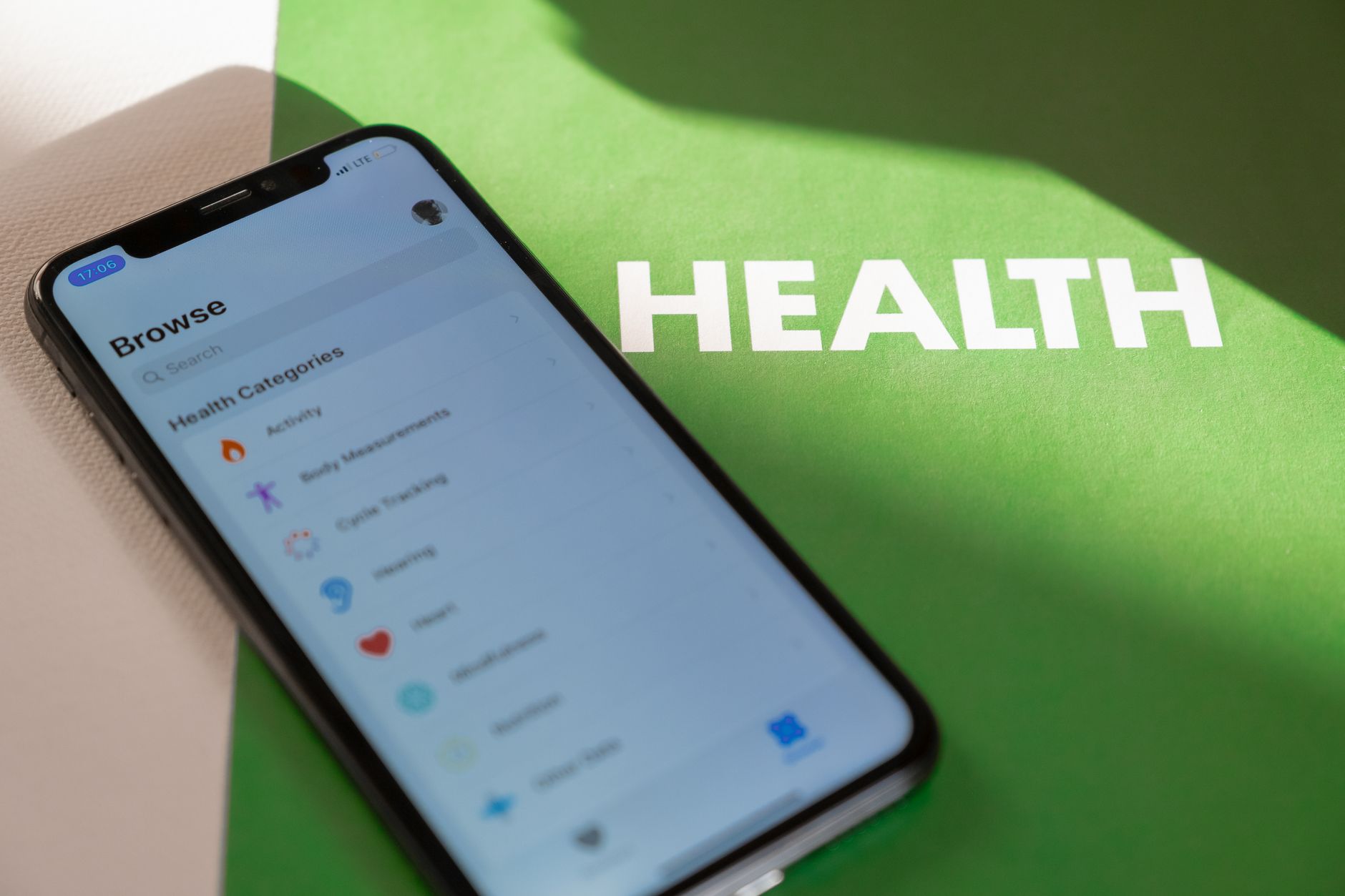
Personal Health Records applications allow citizens to access, view, and share their complete medical history through smartphones or computers. These apps integrate data from multiple sources, presenting a unified view of prescriptions, lab reports, discharge summaries, and vaccination records.
Healthcare professionals can access patient records with explicit consent, enabling informed decision-making during consultations. The consent-based architecture ensures patients control who can view their information and for what duration.
Privacy and Security Considerations
Digital health ownership raises important questions about data security and privacy. The framework incorporates multiple safeguards including end-to-end encryption, consent-based access controls, and strict regulations governing how health information can be used.
Citizens maintain the right to grant or revoke access to their health records at any time. No single entity owns the data—the patient remains the custodian. Healthcare providers and technology platforms act as data processors rather than owners, bound by legal obligations to protect information integrity.
Regulatory bodies enforce compliance with data protection standards, imposing penalties for breaches or unauthorized access. However, the success of these protections depends on robust implementation and continuous monitoring.
Practical Benefits for Citizens
The shift toward health data ownership delivers tangible benefits in daily healthcare experiences. Emergency situations become less chaotic when paramedics and emergency room doctors can instantly access a patient's medical history, allergies, and current medications.
Chronic disease management improves significantly when patients and doctors can review trends over time rather than relying on isolated snapshots. Diabetics can track glucose levels longitudinally, while cardiac patients can monitor blood pressure patterns across months or years.
Telemedicine consultations become more effective when remote doctors can review complete medical records rather than depending solely on verbal patient descriptions. This capability proved particularly valuable during pandemic-related restrictions on physical consultations.
Challenges and the Road Ahead
Despite promising developments, several challenges remain in achieving universal health data ownership. Digital literacy gaps mean many citizens, particularly in rural areas, may struggle to navigate health apps and portals. Infrastructure limitations including unreliable internet connectivity can hamper access to cloud-based records.
Healthcare providers face integration challenges connecting legacy hospital management systems with new digital health platforms. Smaller clinics and independent practitioners may lack resources for digital infrastructure investments.
Building public trust requires demonstrating that digital systems genuinely protect privacy and provide convenience rather than creating surveillance mechanisms. Transparent governance, strong enforcement of privacy regulations, and positive user experiences will prove crucial.
The vision of complete health data ownership represents more than technological advancement—it signifies a philosophical shift recognizing patients as active participants rather than passive recipients in their healthcare journey. As India's digital health ecosystem matures, the promise of empowered, informed healthcare decisions becomes increasingly achievable.
This article provides general information about digital health systems and should not be considered medical or legal advice. Consult qualified healthcare professionals for medical decisions and legal experts for questions about health data rights and privacy protections.