India's Generation Z, comprising roughly 472 million individuals born between 1997 and 2012, represents the largest youth cohort in the country's history. However, this demographic advantage is increasingly accompanied by a growing sense of frustration about the state of education and future prospects. Young Indians are voicing concerns that resonate across social media platforms, college campuses, and family discussions nationwide.
The Core Issues Driving Discontent
The frustration stems from multiple interconnected challenges. India's education system, despite significant expansion in enrollment numbers, faces persistent questions about quality and relevance. Many students report that curricula feel outdated, disconnected from industry needs, and focused excessively on rote memorization rather than critical thinking or practical skills.
The examination system itself has become a flashpoint. Competitive entrance tests for engineering, medical, and civil service positions see millions of applicants competing for limited seats. The pressure is immense, with students often spending years in coaching institutes preparing for single examinations that can determine their entire career trajectory.
Employment Challenges and the Skills Gap
Even after obtaining degrees, young Indians face a difficult job market. The mismatch between what universities teach and what employers need has created what economists call a "skills gap." Engineering graduates may struggle to find relevant work, forcing many to accept positions far below their qualification levels or in entirely different sectors.
Recent data suggests that a significant percentage of graduates in India are considered "unemployable" by industry standards, not due to lack of effort or intelligence, but because their education did not equip them with job-ready skills. This reality has led to widespread disillusionment among youth who invested years and substantial family resources in their education.
Rising Costs and Diminishing Returns
The financial burden of education has increased substantially. Private institutions charge significant fees, while coaching centers for competitive exams add another layer of expense. Middle-class families often exhaust their savings funding their children's education, expecting good returns through secure employment.
When these expectations are not met, the psychological and economic impact affects entire households. The traditional promise that education would guarantee upward mobility is being questioned by a generation that sees educated unemployment all around them.
Technology and Awareness Amplifying Voices
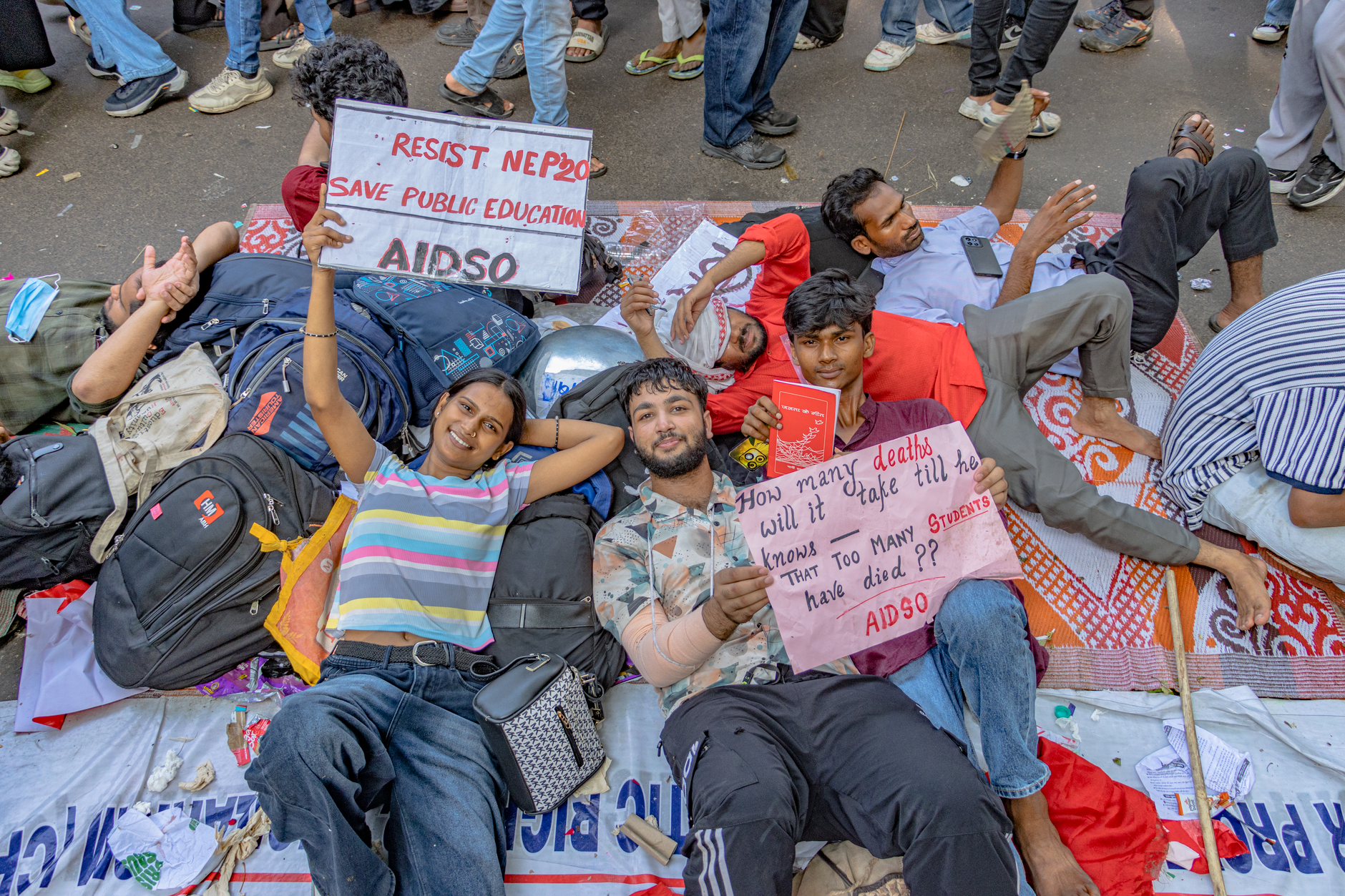
Unlike previous generations, today's youth have unprecedented access to information through smartphones and social media. They can compare their situation with global peers, understand alternative education models, and organize their frustrations into collective movements. This connectivity has transformed individual grievances into broader social conversations.
Young Indians are increasingly vocal about demanding reforms. They question why innovation and entrepreneurship are not more central to curricula, why practical internships are rare, and why academic research often seems disconnected from solving real-world problems.
The Demographic Opportunity at Risk
India's young population should theoretically be its greatest asset, providing a workforce as other major economies age. However, this "demographic dividend" can only be realized if young people receive quality education and find productive employment. Otherwise, it risks becoming a "demographic disaster" with millions of frustrated, underemployed youth.
Calls for Systemic Reform
The situation has prompted discussions about fundamental reforms. Suggestions include greater emphasis on vocational training, integration of industry partnerships into university programs, modernization of curricula, and expansion of research opportunities. There are also calls for rethinking the examination culture that reduces education to test-taking skills.
Some states have experimented with reforms, introducing new assessment methods or skill-based courses. However, implementing change across a country as vast and diverse as India remains enormously challenging.
The Political Dimension
Youth frustration with education and employment has inevitable political implications. Young voters represent a crucial demographic, and their concerns about opportunities and future prospects influence electoral outcomes. Political parties must address these issues substantively rather than through mere rhetoric if they hope to maintain credibility with this demographic.
The current discontent reflects deeper questions about development priorities, resource allocation, and what kind of future India is building for its youngest citizens. As this generation comes of age, their expectations and demands will shape policy debates for years to come.
The challenge for India is clear: transform an education system designed for a different era into one that prepares young people for the complexities of the 21st century, while simultaneously creating enough quality employment opportunities to match their aspirations and abilities.