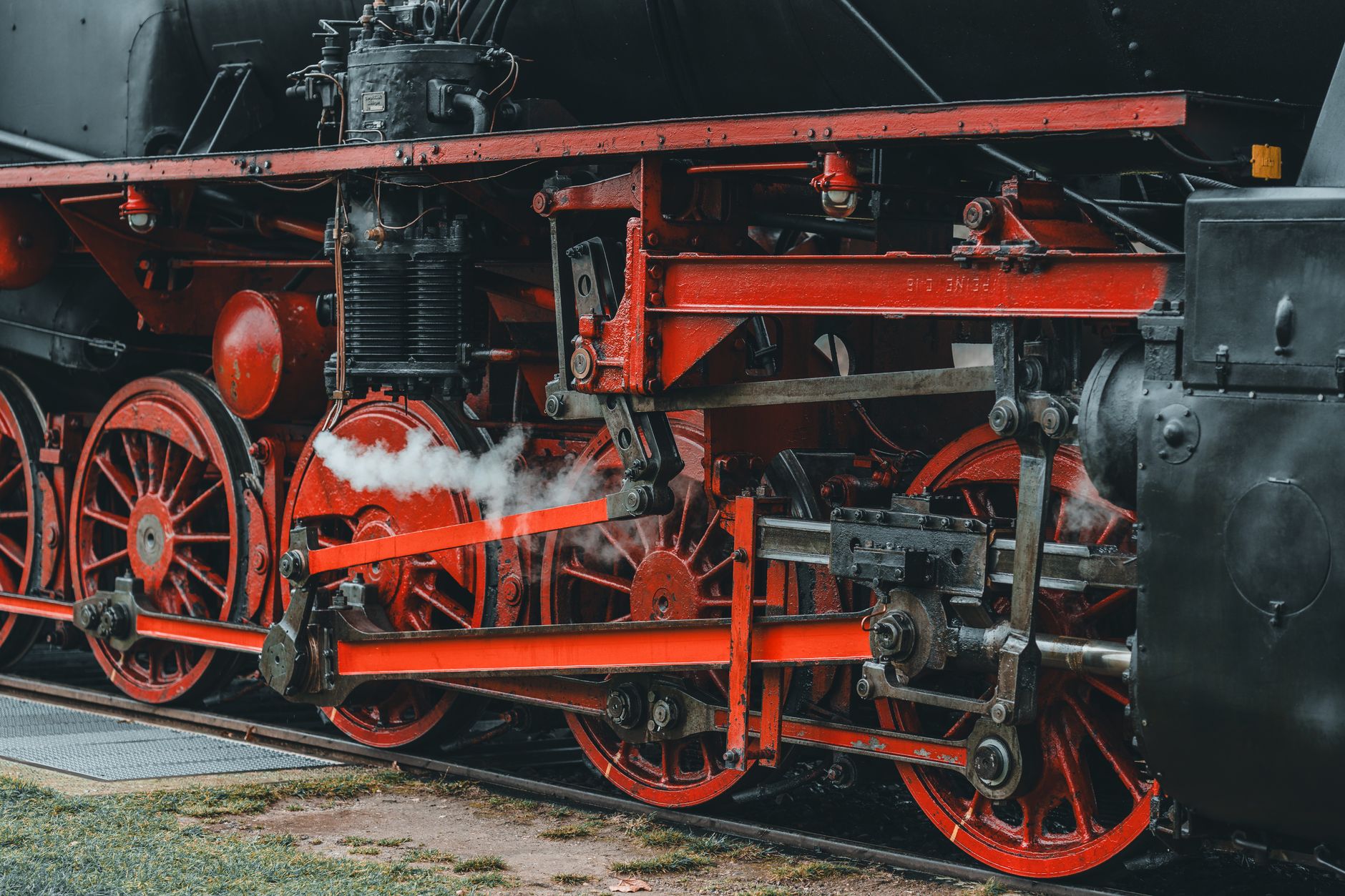
The Indian Ministry of Railways has announced the adoption of indigenous hydrogen fuel cell technology as part of its ambitious plan to decarbonize the country's vast rail network. This development represents a major leap forward in India's commitment to sustainable transportation and demonstrates the growing capabilities of domestic technological innovation in the clean energy sector.
Understanding Hydrogen Fuel Cell Technology
Hydrogen fuel cells generate electricity through an electrochemical process that combines hydrogen and oxygen, producing only water vapor and heat as byproducts. Unlike traditional diesel locomotives that emit harmful pollutants, hydrogen-powered trains offer a completely emission-free alternative. The technology works by passing hydrogen through a fuel cell stack where it reacts with oxygen from the air, creating electrical energy that powers the train's motors.
This technology is particularly suitable for railway applications because trains require consistent, high-power output over long distances. Hydrogen fuel cells can provide this power while being refueled much faster than battery-electric alternatives, making them practical for commercial railway operations.
Why Indigenous Development Matters
The emphasis on indigenous technology development carries multiple strategic advantages for India. By developing these systems domestically, the country reduces dependence on foreign technology imports, keeps costs lower, and ensures that expertise remains within the nation. This approach aligns with the government's "Make in India" initiative and strengthens the domestic manufacturing ecosystem.
Indigenous development also allows for customization suited to Indian conditions. The country's diverse climate zones, varying terrain, and specific operational requirements demand solutions tailored to local needs rather than adapted foreign technology.
Current State of Indian Railways Electrification
Indian Railways operates one of the world's largest railway networks, carrying over 8 billion passengers annually. While the network has made significant progress in electrification, with over 90 percent of routes now electrified, some sections remain dependent on diesel locomotives due to technical or economic constraints. Hydrogen fuel cell technology offers a solution for these remaining non-electrified routes without requiring expensive overhead electrification infrastructure.
Environmental and Economic Benefits
The transition to hydrogen-powered trains addresses multiple sustainability goals simultaneously. Transportation accounts for a significant portion of India's carbon emissions, and railways, despite being more efficient than road transport, still contribute through diesel consumption. Hydrogen trains eliminate these emissions entirely at the point of use.
From an economic perspective, hydrogen technology can reduce operational costs over time. While initial infrastructure investments are substantial, hydrogen can be produced domestically using renewable energy sources like solar and wind power through electrolysis. This reduces vulnerability to international fuel price fluctuations and improves energy security.
Infrastructure Requirements
Implementing hydrogen fuel cell trains requires developing supporting infrastructure including hydrogen production facilities, storage systems, and refueling stations along rail routes. The Ministry of Railways will need to establish this ecosystem gradually, likely starting with pilot routes before expanding to wider networks.
Production of green hydrogen using renewable energy will be crucial to ensuring the environmental benefits are realized throughout the supply chain. India has already announced ambitious green hydrogen production targets as part of its National Hydrogen Mission, which will support railway and other transportation applications.
Challenges and Timeline
Despite the promising technology, several challenges remain. Hydrogen production, storage, and transportation require careful handling due to safety considerations. The initial capital costs for converting or manufacturing hydrogen-powered locomotives and building refueling infrastructure are substantial.
Technical expertise in operating and maintaining hydrogen systems will need to be developed across the railway workforce. Additionally, establishing reliable green hydrogen supply chains will take time and coordinated effort across multiple government departments and private sector partners.
Global Context
India joins several countries exploring hydrogen railway technology, including Germany, which has already deployed commercial hydrogen trains, and Japan, China, and several European nations with active development programs. However, India's focus on indigenous development and its massive railway network scale make this initiative particularly significant globally.
The successful implementation of hydrogen trains in India could provide a template for other developing nations with large railway networks seeking sustainable transportation solutions. It also positions India as a potential exporter of hydrogen railway technology in the future.
The adoption of indigenous hydrogen fuel cell technology by Indian Railways represents more than just a technological upgrade—it signals a fundamental shift toward sustainable transportation infrastructure that balances environmental responsibility with economic development and energy security objectives.