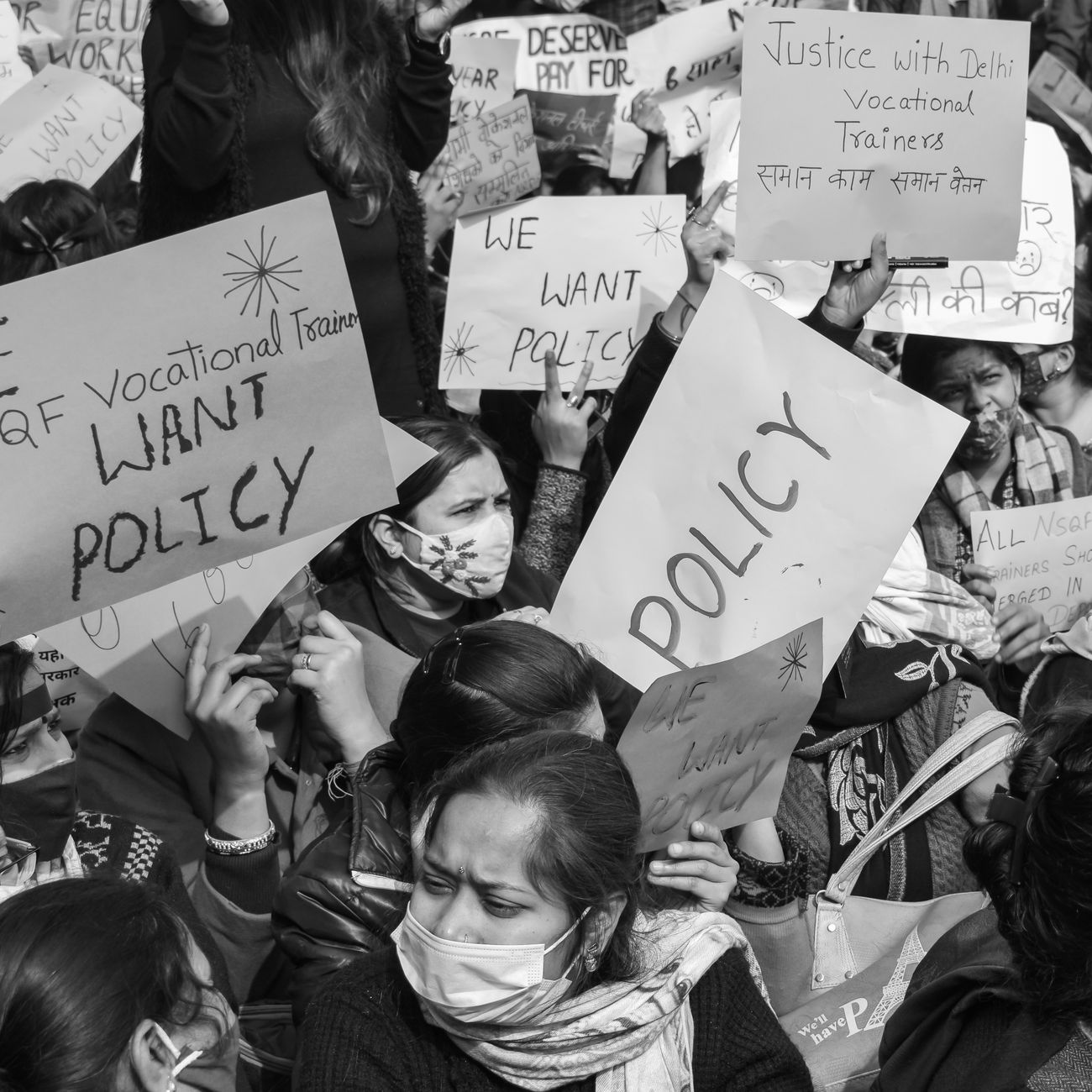
India has witnessed a significant surge in student-led protests across the country, with young Indians taking to the streets to voice their concerns about the state of education. While authorities have responded with some concessions, protesters are making it clear that temporary fixes and damage control measures will not suffice. They are demanding fundamental, systemic changes to transform India's educational landscape.
The Catalyst for Protest
Student activism in India has a long and storied history, but the current wave of protests reflects growing frustration among young people who see an education system struggling to meet modern demands. Issues ranging from examination policies and curriculum relevance to campus infrastructure and reservation policies have sparked widespread discontent. The digital age has amplified students' voices, allowing movements to spread rapidly across cities and campuses.
Many protesters point to a disconnect between what they learn in classrooms and the skills needed in a competitive global economy. Others highlight concerns about accessibility, affordability, and the mental health crisis affecting students who face immense academic pressure without adequate support systems.
Beyond Immediate Concessions
When protests gain momentum, government officials and education administrators often respond with immediate concessions or policy rollbacks. These quick fixes may address the specific trigger of a protest but rarely tackle underlying structural problems. This pattern has led to increasing skepticism among student activists who view such responses as damage control rather than genuine reform.
Young protesters are now articulating more comprehensive demands that include:
- Modernization of curricula to include critical thinking, vocational skills, and contemporary subjects
- Greater transparency in examination processes and evaluation methods
- Improved mental health resources and counseling services on campuses
- Better infrastructure and facilities at educational institutions
- More democratic participation in university governance and policy-making
- Addressing inequality in access to quality education across regions and communities
The Generational Divide
What distinguishes today's student protesters is their refusal to accept incremental change. Having grown up with access to global information and perspectives, young Indians increasingly compare their educational experiences with international standards. They are aware of innovative educational models worldwide and question why similar approaches cannot be implemented domestically.
This generation also brings a different relationship with authority. Rather than accepting institutional decisions without question, they demand accountability and participation in decision-making processes that affect their futures. Social media has empowered them to organize, document, and share their experiences in real time, making it harder for institutions to ignore their concerns or control the narrative.
The Broader Context
Student protests in India do not occur in a vacuum. They reflect broader anxieties about employment prospects, economic opportunities, and social mobility. With millions of young Indians entering the job market each year, the pressure on the education system to deliver relevant skills and credentials has never been higher.
The protests also intersect with other social movements, including those focused on social justice, environmental concerns, and political representation. Many student activists see educational reform as part of a larger project of transforming Indian society to be more equitable and responsive to young people's needs and aspirations.
Looking Forward
The sustained nature of recent protests suggests that students are prepared for a long-term struggle. Rather than dispersing after achieving initial victories, many are organizing into networks and advocacy groups to maintain pressure on decision-makers. They are documenting their demands, proposing alternative policies, and building coalitions with educators, parents, and civil society organizations.
Educational institutions and policymakers face a choice: engage seriously with student demands for systemic reform or continue with stopgap measures that may temporarily quiet protests but fail to address underlying grievances. The outcome will have significant implications not just for India's education system but for the country's economic development and social cohesion.
The Stakes Involved
How India responds to its young protesters will shape the experiences of hundreds of millions of students in the years ahead. Education reform is not merely about updating textbooks or changing examination patterns; it is about investing in human capital and ensuring that young Indians are equipped to thrive in the 21st century.
The protesters' message is clear: they want more than cosmetic changes or reactive policies. They are demanding a reimagined education system that serves their needs, respects their agency, and prepares them for the challenges and opportunities ahead. Whether their movement will achieve transformative change remains to be seen, but their voices have already shifted the conversation about education in India.