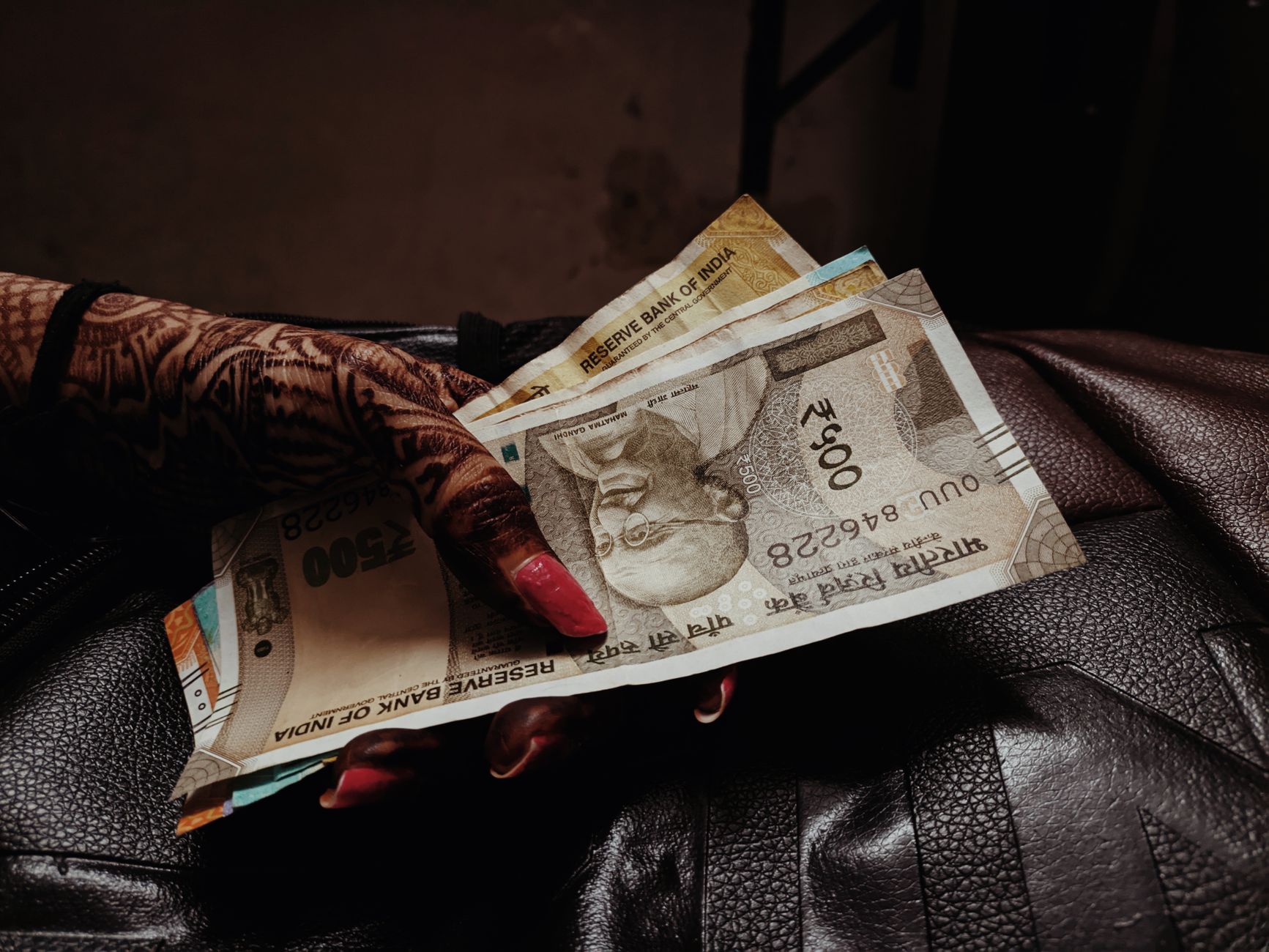
The concept of early retirement—stepping away from active work before the age of 60—has gained traction globally with movements like FIRE (Financial Independence, Retire Early). However, in the Indian context, achieving this goal presents formidable challenges that make it unattainable for the vast majority of the working population.
The Mathematical Reality
Early retirement fundamentally requires accumulating enough wealth to sustain 30-40 years or more of expenses without regular employment income. For someone aiming to retire at 45, their corpus must last potentially until age 85 or beyond, given increasing life expectancies.
The basic formula involves multiplying annual expenses by the number of retirement years, factoring in inflation, healthcare costs, and emergency buffers. For instance, if a household requires Rs 50,000 monthly (Rs 6 lakh annually), and plans for 40 retirement years with 6% annual inflation, the required corpus exceeds Rs 4 crore—a sum far beyond the reach of most Indian households.
Why Most Indians Cannot Retire Early
Several structural factors make early retirement mathematically improbable for over 90% of Indians:
- Low average incomes limit savings capacity, with the median Indian household earning under Rs 2 lakh annually
- High inflation, particularly in healthcare and education, erodes purchasing power faster than conservative investment returns
- Limited pension coverage, as most workers operate in the unorganized sector without employer-sponsored retirement benefits
- Family financial obligations, including supporting aging parents and funding children's education and marriages
- Inadequate financial literacy prevents optimal investment strategies and disciplined saving habits
The Savings Gap
Data indicates that Indian household savings rates, while historically robust, have declined in recent years. Even among middle-class families, the savings rate hovers around 20-25% of income. However, much of this goes toward real estate purchases, gold, or low-yield fixed deposits rather than wealth-generating assets.
For early retirement, financial experts recommend a savings rate of 50-70% of income sustained over 15-20 years—a threshold impossible for families managing current living expenses, rent, children's needs, and debt servicing.
Healthcare: The Wildcard Factor
India's out-of-pocket healthcare expenses remain among the highest globally as a percentage of total health spending. A single medical emergency can devastate retirement savings. With inadequate health insurance penetration—only about 35% of Indians have any form of health coverage—early retirees face catastrophic financial risks.
Age-related health conditions typically emerge after 50, meaning early retirees must budget for potentially three decades of increasing medical costs without employer-provided insurance, making the required corpus even larger.
The Real Estate Trap
Many Indians consider paid-off property as their retirement plan. However, property ownership doesn't generate monthly income unless rented, and selling one's primary residence to fund retirement often isn't culturally acceptable. Property also lacks liquidity during emergencies and involves maintenance costs.
Who Can Retire Early in India?
The small percentage who can achieve early retirement typically share certain characteristics:
- High-earning professionals in technology, finance, or entrepreneurship with incomes exceeding Rs 25-30 lakh annually
- Aggressive savers maintaining 60%+ savings rates
- Strategic investors utilizing equity markets, mutual funds, and diversified portfolios for wealth multiplication
- Individuals without substantial family financial obligations
- Those willing to adopt frugal lifestyles with significantly reduced post-retirement expenses
Alternative Approaches
Rather than complete retirement, many Indians adopt semi-retirement or financial independence models—continuing part-time work, consulting, or passion projects that generate some income while reducing the full-time work burden. This approach requires a smaller corpus while maintaining productivity and social engagement.
Others relocate to lower-cost towns or cities where the same corpus stretches further, or they pursue geographic arbitrage by spending time in more affordable countries.
Building Toward Financial Independence
While early retirement may be unrealistic, working toward financial independence remains worthwhile. This involves building emergency funds, eliminating debt, maximizing EPF and PPF contributions, investing systematically in equity mutual funds, securing comprehensive health insurance, and creating multiple income streams.
The journey requires starting early, maintaining discipline, and realistic goal-setting. For most Indians, a modified target—perhaps retirement at 55 instead of 45, or achieving financial flexibility rather than complete work cessation—represents a more mathematically feasible objective.
This article provides general information only and should not be considered personalized financial advice. Readers should consult qualified financial planners to assess their individual circumstances and create appropriate retirement strategies.