Israel's tourism authorities have set an ambitious target to restore visitor numbers from India to pre-war levels by 2027, signaling a strong push to rebuild one of its most promising tourism markets. The announcement comes as the country seeks to recover from the significant downturn in international tourism following regional conflicts that disrupted travel patterns and raised security concerns among potential visitors.
India's Growing Importance to Israeli Tourism
Indian tourists have emerged as a vital segment for Israel's tourism industry over the past decade. Before the recent conflicts, India was among the fastest-growing source markets for Israel, with visitors drawn to the country's rich religious heritage, historical sites, and Mediterranean coastline. Indian travelers, particularly those interested in Christian and Jewish pilgrimage sites, have shown consistent interest in destinations like Jerusalem, Bethlehem, the Dead Sea, and Tel Aviv.
The bilateral relationship between India and Israel has strengthened considerably in recent years, extending beyond defense and technology cooperation into cultural and tourism exchanges. This diplomatic warmth has created a favorable environment for travel, with both nations recognizing the economic and soft-power benefits of increased people-to-people connections.
Strategies to Attract Indian Travelers
Israeli tourism officials are implementing multiple strategies to achieve their 2027 target. Simplified visa procedures stand at the forefront of these efforts, as ease of entry remains a critical factor for Indian tourists when choosing international destinations. Streamlining application processes and potentially reducing processing times could significantly lower barriers to travel.
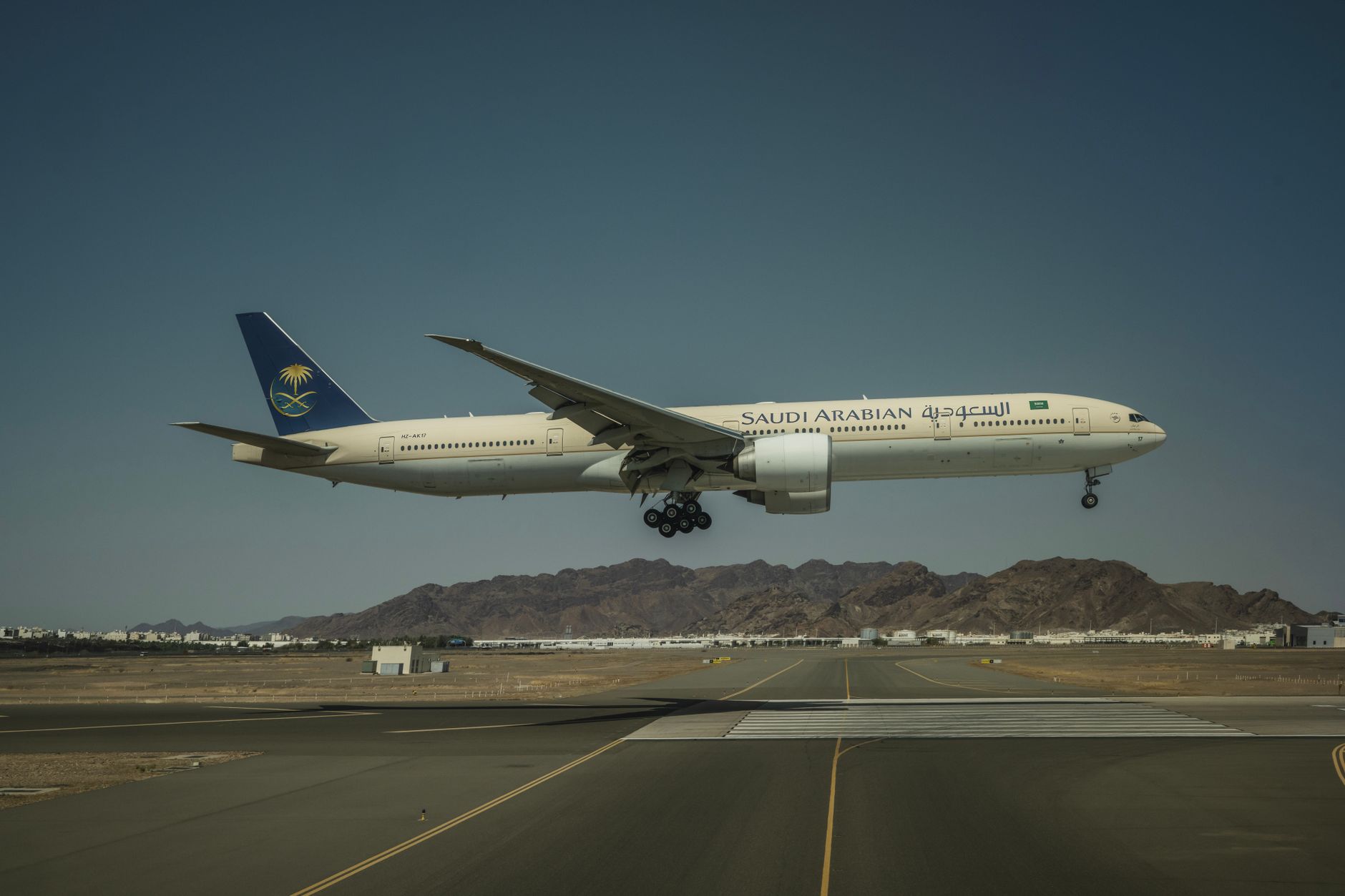
Enhanced air connectivity represents another key focus area. Direct flights and increased flight frequencies between major Indian cities and Tel Aviv make travel more convenient and often more affordable. Airlines have shown renewed interest in these routes as demand begins to recover, though the pace depends on sustained stability in the region.
Marketing campaigns tailored specifically to Indian audiences are being developed to highlight Israel's diverse attractions. These campaigns emphasize not only religious tourism but also adventure tourism, wellness experiences at the Dead Sea, and the vibrant food and nightlife scenes in cities like Tel Aviv. The tourism boards are leveraging social media influencers and travel bloggers popular among Indian audiences to showcase these experiences.
Addressing Security Concerns
The elephant in the room remains security perceptions. Many potential Indian travelers harbor concerns about safety due to ongoing regional tensions and periodic conflicts. Israeli authorities recognize that rebuilding confidence requires sustained periods of stability combined with transparent communication about security measures and safe travel practices.
Tourism operators are working to provide comprehensive information about security protocols, safe zones, and real-time updates during travel. Insurance products specifically designed for travel to regions with perceived risks are also being promoted to provide additional peace of mind for Indian travelers.
Economic Impact and Recovery Timeline
Tourism represents a significant contributor to Israel's economy, and the Indian market's recovery is seen as crucial to the sector's overall health. Indian tourists typically spend considerable amounts on accommodations, guided tours, shopping, and dining, making them valuable visitors from an economic perspective.
The 2027 timeline suggests a measured approach to recovery, acknowledging that rebuilding tourism takes time, especially when competing with other destinations that may be perceived as more stable. This three-to-four-year window allows for gradual market development, relationship building with Indian travel agencies, and the establishment of reliable travel infrastructure.
Regional Competition and Opportunities
Israel faces competition from other Middle Eastern destinations increasingly popular with Indian travelers, including the UAE, Turkey, and Egypt. These countries have invested heavily in attracting Indian tourism with competitive pricing, visa facilitation, and targeted marketing. However, Israel's unique combination of religious significance, historical depth, and modern amenities provides distinctive selling points that other destinations cannot easily replicate.
The success of Israel's ambitious target will depend on multiple factors beyond its control, including regional stability, global economic conditions, and the continued strengthening of India-Israel relations. However, the clear commitment to this goal, backed by concrete policy measures and marketing investments, indicates serious intent to reclaim and potentially exceed pre-war tourism levels from one of the world's largest and most enthusiastic traveling populations.