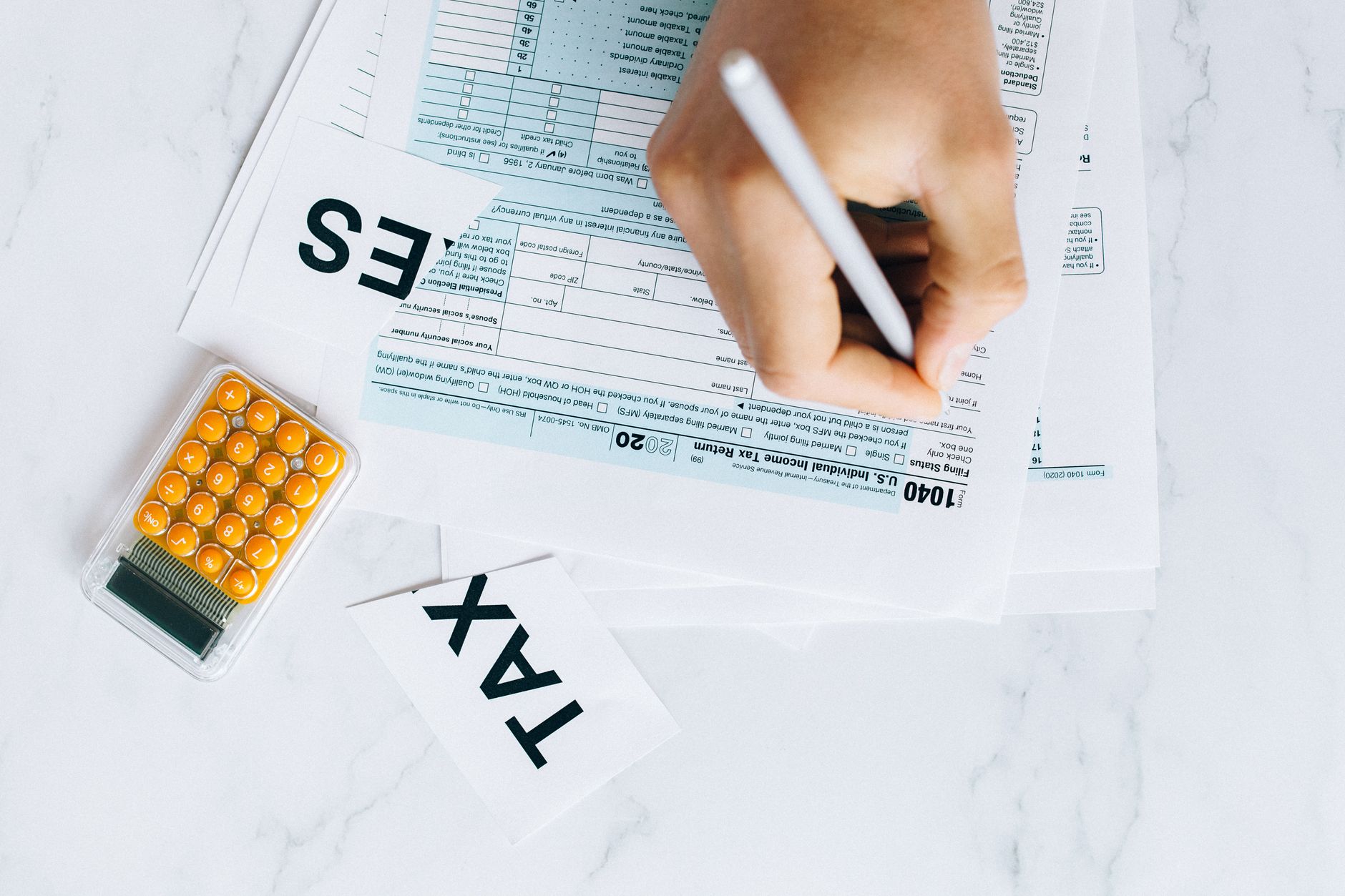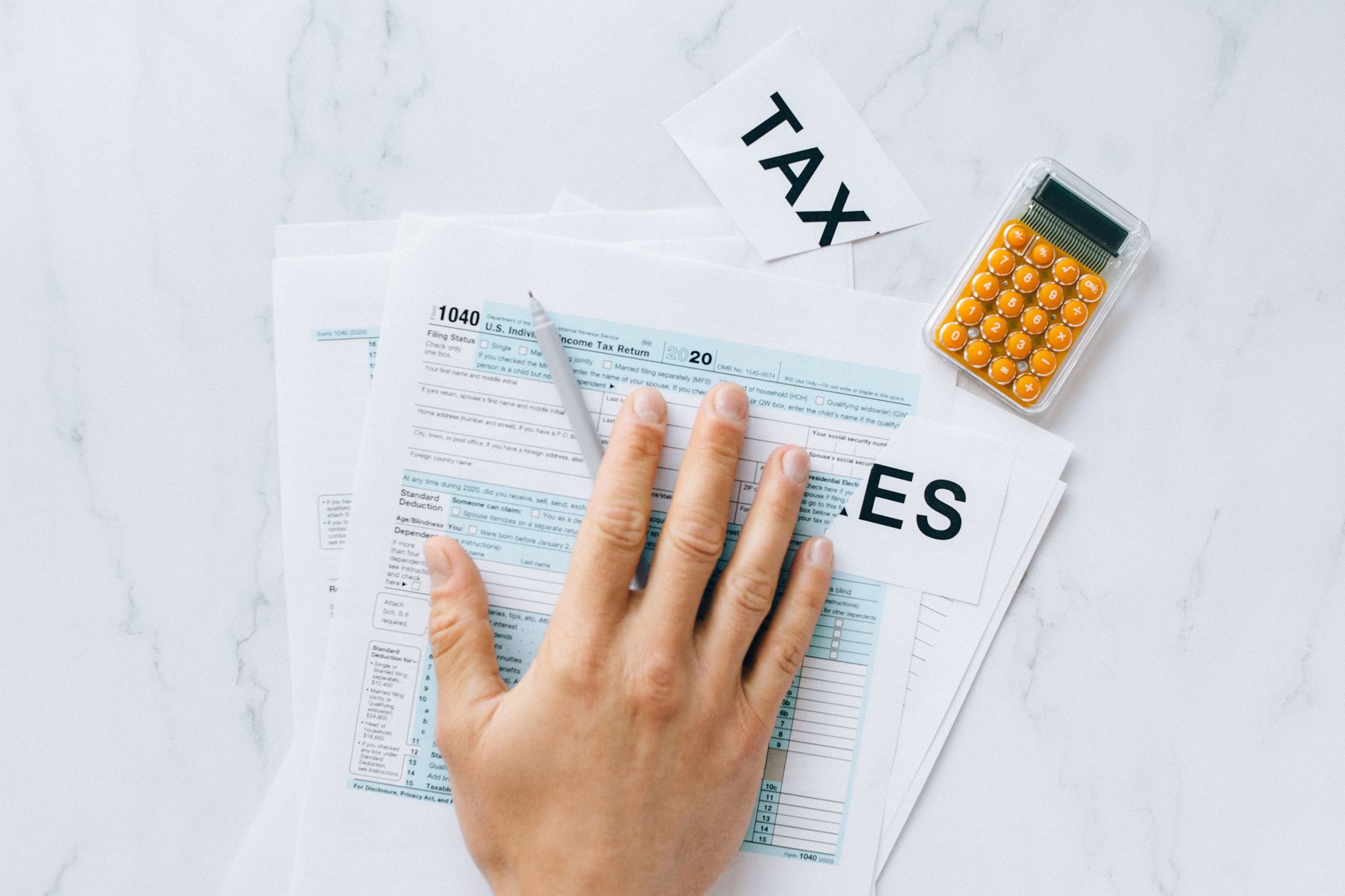
The income tax return filing season brings special considerations for those who have sold capital assets during the year. Whether you've cashed out investments in stocks, sold property, or traded cryptocurrency, these transactions attract capital gains tax and require specific reporting in your ITR.
Understanding Capital Gains Tax
Capital gains arise when you sell a capital asset at a price higher than its purchase cost. The tax treatment depends on two key factors: the type of asset sold and how long you held it before selling. This holding period determines whether your gains are classified as short-term or long-term, each carrying different tax implications.
Tax Rules for Share Transactions
For equity shares listed on recognized stock exchanges, the holding period threshold is 12 months. If you sell shares within 12 months of purchase, you earn short-term capital gains (STCG), taxed at 15 percent regardless of your income slab. Long-term capital gains (LTCG) on equity shares exceeding Rs 1 lakh in a financial year are taxed at 10 percent without indexation benefit.
Securities Transaction Tax (STT) must have been paid on both purchase and sale for these concessional rates to apply. If STT was not paid, different tax rates apply, and the gains are taxed as per your income tax slab.
Unlisted shares have a different holding period criterion of 24 months. Short-term gains on unlisted shares are added to your income and taxed at slab rates, while long-term gains attract 20 percent tax with indexation benefit.
Property Sale and Tax Implications
Real estate transactions follow a 24-month holding period rule to distinguish between short-term and long-term gains. Any immovable property held for less than 24 months generates short-term capital gains when sold, taxed according to your applicable income tax slab.
Long-term capital gains on property sale are taxed at 20 percent with indexation benefit. Indexation adjusts the purchase price for inflation using the Cost Inflation Index, thereby reducing your taxable gains significantly.
Property sellers can claim exemptions under specific sections. Section 54 allows exemption if you reinvest LTCG in another residential property within specified timelines. Section 54EC permits investment in specified bonds within six months to claim exemption up to Rs 50 lakh.
Cryptocurrency and Virtual Digital Assets
Cryptocurrency and other virtual digital assets (VDAs) introduced new tax provisions from April 2022. All gains from transfer of VDAs are taxed at a flat 30 percent rate, regardless of the holding period. No deduction except the cost of acquisition is allowed, meaning you cannot offset transaction fees, storage costs, or other expenses.
Additionally, a 1 percent TDS applies on VDA transactions above certain thresholds. Losses from cryptocurrency cannot be set off against any other income or carried forward to subsequent years, making crypto taxation particularly stringent.
Reporting Requirements in ITR
Choosing the correct ITR form is essential. If you have capital gains from any source, you typically need to file ITR-2 (for individuals not having business income) or ITR-3 (if you have business or professional income).
You must report all capital gains transactions in the designated schedules, even if the net result is a loss. The details required include date of purchase, date of sale, purchase price, sale price, expenses incurred, and the resulting gain or loss.
Tax deducted at source, advance tax paid, and self-assessment tax should be accurately reported. Maintain comprehensive documentation including contract notes, bank statements, property sale deeds, and broker statements for at least six years.
Set-Off and Carry Forward Provisions
Short-term capital losses can be set off against both short-term and long-term capital gains. However, long-term capital losses can only be adjusted against long-term capital gains. Unadjusted capital losses can be carried forward for eight assessment years, but only if you file your return by the original due date.
Important Deadlines and Compliance
Missing tax payments on capital gains can result in interest charges under Sections 234A, 234B, and 234C. If your total tax liability exceeds Rs 10,000, you're required to pay advance tax in installments throughout the year.
Accurate reporting prevents scrutiny notices and potential penalties. The Income Tax Department receives transaction data from stock exchanges, registrars, and other sources, making it essential to report all transactions truthfully.
This article provides general information only and should not be considered professional tax advice. Tax laws are subject to change, and individual circumstances vary. Consult a qualified chartered accountant or tax professional for personalized guidance specific to your situation before filing your income tax return.