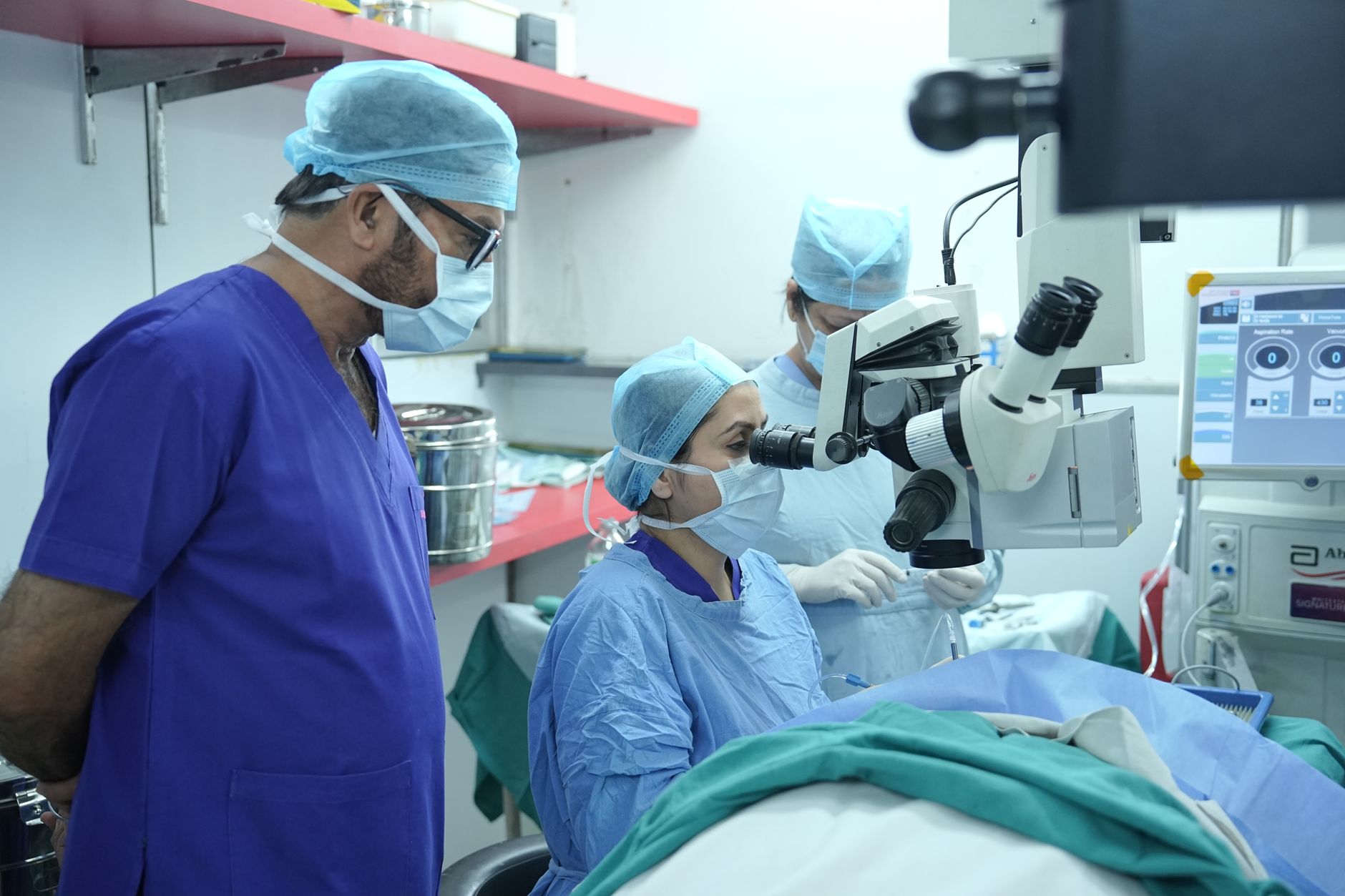
Japan and India, two of Asia's most influential economies, are expanding their strategic partnership into the healthcare sector, focusing on collaboration in medical technology and device manufacturing. This development represents a natural evolution of the longstanding relationship between the two nations and comes at a time when both countries are prioritizing healthcare innovation and self-reliance in medical equipment production.
Why Healthcare Collaboration Matters Now
The COVID-19 pandemic exposed vulnerabilities in global healthcare supply chains and highlighted the critical importance of domestic manufacturing capabilities for essential medical equipment. Both Japan and India recognized the need to diversify their healthcare infrastructure and reduce dependence on single-source suppliers. Japan brings advanced technology, precision manufacturing, and quality control expertise, while India offers a large manufacturing base, skilled workforce, and a rapidly growing domestic healthcare market.
The collaboration is also strategically significant given the broader geopolitical landscape in the Indo-Pacific region. Both nations share democratic values and have expressed commitment to maintaining a free and open Indo-Pacific, making cooperation in critical sectors like healthcare a natural extension of their partnership.
Key Areas of Potential Collaboration
The discussions between Japanese and Indian officials likely encompass several important domains within healthcare and medical devices:
Medical Device Manufacturing
Japan is renowned for its high-quality medical imaging equipment, diagnostic devices, and precision surgical instruments. Indian companies have demonstrated strong capabilities in producing cost-effective medical devices and have been working to upgrade their manufacturing standards. A partnership could involve technology transfer, joint ventures, and investment in Indian manufacturing facilities that meet international quality standards.
India's Production Linked Incentive scheme for medical devices has created an attractive environment for foreign investment, offering incentives for companies that establish or expand manufacturing operations in the country. Japanese companies could leverage these benefits while helping India achieve its goal of becoming a global medical device manufacturing hub.
Research and Development
Joint research initiatives could focus on developing affordable medical solutions tailored for Asian populations and tropical disease challenges. Both countries have strong pharmaceutical and biotechnology sectors that could benefit from collaborative research programs, particularly in areas like regenerative medicine, medical robotics, and digital health technologies.
Healthcare Infrastructure Development
Japan has extensive experience in building efficient healthcare systems and could share expertise in hospital management, elderly care solutions, and healthcare digitalization. India, with its massive healthcare infrastructure expansion underway, could benefit from Japanese know-how in designing sustainable and efficient medical facilities.
Training and Capacity Building
Exchange programs for medical professionals, technicians, and healthcare administrators could enhance skill levels and best practices sharing. Japanese expertise in maintaining stringent quality control and patient safety standards could be particularly valuable for India's expanding healthcare sector.
Economic Implications
For India, partnering with Japan could accelerate its vision of becoming atmanirbhar (self-reliant) in medical devices. Currently, India imports a significant portion of its medical equipment, creating trade imbalances and making healthcare more expensive. Manufacturing high-quality devices domestically could reduce costs and improve accessibility.
For Japan, India represents a massive market with growing healthcare spending and a middle class increasingly willing to pay for quality medical services. Japanese companies could benefit from lower manufacturing costs in India while maintaining quality standards, potentially making their products more competitive in global markets.
Challenges to Address
Despite the promising outlook, several challenges need attention. Regulatory harmonization between the two countries' medical device approval processes could streamline product launches. Intellectual property protection, quality assurance standards, and skilled workforce development will require careful attention to ensure successful collaboration.
Cultural and business practice differences will also need to be navigated thoughtfully, with both sides demonstrating flexibility and commitment to long-term partnership rather than quick gains.
The Road Ahead
As both nations advance these discussions, the focus will likely be on identifying specific projects and establishing frameworks for collaboration. Success stories from this partnership could serve as models for other bilateral healthcare collaborations in the region and contribute to building a more resilient and interconnected Asian healthcare ecosystem.
The Japan-India healthcare collaboration represents more than just an economic opportunity; it embodies a shared vision for accessible, quality healthcare and strategic cooperation in an increasingly complex global environment.