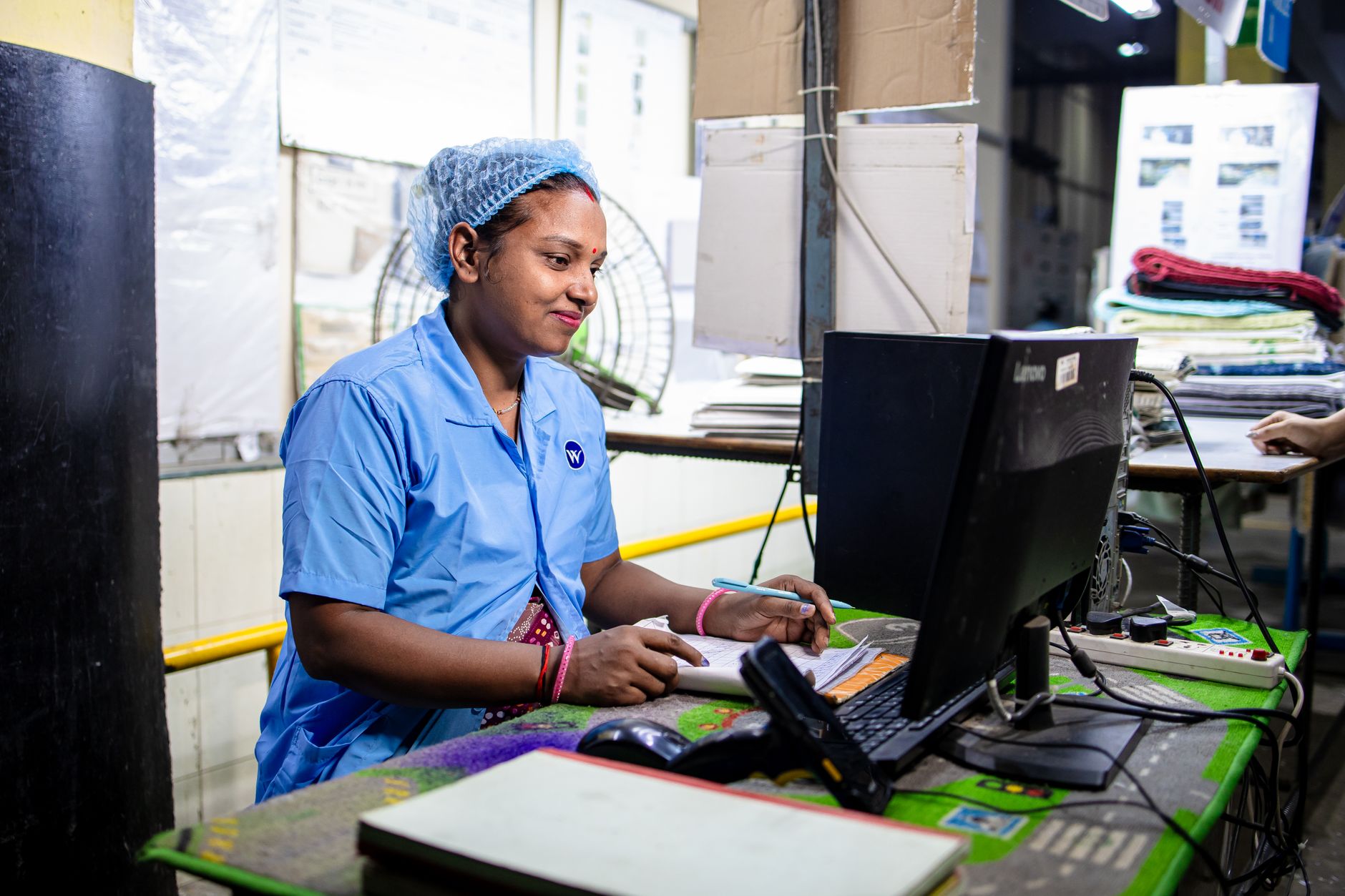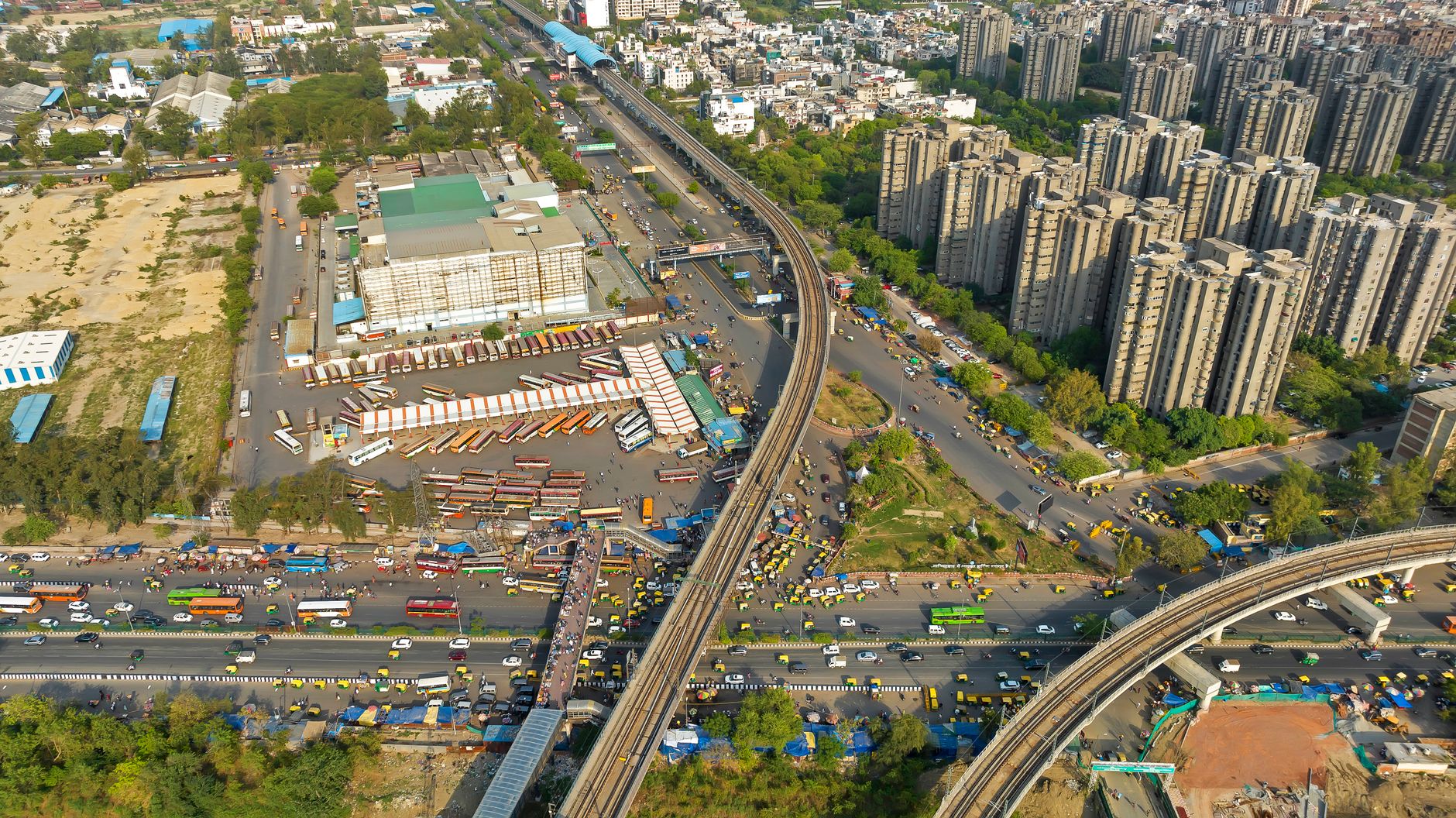
India's employment landscape is witnessing a significant transformation as tier-2 cities emerge as the new hotspots for career growth and opportunities. This shift marks a departure from the decades-old trend of talent migration toward metropolitan areas, signaling a structural change in how Indians perceive work and lifestyle.
The Great Urban Reversal
For years, cities like Bengaluru, Mumbai, and Delhi have been magnets for ambitious professionals seeking lucrative careers in technology, finance, and corporate sectors. However, recent patterns reveal a growing exodus from these overcrowded metros. Professionals are now gravitating toward cities like Pune, Ahmedabad, Coimbatore, Jaipur, Chandigarh, Kochi, Indore, and Bhubaneswar, driven by compelling economic and lifestyle factors.
The pandemic accelerated this trend by normalizing remote and hybrid work arrangements. Many professionals discovered they could maintain their careers while enjoying a higher quality of life outside expensive metropolitan areas. This realization has fundamentally altered location preferences for both employees and employers.
Why Tier-2 Cities Are Winning
Several factors make tier-2 cities increasingly attractive for both businesses and professionals:
- Significantly lower cost of living, with housing costs often 40-60% cheaper than metros
- Reduced traffic congestion and shorter commute times
- Better air quality and less environmental pollution
- Closer proximity to family and cultural roots
- Growing infrastructure and connectivity improvements
- Emerging startup ecosystems and business-friendly policies
The cost differential is particularly striking. A professional earning eight to ten lakh rupees annually can enjoy a comfortable middle-class lifestyle in a tier-2 city, whereas the same salary might barely cover basic expenses in Mumbai or Bengaluru.
Industries Driving the Shift
Technology companies have been pioneers in this decentralization. Major IT firms and startups are establishing development centers and satellite offices in tier-2 locations, recognizing the availability of quality talent at competitive salary levels. Cities like Coimbatore and Indore have developed robust tech parks attracting both domestic and international companies.
Manufacturing and e-commerce sectors are also expanding aggressively in these cities. The government's focus on improving logistics infrastructure through schemes like the National Logistics Policy has made tier-2 cities viable for warehousing, distribution, and light manufacturing operations.
Additionally, the education and healthcare sectors in these cities are creating white-collar employment opportunities. Private universities, corporate hospitals, and specialized institutions are recruiting professionals who previously would have only considered metro opportunities.
Challenges and Opportunities
Despite the positive momentum, tier-2 cities face certain challenges. Professional networking opportunities remain limited compared to metros, potentially affecting career advancement for some sectors. Specialized services, international schools, and certain lifestyle amenities still lag behind metropolitan standards.
However, state governments are actively addressing these gaps. Many have introduced dedicated policies to attract investment, offering tax incentives, land at subsidized rates, and streamlined approval processes. Cities are investing in social infrastructure, creating co-working spaces, improving public transportation, and developing entertainment and cultural venues.
Impact on Metro Cities
This talent redistribution presents both challenges and opportunities for metro cities. While they may experience reduced pressure on infrastructure and housing, they also risk losing competitive advantage in certain sectors. Forward-thinking metropolitan administrations are responding by improving livability, investing in public transport, and creating specialized economic zones.
The Future of Work in India
The rise of tier-2 cities represents more than just a temporary shift; it reflects a maturing economy where opportunities are geographically diversified. As digital infrastructure improves and more companies embrace location-agnostic hiring, this trend is likely to intensify.
Young professionals now have genuine choices about where to build their careers. The decision is no longer between career growth and quality of life but finding locations that offer both. This democratization of opportunity could lead to more balanced regional development, reducing the stark economic disparities between different parts of the country.
For employers, this shift offers access to untapped talent pools and operational cost savings. For employees, it means reclaiming time lost to commutes, affording better housing, and staying connected to family networks while pursuing ambitious careers.
The emergence of tier-2 cities as employment hubs represents a welcome rebalancing of India's economic geography, promising a future where opportunity is less concentrated and more widely distributed across the nation.