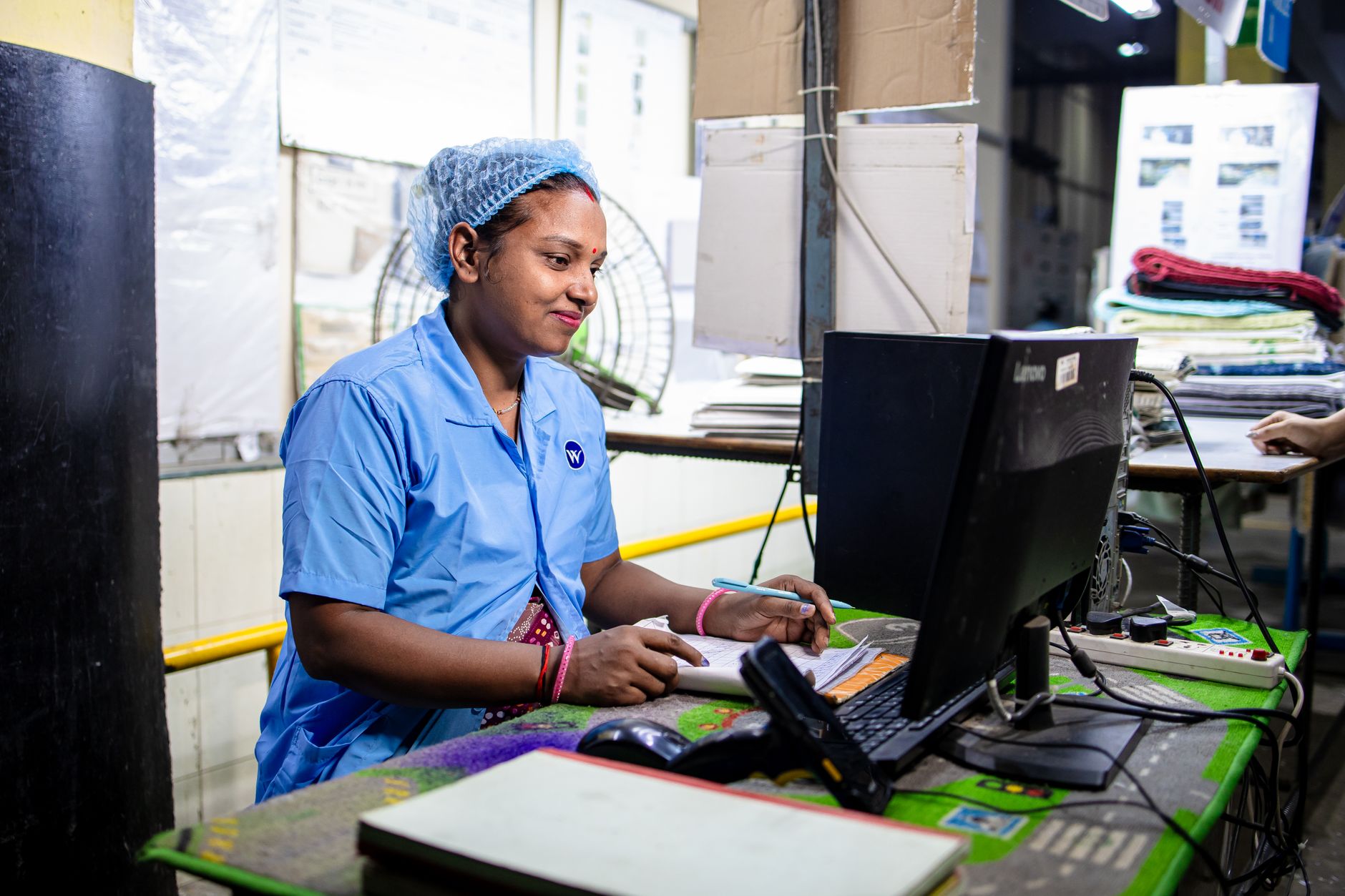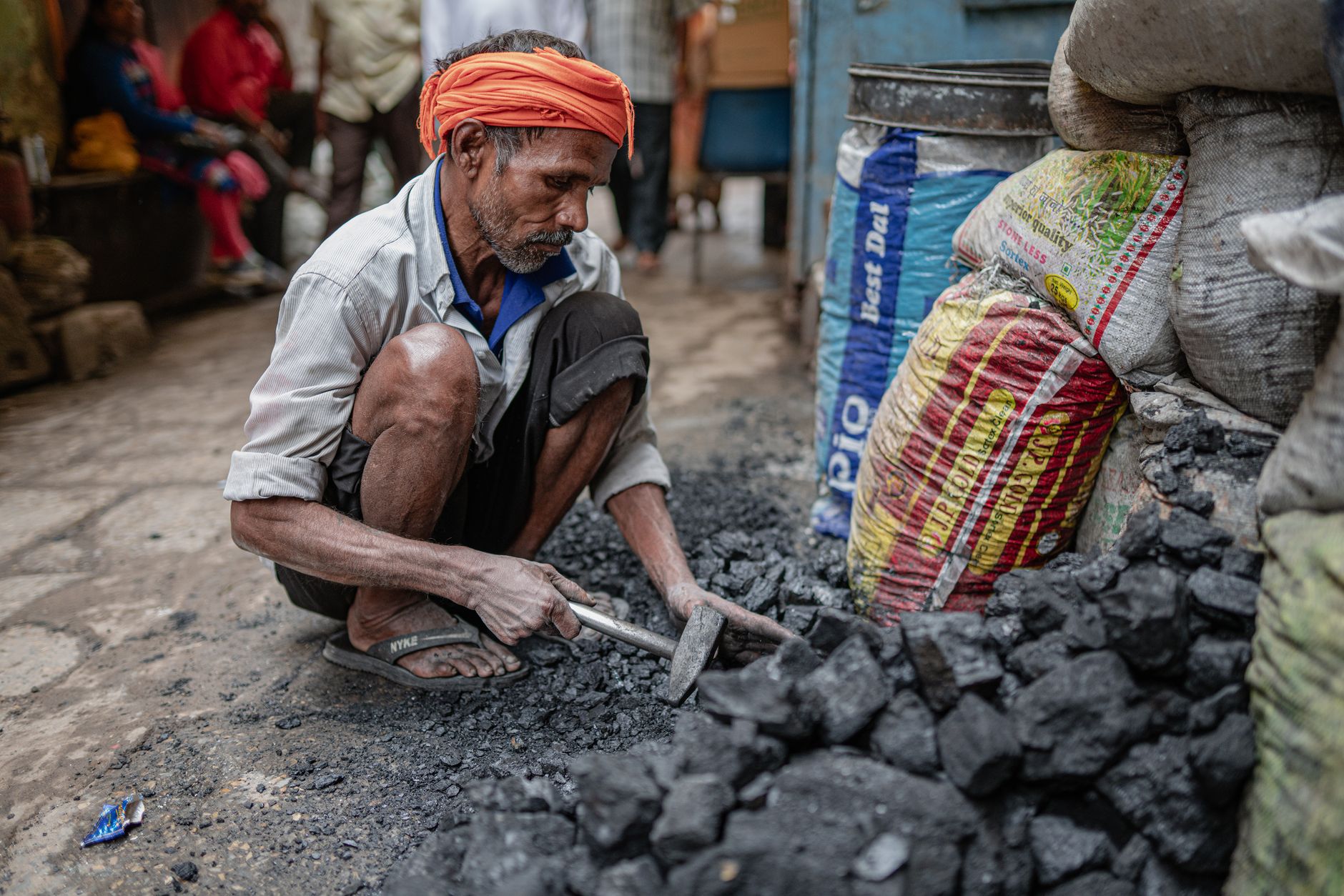
India's job market is witnessing a significant geographical transformation as tier-2 cities emerge as the new employment hubs, challenging the decades-long dominance of metropolitan centers. Cities like Pune, Ahmedabad, Jaipur, Chandigarh, Kochi, and Indore are experiencing unprecedented growth in job opportunities across technology, manufacturing, and service sectors.
The Great Indian Talent Migration
The pandemic fundamentally altered how India works, proving that productivity need not be tied to expensive metro office spaces. What began as a forced experiment has evolved into a permanent shift in professional preferences. Skilled professionals are now voluntarily relocating to tier-2 cities or returning to their hometowns, seeking better work-life balance without sacrificing career growth.
This migration is particularly pronounced among mid-career professionals aged 30-45 who have accumulated experience in metros but are reassessing their priorities. The astronomical cost of housing in Bengaluru, Mumbai, and Delhi—often consuming 40-50 percent of monthly income—has become a primary push factor. In contrast, tier-2 cities offer comparable or better housing quality at a fraction of the cost.
Why Companies Are Following the Talent
Forward-thinking employers are establishing operations in tier-2 locations for compelling business reasons. Real estate costs for office spaces in these cities can be 50-70 percent lower than in traditional metros. Additionally, employee attrition rates tend to be lower in tier-2 cities where professionals feel more rooted to their communities.
The talent pool in these cities has also matured significantly. Local engineering colleges, management institutes, and skill development centers have improved their curricula, producing job-ready graduates. Many tier-2 residents who previously migrated to metros for education are now returning with valuable experience and networks.
Sectors Leading the Charge
- Information Technology and IT-enabled Services remain the biggest job creators, with major companies opening development centers and back-office operations
- E-commerce and logistics companies are establishing warehousing and distribution hubs to serve growing regional markets
- Manufacturing units, particularly in electronics, automotive components, and pharmaceuticals, are expanding due to favorable state policies
- Education technology and online services firms are tapping into local talent for content creation, customer service, and regional market expertise
- Banking, financial services, and insurance sectors are decentralizing operations beyond metro branches
Infrastructure as the Foundation
The tier-2 success story rests on significant infrastructure improvements over the past decade. Better airports with increased connectivity have made these cities accessible for business travel. High-speed internet penetration rivals that of metros, enabling seamless remote collaboration. Improved roads, metro systems in select cities, and expanding healthcare facilities have addressed previous quality-of-life concerns.
State governments have played a crucial role through industrial parks, technology zones, and startup incubators, often offering tax incentives and simplified regulatory processes. Cities like Visakhapatnam, Coimbatore, and Bhubaneswar have positioned themselves as emerging tech hubs through targeted policy interventions.
The Quality of Life Advantage
Beyond economics, tier-2 cities offer tangible lifestyle benefits. Commute times average 20-30 minutes compared to 60-90 minutes in metros, giving professionals several additional hours weekly. Access to green spaces, less air pollution, and stronger community connections contribute to better mental and physical health.
The cultural shift is equally important. In metros, social isolation and nuclear family structures create support challenges. Tier-2 cities often allow professionals to live closer to extended family, providing built-in childcare support and eldercare solutions—factors especially valued by working parents.
Challenges That Remain
Despite rapid progress, tier-2 cities face obstacles in sustaining this growth. Limited availability of specialized professional services, fewer premium educational institutions, and restricted entertainment and dining options still drive some talent back to metros. The depth of job opportunities in niche specializations remains limited, potentially affecting long-term career mobility.
Additionally, compensation packages in tier-2 cities, while adjusted for cost of living, may not always match metro salaries in absolute terms, creating retention challenges when metro-based companies recruit aggressively.
The Road Ahead
This decentralization of India's job market appears sustainable rather than cyclical. As tier-2 cities continue developing infrastructure and amenities while maintaining their cost advantages, they are likely to capture an increasing share of quality employment. For professionals, the expanding options mean greater freedom to choose locations aligned with personal priorities rather than being forced into a handful of overcrowded metros.
The transformation reflects India's economic maturation, where growth and opportunity are no longer concentrated in a few urban centers but distributed more equitably across the nation's diverse cities.