Manipal Health Enterprises, one of India's leading private healthcare providers, has opened its initial public offering (IPO) with a price band of Rs 560 to Rs 590 per share. This marks a significant milestone in India's healthcare sector, representing the largest healthcare IPO in the country's history.
Understanding the Manipal Health IPO
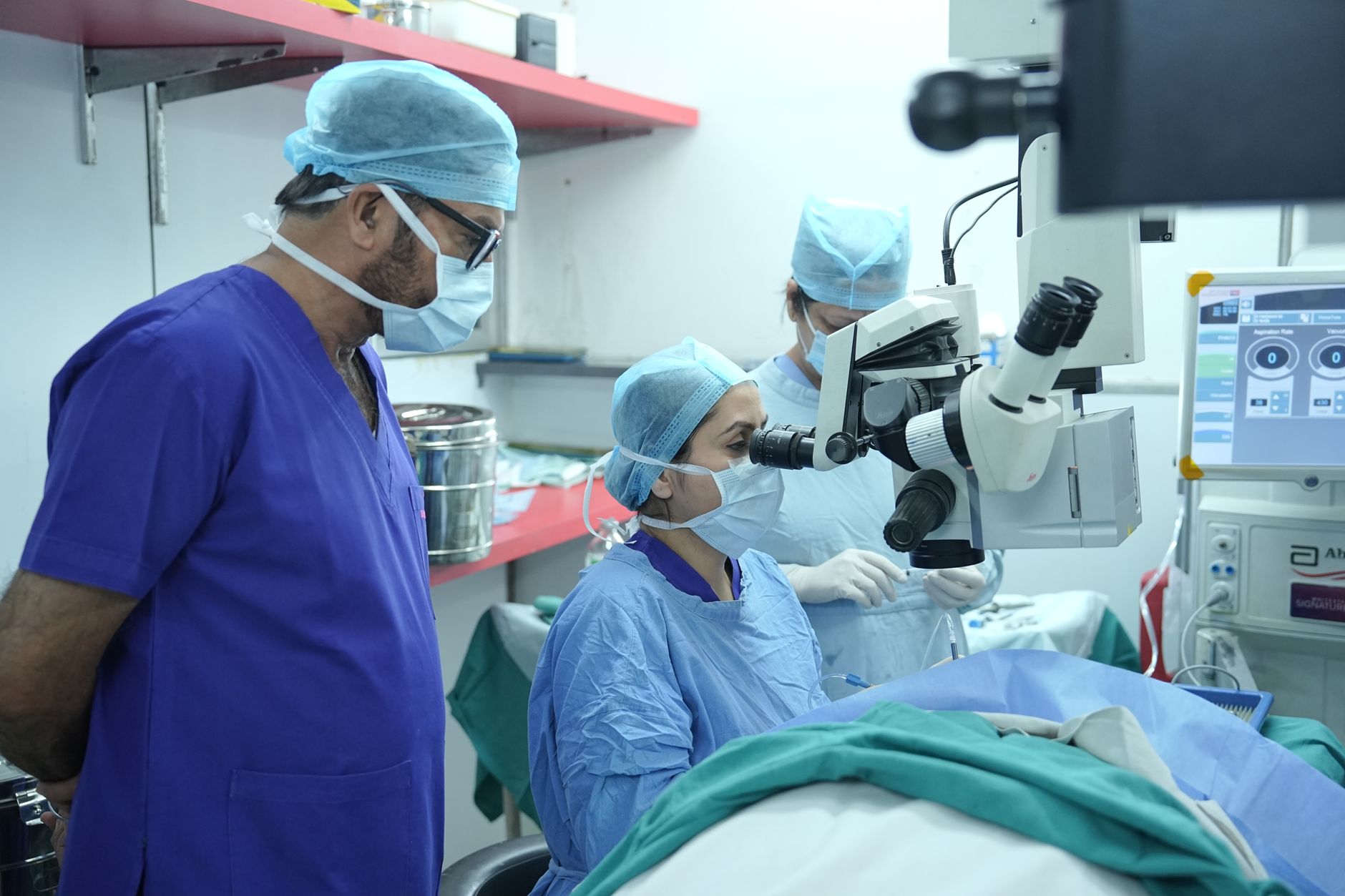
The Manipal Health IPO represents an opportunity for retail and institutional investors to own a stake in one of India's most established healthcare networks. The company operates multiple hospitals across India under various brands, providing tertiary and quaternary care services to millions of patients annually.
An IPO allows private companies to raise capital from public markets by offering shares to investors. The price band indicates the range within which investors can bid for shares, with the final price determined based on demand and allocation principles.
What Makes This IPO Significant
The healthcare sector in India has witnessed tremendous growth, particularly following the COVID-19 pandemic, which highlighted the critical importance of robust healthcare infrastructure. Several factors make this IPO noteworthy:
- Scale of offering makes it the largest healthcare IPO in Indian market history
- Timing coincides with increased investor interest in healthcare infrastructure
- Represents opportunity to invest in organized healthcare sector growth
- Reflects maturity of India's private healthcare industry
The Indian Healthcare Landscape
India's healthcare sector has been experiencing rapid expansion driven by rising income levels, increased health awareness, and growing prevalence of lifestyle diseases. The private healthcare segment has been at the forefront of this growth, filling gaps in infrastructure and specialized care services.
The organized hospital chains have been consolidating their presence, expanding into tier-2 and tier-3 cities, and enhancing their service offerings. This expansion has required significant capital investment, making public market fundraising an attractive option for growth-oriented healthcare companies.
Investment Considerations
Before investing in any IPO, including Manipal Health, potential investors should evaluate several factors:
The company's track record in terms of patient outcomes, operational efficiency, and financial performance provides insight into management quality and business sustainability. Revenue growth, profitability margins, and debt levels are crucial metrics for healthcare providers.
Healthcare companies face unique regulatory environments, requiring compliance with medical standards, licensing requirements, and quality certifications. Understanding these regulatory frameworks helps assess operational risks.
The competitive landscape includes other major hospital chains, standalone specialty hospitals, and emerging healthcare platforms. Market positioning and differentiation strategies matter significantly in this space.
Key Factors Driving Healthcare Investments
India's healthcare sector benefits from several long-term demographic and economic trends. The aging population requires more medical interventions, while the growing middle class seeks quality healthcare services. Medical tourism has also positioned India as a destination for cost-effective treatments.
Technology integration in healthcare through electronic medical records, telemedicine, and AI-driven diagnostics represents another growth avenue. Healthcare providers investing in digital infrastructure may gain competitive advantages.
IPO Process and Participation
Investors interested in participating in the IPO can do so through their brokerage accounts during the subscription period. The process involves:
- Opening a demat and trading account if not already available
- Checking eligibility and category (retail, HNI, institutional)
- Submitting bids within the specified price band
- Awaiting allotment based on subscription levels
- Receiving allocated shares in demat account post-listing
Retail investors typically receive preferential allotment in IPOs, though the exact shares allocated depend on overall subscription levels.
Risks to Consider
While the healthcare sector offers growth potential, investors should be aware of inherent risks. Regulatory changes can impact operations and profitability. High capital expenditure requirements for expansion and equipment upgrades can strain finances.
Healthcare providers face reputational risks from medical outcomes and patient satisfaction issues. Competition from new entrants and existing players can pressure margins. Changes in insurance reimbursement policies and government healthcare schemes can affect revenue patterns.
Broader Market Context
The success of this IPO will be influenced by overall market conditions, investor sentiment toward healthcare stocks, and comparative valuations. Recent performance of listed healthcare companies provides context for valuation expectations.
**Disclaimer:** This article is for informational purposes only and should not be considered investment advice. Investing in IPOs carries risks, and potential investors should conduct thorough due diligence, review the company's offer documents, and consult with qualified financial advisors before making investment decisions.