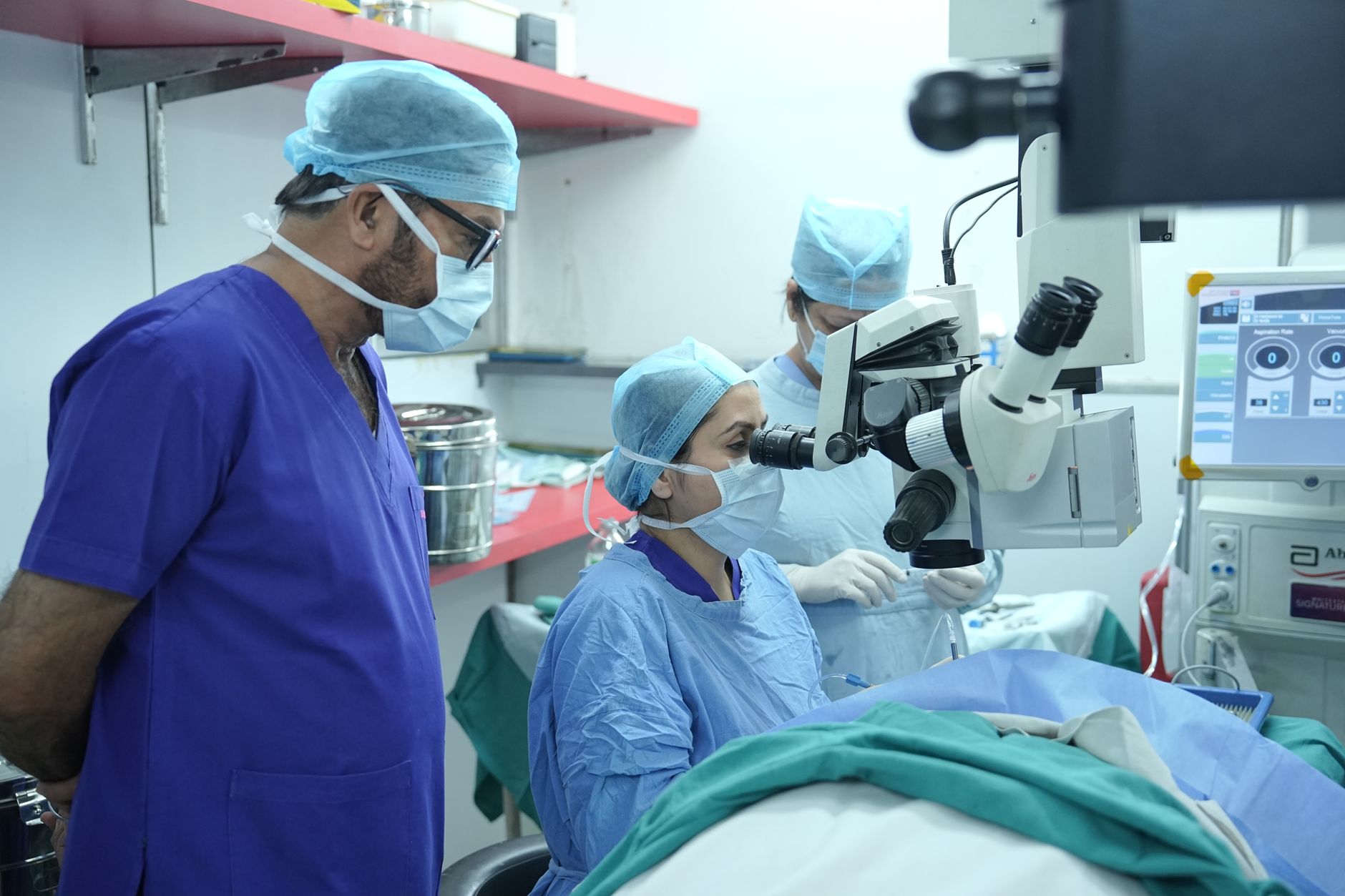
Non-communicable diseases (NCDs) in children represent a growing public health challenge in India, yet they often receive less media attention compared to infectious diseases. Recognizing this gap, UNICEF India partnered with the Press Information Bureau (PIB) Western Zone and the All India Institute of Medical Sciences (AIIMS), Nagpur to organize a specialized two-day workshop aimed at equipping journalists and media professionals with the knowledge and tools needed to report effectively on this critical issue.
Understanding Childhood NCDs
Non-communicable diseases are medical conditions that are not transmitted from person to person. While traditionally associated with adults, NCDs are increasingly affecting children in India. These include conditions such as childhood obesity, type 2 diabetes, congenital heart defects, asthma, childhood cancers, and mental health disorders.
The rise in childhood NCDs in India can be attributed to several factors including changing dietary patterns, sedentary lifestyles, environmental pollution, genetic predisposition, and inadequate screening during early developmental stages. Unlike infectious diseases, NCDs require long-term management and can significantly impact a child's quality of life, educational outcomes, and future productivity.
The Role of Media in Public Health Awareness
Media professionals serve as crucial intermediaries between health experts and the general public. Accurate, sensitive, and informative reporting on childhood NCDs can help raise awareness among parents, educators, policymakers, and healthcare providers. However, reporting on pediatric health issues requires specialized knowledge to avoid misinformation, sensationalism, or stigmatization of affected children and families.
The media capacity-building workshop addressed these challenges by providing journalists with evidence-based information, access to medical experts, and ethical guidelines for reporting on vulnerable populations. Such initiatives help create a more informed media landscape that can drive positive behavioral change and policy advocacy.
Workshop Objectives and Content
Capacity-building workshops of this nature typically cover several important areas. Participants likely received training on the epidemiology of childhood NCDs in India, understanding risk factors and prevention strategies, and the latest treatment protocols and medical advancements. The workshop probably included sessions on ethical reporting practices when covering stories involving children, techniques for translating complex medical information into accessible content for general audiences, and the importance of data journalism in health reporting.
By bringing together UNICEF's global expertise in child health, PIB's understanding of information dissemination, and AIIMS Nagpur's clinical knowledge, the workshop offered a comprehensive learning experience for media professionals from the Western Zone and potentially beyond.
Why This Initiative Matters Now
India is experiencing an epidemiological transition where NCDs are becoming leading causes of morbidity and mortality even as infectious diseases remain significant concerns. Children are not immune to this shift. Recent studies have shown alarming increases in childhood obesity rates in urban India, rising incidence of type 2 diabetes among adolescents, and growing mental health challenges among school-going children.
Early detection and intervention are critical for managing childhood NCDs effectively. Media reporting can play a vital role in educating parents about warning signs, encouraging regular health check-ups, and promoting healthy lifestyle choices from an early age. Well-informed journalists can also hold health systems accountable and advocate for better pediatric NCD services.
The Path Forward
Media capacity-building is not a one-time exercise but requires continuous engagement and updating as medical knowledge evolves. Workshops like this create networks of informed journalists who can serve as resources within their organizations and mentor colleagues on responsible health reporting.
For the initiative to have lasting impact, follow-up activities such as resource sharing, access to expert panels, and periodic refresher sessions would be beneficial. Additionally, collaboration between media houses and health institutions can facilitate more investigative and in-depth reporting on systemic issues affecting childhood NCD prevention and management.
As India works toward achieving its Sustainable Development Goals and improving child health outcomes, informed media coverage will remain an essential tool for mobilization, education, and advocacy in the fight against childhood non-communicable diseases.
This article is for general informational purposes only and does not constitute medical advice. Parents concerned about their child's health should consult qualified healthcare professionals for proper diagnosis and treatment.