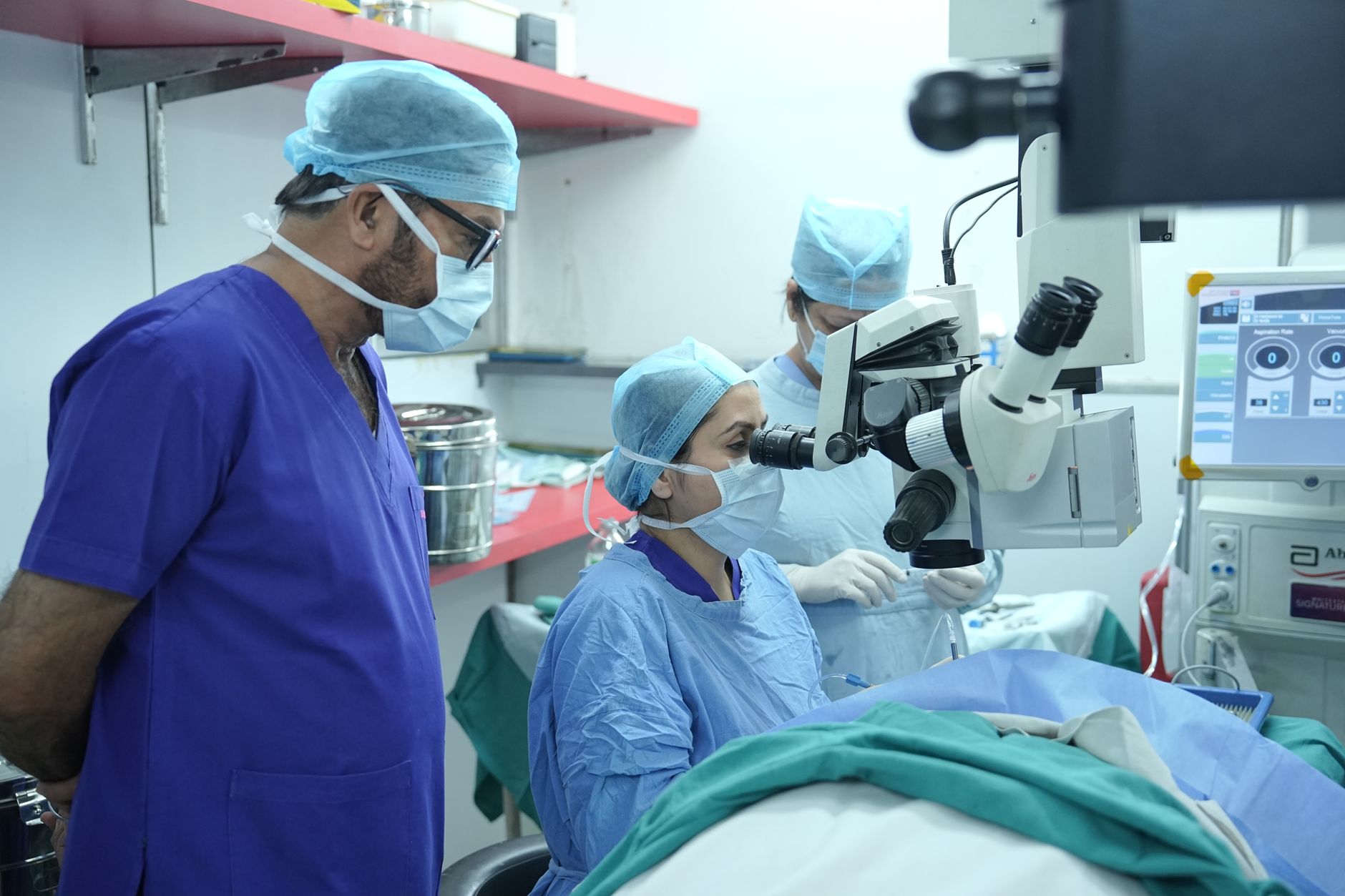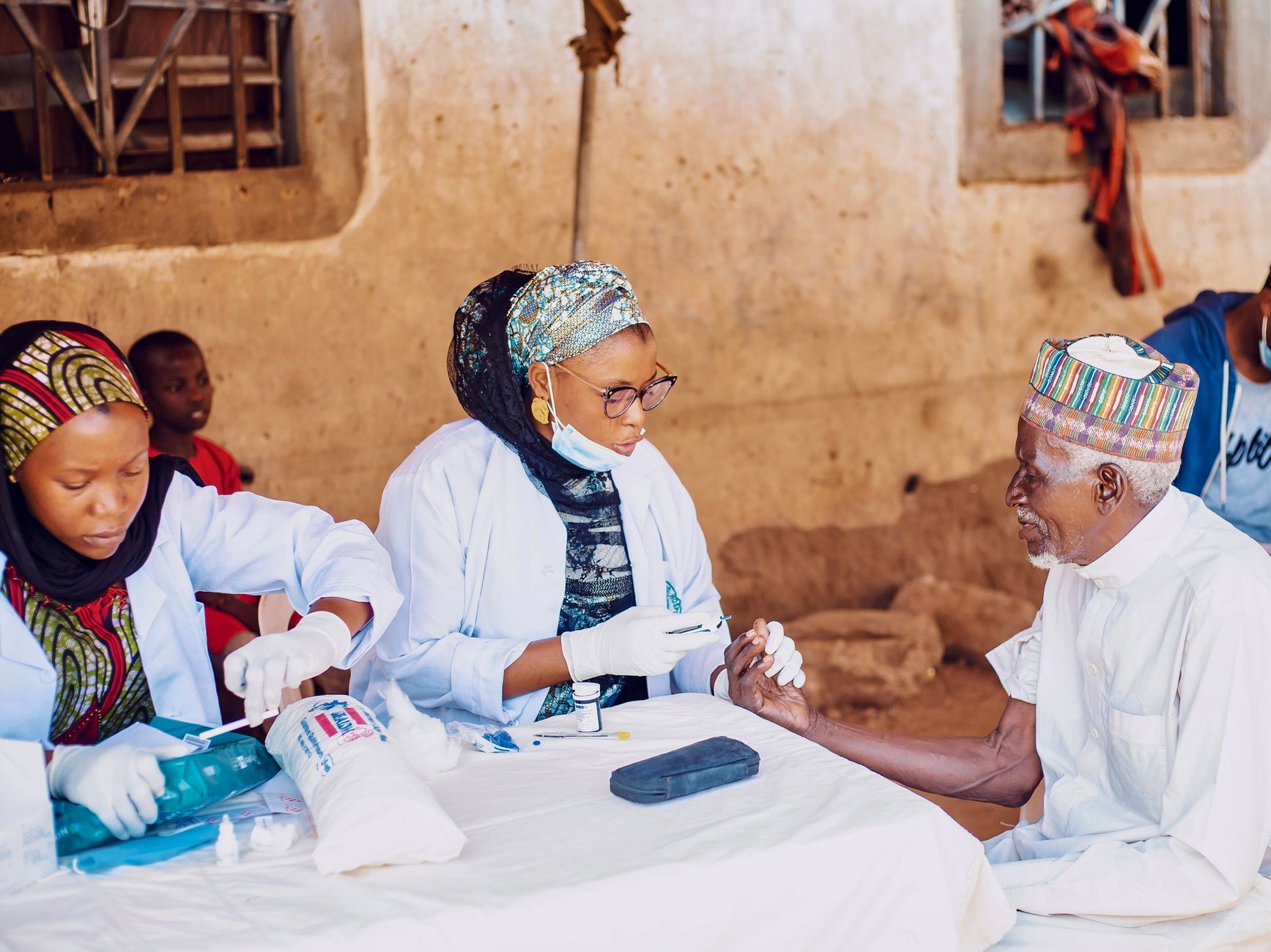
Motul India, the Indian subsidiary of the French lubricants and automotive fluids manufacturer, has substantially expanded its corporate social responsibility efforts in the healthcare sector through its Sehat Ki Samriddhi initiative. The program has now reached 108 health camps spanning 27 districts across India, marking a significant commitment to improving healthcare accessibility in underserved regions.
Understanding the Sehat Ki Samriddhi Initiative
The Sehat Ki Samriddhi initiative, which translates to "Prosperity of Health" in English, represents a targeted effort to address healthcare gaps in communities that often lack adequate medical facilities and services. Such corporate-led health initiatives have become increasingly important in India, where disparities in healthcare access between urban and rural areas remain significant.
Health camps typically provide a range of basic medical services including general health check-ups, diagnostic tests, distribution of medicines, and health awareness programs. These camps serve as crucial touchpoints for populations who may not have easy access to hospitals or clinics due to geographical, economic, or social barriers.
The Scale and Impact of 108 Health Camps
The number 108 holds special significance in Indian culture and is also the national emergency response number in India. By organizing 108 health camps, Motul India has created a network of healthcare interventions spread across 27 districts, ensuring geographical diversity in its outreach efforts.
The scale of this initiative suggests a comprehensive approach to community health that goes beyond token corporate social responsibility activities. Covering multiple districts allows the program to reach diverse populations with varying health challenges and needs, from industrial areas to rural communities.
Services Typically Offered at Corporate Health Camps
While specific details of services vary by location and community needs, corporate health camps generally include:
- Basic health screenings including blood pressure, blood sugar, and body mass index measurements
- Diagnostic services such as blood tests and general pathological investigations
- Consultations with qualified medical professionals including general physicians and specialists
- Distribution of essential medicines and supplements
- Health education sessions on nutrition, hygiene, and disease prevention
- Vision and dental check-ups when possible
- Referral services for patients requiring advanced treatment
The Growing Role of Corporate Health Initiatives
Corporate involvement in healthcare delivery has become an essential component of India's healthcare ecosystem. Companies across sectors have recognized that investing in community health not only fulfills their social responsibilities but also contributes to building healthier, more productive communities in the regions where they operate.
For automotive and industrial companies like Motul India, such initiatives also help build stronger relationships with local communities, including their workforce, customers, and stakeholders. These programs demonstrate a commitment to holistic development beyond business operations.
Healthcare Accessibility Challenges in India
Despite significant progress in healthcare infrastructure over recent decades, India continues to face challenges in ensuring universal healthcare access. Rural areas particularly struggle with shortages of medical facilities, qualified healthcare professionals, and diagnostic equipment. Even in urban and semi-urban areas, economically disadvantaged populations often cannot afford regular health check-ups or preventive care.
Health camps help bridge this gap by bringing services directly to communities, eliminating travel barriers and costs, and often providing free or subsidized services. Early detection of health conditions through such camps can prevent complications and reduce the burden on tertiary healthcare facilities.
Sustainability and Future of Corporate Health Programs
The expansion of the Sehat Ki Samriddhi initiative to 108 camps indicates a long-term commitment rather than a one-time effort. Sustainable corporate health programs typically include regular follow-ups, partnership with local health authorities, and integration with government health schemes to ensure continuity of care.
As more corporations recognize the value of investing in community health, such initiatives may become increasingly sophisticated, potentially incorporating digital health solutions, telemedicine, and comprehensive health record systems to maximize impact.
The success of programs like Sehat Ki Samriddhi could also inspire other companies to develop similar initiatives, creating a multiplier effect in addressing India's healthcare challenges through public-private collaboration.