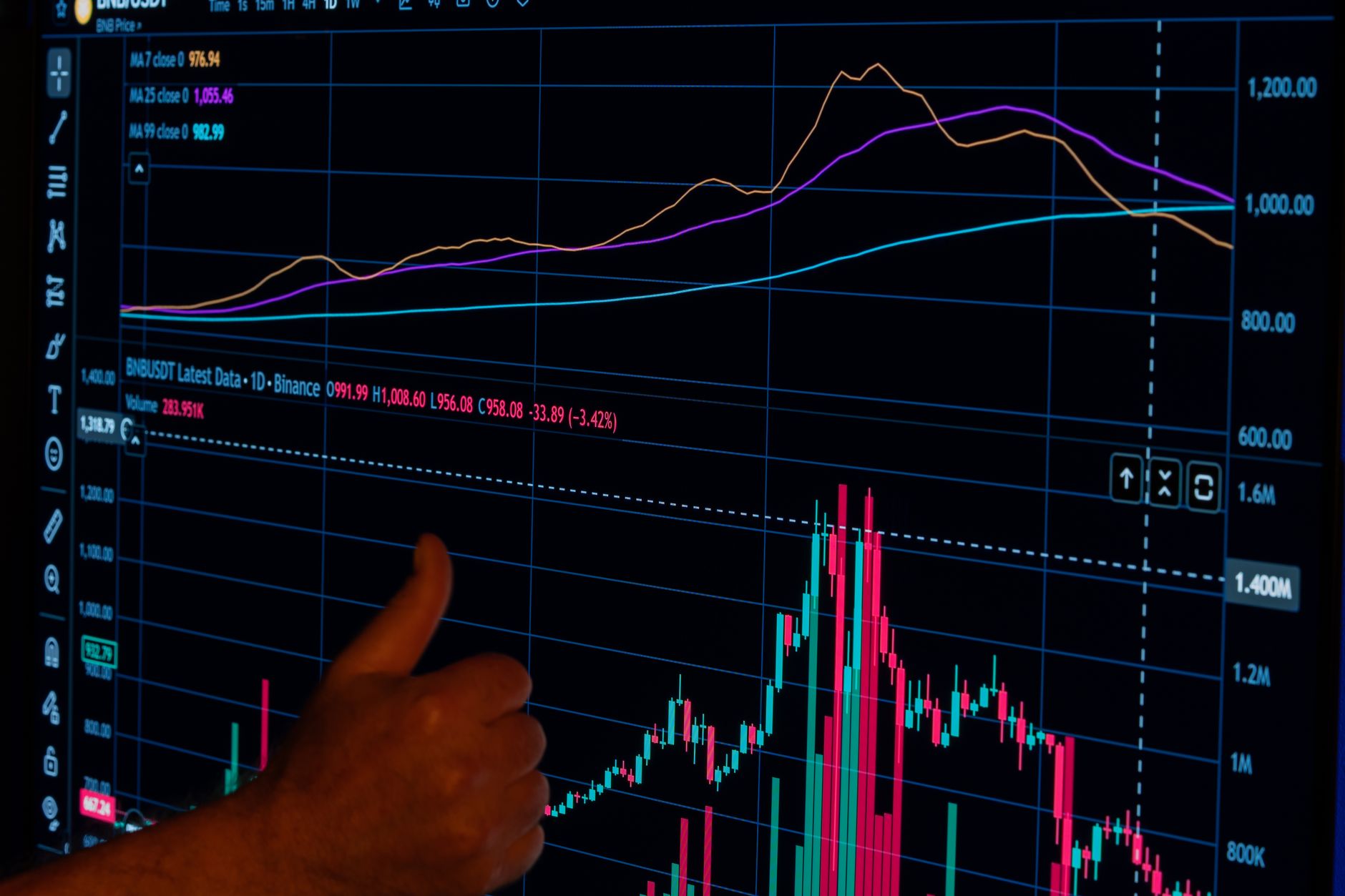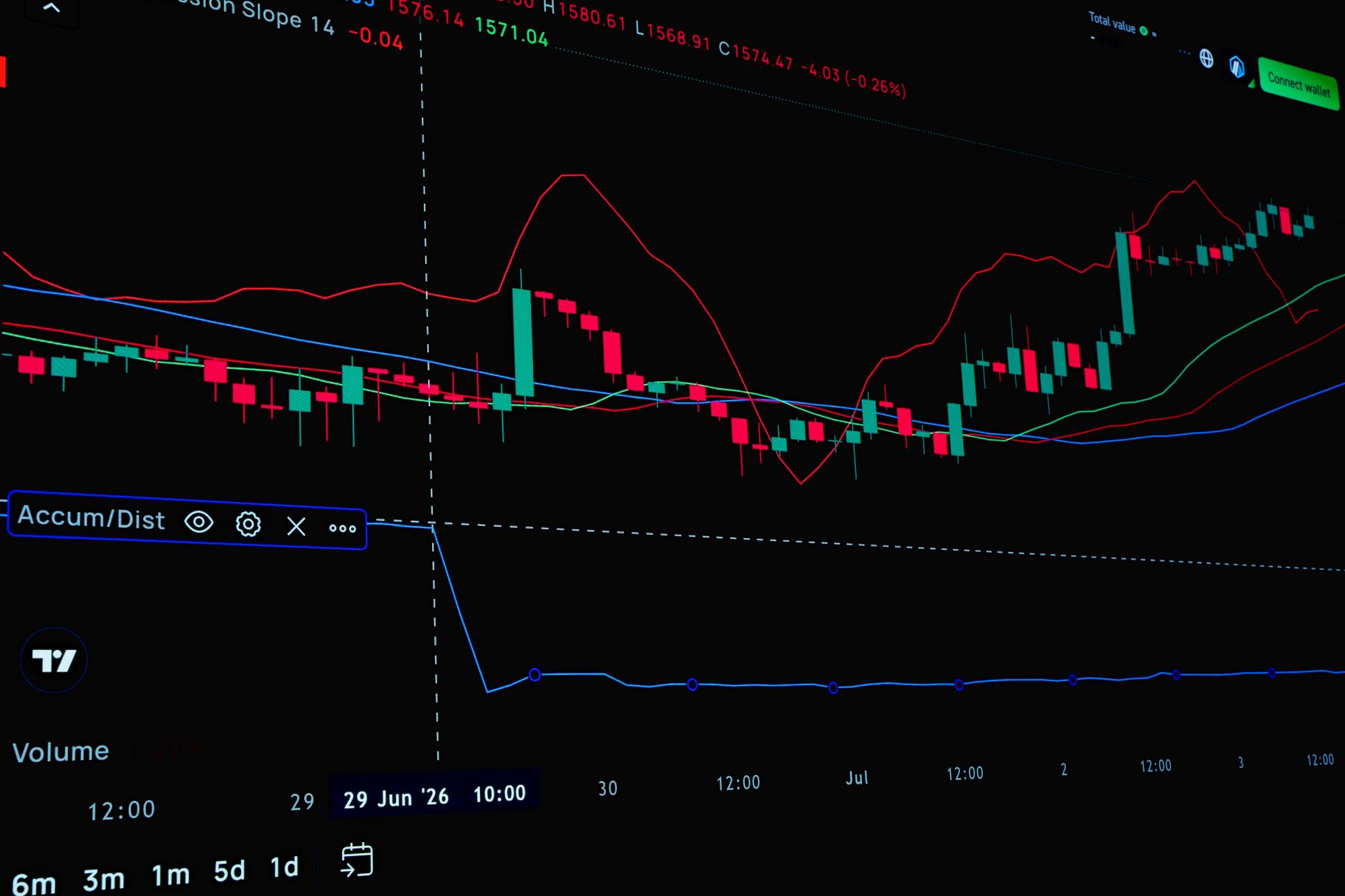
India's equity markets have demonstrated remarkable resilience over the past few years, and fresh projections suggest this upward trajectory may continue. According to recent expert analysis, the Nifty 50 index could scale new peaks by the end of 2026, presenting both opportunities and considerations for investors planning their portfolio strategies.
Understanding the Nifty 50 Forecast
The Nifty 50 represents India's top 50 companies by market capitalization across various sectors, serving as a key barometer of the country's economic health. When market veterans predict new highs, they typically base their analysis on multiple factors including GDP growth projections, corporate earnings trends, foreign investment flows, and global economic conditions.
For context, the Indian economy has been growing at one of the fastest rates among major economies, supported by infrastructure development, digital transformation, manufacturing initiatives, and a growing consumer base. These macro tailwinds create a supportive environment for equity market appreciation.
Key Drivers Behind the Optimistic Outlook
Several fundamental factors support the positive outlook for Indian equities over the next few years:
- Strong domestic consumption driven by rising income levels and demographic advantages
- Government focus on infrastructure spending and capital expenditure
- Corporate earnings recovery and margin expansion across sectors
- India's positioning as an alternative manufacturing hub amid global supply chain diversification
- Steady foreign institutional investment as India gains prominence in global indices
- Banking sector strength and credit growth supporting economic expansion
What This Means for Different Types of Investors
The projection of new highs by 2026 has different implications depending on your investment profile and time horizon.
For long-term investors with a horizon of three years or more, such forecasts reinforce the case for maintaining equity exposure through systematic investment plans or lump-sum investments. The Indian market has historically rewarded patient investors who stay invested through market cycles.
For those approaching retirement or with shorter time horizons, a balanced approach becomes crucial. Even if markets are expected to reach new highs eventually, the path may involve volatility and interim corrections. Diversification across asset classes remains essential.
Managing Expectations and Market Volatility
While expert forecasts provide valuable perspective, it's important to remember that markets rarely move in straight lines. The journey to new highs typically involves:
- Short-term corrections and profit-booking phases
- Sector rotation where different industries outperform at different times
- Impact of global events including geopolitical tensions, commodity price swings, and monetary policy changes
- Domestic factors such as monsoon patterns, inflation trends, and policy announcements
Investors should prepare mentally and financially for volatility rather than expecting uninterrupted gains.
Practical Steps for Investors
If you're considering how to position your portfolio given this optimistic outlook, here are some practical approaches:
- Continue systematic investments through SIPs to benefit from rupee cost averaging
- Maintain adequate diversification across market capitalizations and sectors
- Keep an emergency fund separate from equity investments
- Review your asset allocation periodically to ensure it matches your risk tolerance
- Avoid timing the market based solely on expert predictions
- Consider using index funds or ETFs for broad market exposure to benefit from overall growth
The Importance of Individual Financial Planning
Expert market forecasts, while informative, should not be the sole basis for investment decisions. Your personal financial goals, risk appetite, investment timeline, and existing portfolio composition matter more than any single market prediction.
A 25-year-old beginning their investment journey has very different needs compared to a 55-year-old planning for retirement, even if both are considering the same market forecast. Working with a financial advisor to create a customized plan aligned with your specific circumstances often yields better outcomes than chasing market predictions.
Looking Beyond the Headline
Market predictions generate excitement, but successful investing typically comes from disciplined execution of a well-thought-out plan rather than reacting to forecasts. Whether the Nifty 50 reaches new highs in 2026, 2027, or faces interim challenges, the fundamental principles of diversification, regular investing, and alignment with personal goals remain constant.
This article provides general information about market trends and investment considerations. It should not be construed as personalized investment advice. Market investments carry inherent risks, and past performance does not guarantee future results. Readers should consult with qualified financial advisors before making investment decisions based on their individual financial situation, goals, and risk tolerance.