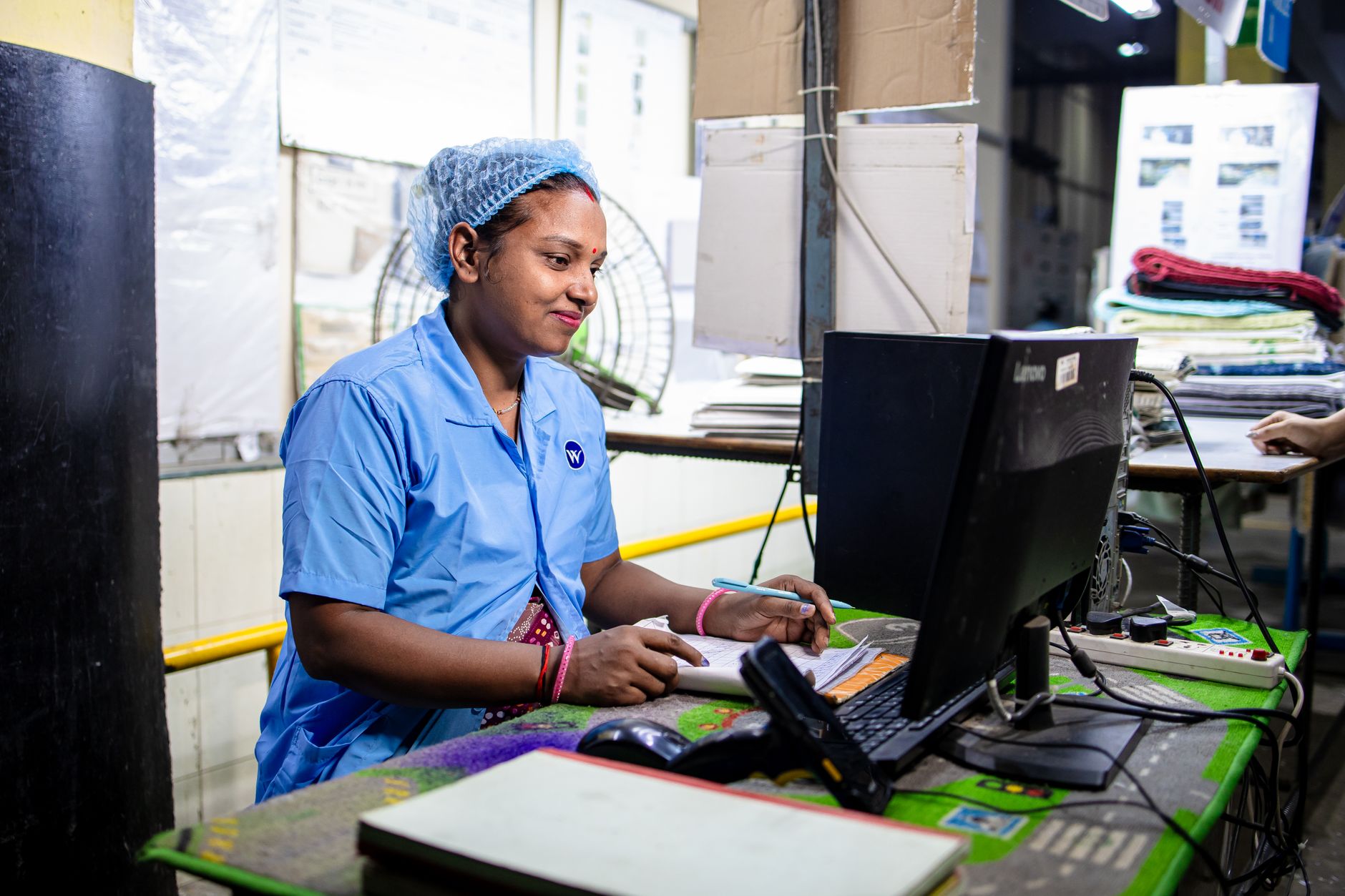
India's employment story is witnessing a remarkable shift as cities beyond the traditional metros of Mumbai, Delhi, Bangalore, and Kolkata emerge as vibrant job markets. Places like Visakhapatnam, Surat, Coimbatore, Indore, and Jaipur are no longer just satellite towns but major employment hubs in their own right, attracting talent and investment at unprecedented rates.
The Rise of Tier-2 and Tier-3 Cities
The transformation of non-metro cities into employment powerhouses reflects multiple converging factors. Improved infrastructure, lower operational costs, government incentives, and better quality of life compared to overcrowded metros have made these cities attractive to both employers and employees. Many professionals are now choosing to work in cities closer to their hometowns, reversing the decades-old trend of migration to major urban centers.
Manufacturing and industrial growth has been particularly strong in these regions. Cities like Surat have long been industrial centers, but recent years have seen diversification beyond traditional sectors. The government's focus on industrial corridors, special economic zones, and manufacturing initiatives has channeled investment into these areas, creating thousands of jobs across skill levels.
Sectors Driving Growth
The technology and IT services sector has been a major contributor to this shift. Companies are establishing offices and development centers in cities with strong educational institutions and lower real estate costs. Visakhapatnam, for instance, has attracted significant IT investment, while cities like Indore and Chandigarh have seen the emergence of thriving startup ecosystems.
Manufacturing continues to be a backbone of employment in many non-metro cities. Automotive components, textiles, pharmaceuticals, and food processing industries have expanded their footprint across Tier-2 cities. The proximity to raw materials, availability of land, and supportive state policies have made these locations ideal for manufacturing operations.
The retail and e-commerce boom has also contributed substantially. As consumption grows in smaller cities, companies are establishing distribution centers, fulfillment facilities, and retail outlets, creating jobs in logistics, sales, and customer service. Healthcare and education sectors have similarly expanded, with new hospitals, diagnostic centers, and educational institutions opening across these cities.
Advantages for Employers
Companies benefit from significantly lower operational costs in non-metro locations. Real estate expenses, both for office space and employee accommodation, are substantially lower than in metros. Attrition rates tend to be lower as employees often work in or near their home cities, reducing the personal and financial stress of relocation.
The talent pool in these cities has improved dramatically. Local engineering colleges, management institutes, and vocational training centers produce skilled graduates who prefer local employment opportunities. Additionally, many professionals who migrated to metros for work are now returning to their hometowns, bringing valuable experience back to these markets.
Employee Perspective
For job seekers, non-metro cities offer an attractive value proposition. Salaries, while sometimes lower than metro equivalents, provide better purchasing power given the lower cost of living. Housing is more affordable, commute times are shorter, and the overall quality of life is often superior with less pollution and congestion.
The work-life balance in these cities is frequently cited as a major advantage. Professionals can maintain closer family ties, enjoy lower stress levels, and have more disposable income after accounting for living expenses. This has become particularly appealing to young professionals starting families.
Challenges and Opportunities
Despite the positive trends, challenges remain. Infrastructure development, while improving, still lags behind metros in many areas. Access to specialized services, cultural amenities, and international connectivity can be limited. However, these gaps are narrowing as investments pour into these regions.
The startup ecosystem in non-metros, though growing, needs further support. Access to venture capital, mentorship networks, and skilled talent pools for niche technologies remains more difficult than in established startup hubs. Nevertheless, government initiatives and angel investor networks are gradually addressing these gaps.
Future Outlook
The trend toward job creation in non-metro cities appears sustainable and likely to accelerate. As remote and hybrid work models become normalized, the necessity of concentrating jobs in specific geographic locations diminishes. Companies can tap talent wherever it exists, and employees can choose locations based on lifestyle preferences rather than job availability alone.
The continued development of industrial corridors, improvements in digital infrastructure, and state-level policy innovations will further strengthen these cities as employment destinations. This geographic diversification of economic opportunity has positive implications for balanced regional development and could help address some of the social and environmental challenges associated with excessive urban concentration.
As India's economy continues to grow, the success of non-metro cities in attracting investment and creating jobs represents a maturing and more inclusive employment landscape that benefits employers, employees, and the broader economy.