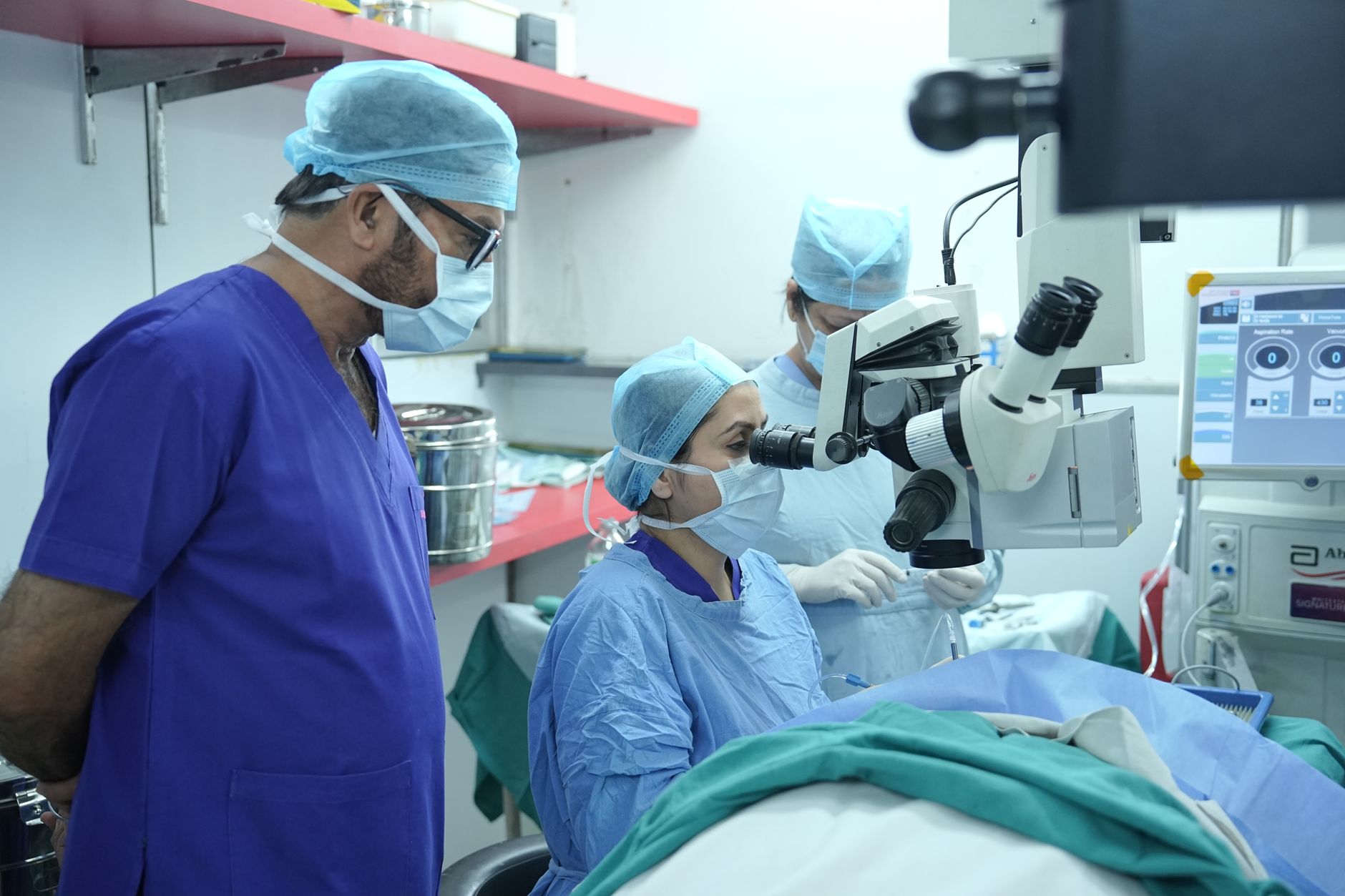
India's healthcare landscape is witnessing a troubling phenomenon that operates in the shadows of medical care: overdiagnosis. While underdiagnosis has long been recognized as a critical issue in resource-limited settings, the opposite problem—identifying conditions that would never have caused symptoms or harm—is emerging as a significant concern across Indian hospitals and diagnostic centers.
Understanding Overdiagnosis
Overdiagnosis occurs when medical testing identifies abnormalities or conditions that, if left undetected, would never have caused symptoms or shortened a person's life. Unlike misdiagnosis, where a wrong condition is identified, overdiagnosis means finding something real but clinically irrelevant. The patient receives a genuine diagnosis but undergoes treatment they never actually needed.
This phenomenon has become increasingly common with the proliferation of advanced imaging technologies, expanded screening programs, and the commercialization of healthcare. A routine health checkup can trigger a cascade of tests, each potentially identifying minor abnormalities that lead to further investigation and intervention.
The Drivers of Excessive Testing in India
Several factors contribute to the overdiagnosis epidemic in the Indian context. The rapid growth of private healthcare has created a business model where diagnostic tests generate significant revenue. Many hospitals and diagnostic chains operate on a profit-driven basis, incentivizing the prescription of comprehensive test panels even when not medically warranted.
The rise of preventive health packages has also played a role. While prevention is valuable, many packages include tests with questionable benefit for asymptomatic individuals. A healthy 30-year-old might undergo cardiac CT scans or tumor marker tests that have high false-positive rates in low-risk populations.
Additionally, defensive medicine practices are on the rise. Doctors, concerned about litigation or patient complaints, often order extensive tests to cover all possibilities rather than relying on clinical judgment. The availability of insurance coverage for diagnostics further removes the natural brake of out-of-pocket costs that might otherwise limit unnecessary testing.
Common Areas of Overdiagnosis
Thyroid disorders represent one of the most significant areas of overdiagnosis in India. The widespread use of ultrasound has led to the detection of tiny thyroid nodules in a large percentage of the population. Most of these nodules are benign and would never cause problems, yet their discovery often leads to repeated imaging, biopsies, and sometimes surgery.
Cancer screening presents another challenge. While certain screenings like mammography and cervical cancer screening have proven benefits, their indiscriminate use without considering individual risk factors can lead to overdetection. Small, slow-growing cancers that might never have progressed are treated aggressively, exposing patients to surgical risks, radiation, and chemotherapy side effects.
Vitamin D deficiency has become another overdiagnosed condition. The widespread testing of vitamin D levels and subsequent supplementation often occurs without clear clinical indication, despite limited evidence that treating asymptomatic low levels provides significant health benefits.
The Consequences for Patients
The harms of overdiagnosis extend beyond unnecessary financial burden, though costs are certainly significant. Patients diagnosed with conditions they don't meaningfully have often experience psychological distress, living with disease labels that alter their self-perception and quality of life.
Medical interventions carry inherent risks. Biopsies can cause complications, medications have side effects, and surgeries involve anesthesia risks and recovery periods. When these interventions address problems that would never have caused harm, patients experience only downsides with no actual benefit.
The label of disease can also affect employment prospects, insurance coverage, and family relationships. A diagnosis of a chronic condition, even if overdiagnosed, can follow someone throughout their life.
Finding the Balance
Addressing overdiagnosis requires systemic changes. Healthcare providers need better education about the limitations of diagnostic tests and the natural history of conditions. Clinical guidelines should be based on robust evidence rather than theoretical benefits.
Patients also bear responsibility in this equation. The belief that more testing equals better care needs to be challenged. Learning to ask critical questions before agreeing to tests—What will you do differently based on the results? What are the risks of testing? What happens if we don't test?—can help individuals make informed decisions.
Regulatory oversight of diagnostic services and healthcare advertising could help curb the aggressive marketing of unnecessary tests. Insurance companies might also play a role by covering only evidence-based screening appropriate to individual risk profiles.
Moving Forward
India's healthcare system must find equilibrium between detecting genuine disease and avoiding the harms of overdiagnosis. This requires honest conversations between doctors and patients, reform of perverse financial incentives, and a cultural shift away from the assumption that medical intervention is always beneficial.
This article is for general information purposes only and should not be considered medical advice. Always consult qualified healthcare professionals for decisions about your personal health and medical care.