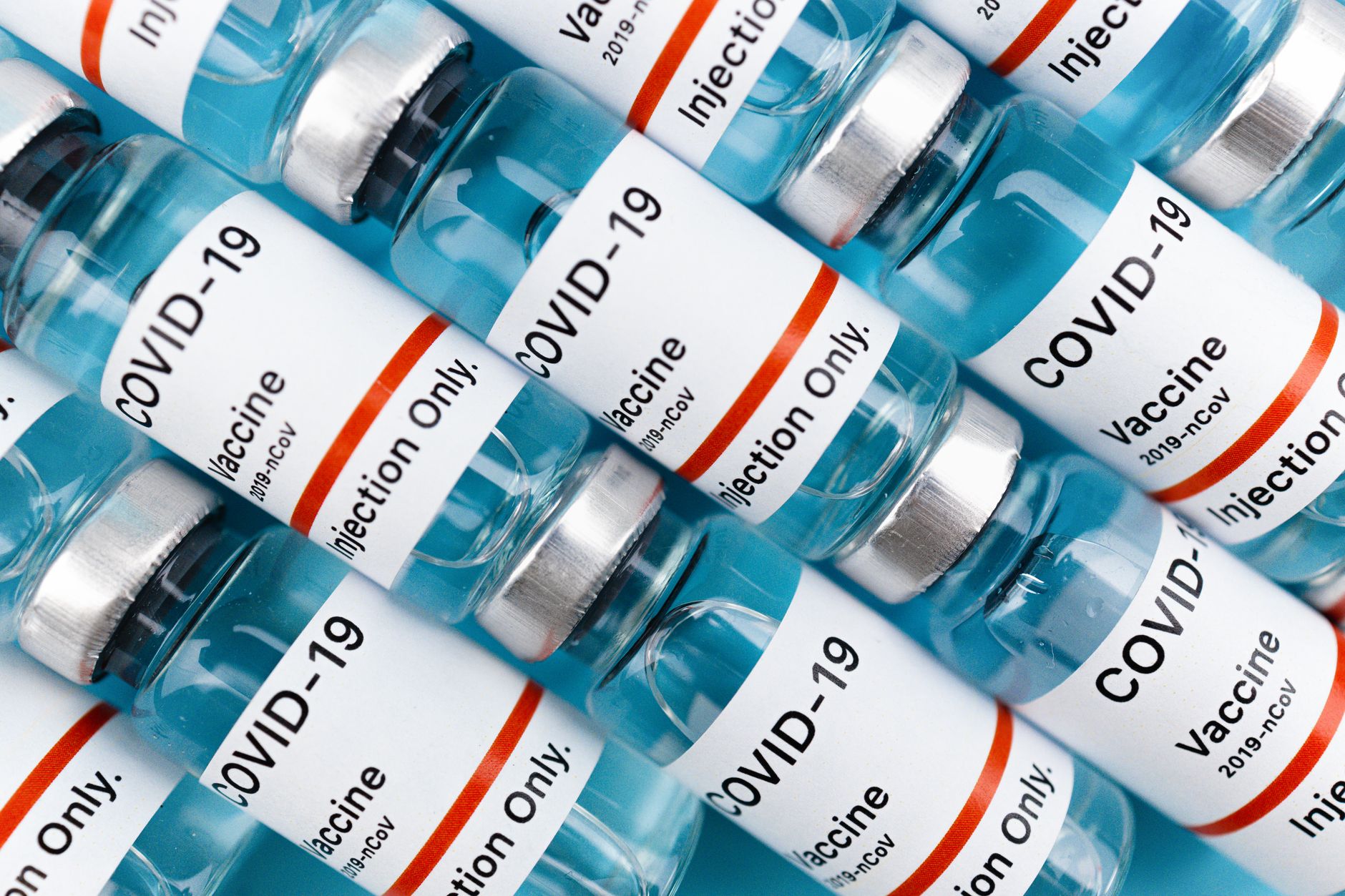
India's drug regulator has approved QDENGA, a novel dengue vaccine, marking a significant milestone in the country's fight against one of its most persistent mosquito-borne diseases. This approval introduces a new tool in combating dengue, which affects hundreds of thousands of Indians each year and places considerable strain on the healthcare system.
Understanding the Dengue Challenge in India
Dengue fever has become a major public health concern across India, with cases surging particularly during monsoon seasons. The disease, transmitted by Aedes mosquitoes, can range from mild fever to severe dengue hemorrhagic fever, which can be life-threatening. India reports lakhs of dengue cases annually, though experts believe actual numbers are significantly higher due to underreporting and misdiagnosis.
The absence of specific antiviral treatment for dengue has meant that prevention and supportive care remain the primary approaches. Traditional prevention has focused on mosquito control measures and public awareness campaigns, with limited success in breaking transmission cycles.
What Makes QDENGA Different
QDENGA, developed by Takeda Pharmaceutical Company, is a live-attenuated tetravalent dengue vaccine. Unlike earlier vaccines, it is designed to protect against all four dengue virus serotypes (DENV-1, DENV-2, DENV-3, and DENV-4). This comprehensive coverage is crucial because infection with one serotype does not provide immunity against others and can sometimes increase the risk of severe disease upon subsequent infection with a different serotype.
The vaccine works by stimulating the immune system to produce antibodies against all four dengue strains, potentially offering broader protection than natural infection. Clinical trials have demonstrated its ability to reduce dengue cases and hospitalizations across diverse populations in dengue-endemic regions.
How This Vaccine Differs from Previous Approaches
India previously had access to another dengue vaccine, but its use was restricted to individuals with confirmed prior dengue infection due to safety concerns about increased disease severity in dengue-naive individuals. QDENGA's approval represents a shift because it can be administered to individuals regardless of previous dengue exposure, potentially widening its applicability in public health programs.
The vaccine is administered as a two-dose series, with doses given three months apart. This schedule makes it more practical for implementation in routine immunization programs compared to more complex regimens.
Target Population and Rollout Expectations
While specific guidelines for India's rollout are still being finalized, the vaccine is generally indicated for individuals aged 4 to 60 years living in dengue-endemic areas. This age range covers children, adolescents, and adults who face regular dengue exposure.
The prioritization strategy will likely focus on high-burden states and urban areas where dengue transmission is most intense. States like Delhi, Maharashtra, Tamil Nadu, Karnataka, and West Bengal, which consistently report high dengue incidence, may be early targets for vaccine introduction.
Impact on Public Health Strategy
QDENGA's approval doesn't eliminate the need for mosquito control and environmental management, but it adds a complementary layer of protection. Public health experts envision an integrated approach combining vaccination with traditional vector control measures, community engagement, and improved disease surveillance.
The vaccine could be particularly valuable for protecting vulnerable populations, including children and individuals with comorbidities who face higher risks of severe dengue. However, its ultimate impact will depend on accessibility, affordability, and public acceptance.
Challenges Ahead
Several challenges remain before QDENGA becomes widely available. Cost considerations are significant, as dengue vaccines are relatively expensive compared to many routine immunizations. Government subsidies or tiered pricing may be necessary to ensure equitable access.
Additionally, healthcare infrastructure for cold chain maintenance and vaccine delivery needs strengthening in many regions. Public awareness campaigns will be essential to educate communities about the vaccine's benefits and safety profile, particularly given varying levels of health literacy across different populations.
Monitoring post-approval safety and effectiveness in India's diverse epidemiological context will also be crucial for refining vaccination strategies and maintaining public confidence.
Looking Forward
The approval of QDENGA represents a promising development in India's dengue control efforts. While not a silver bullet, it provides a valuable new tool that, when combined with comprehensive mosquito control and improved healthcare access, could significantly reduce dengue's burden on Indian families and the healthcare system.
As implementation plans take shape, coordination between central and state health authorities, healthcare providers, and communities will determine how effectively this vaccine translates from regulatory approval to real-world impact.
This article is for general informational purposes only and should not replace professional medical advice. Consult qualified healthcare providers for personalized guidance regarding dengue vaccination and prevention strategies appropriate for your specific situation.